
Oct . 31, 2024 18:34 Back to list
Exploring the Applications and Benefits of Hydroxypropyl Methyl Cellulose in Various Industries
Hydroxypropyl Methylcellulose A Versatile Polymer with Diverse Applications
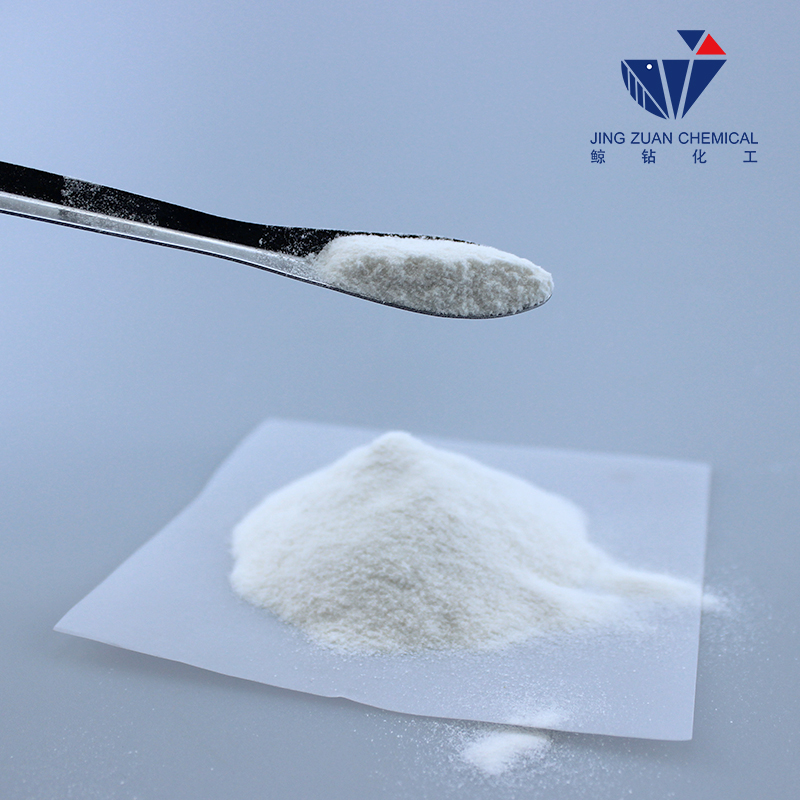
Hydroxypropyl methylcellulose (HPMC) is a synthetic polymer derived from cellulose, a natural polymer obtained from plant cell walls. It is a white, odorless powder that is soluble in water, making it an essential ingredient in numerous industries due to its unique physical and chemical properties. HPMC is particularly valued for its ability to act as a thickening agent, emulsifier, film-forming agent, and stabilizer.
Hydroxypropyl Methylcellulose A Versatile Polymer with Diverse Applications
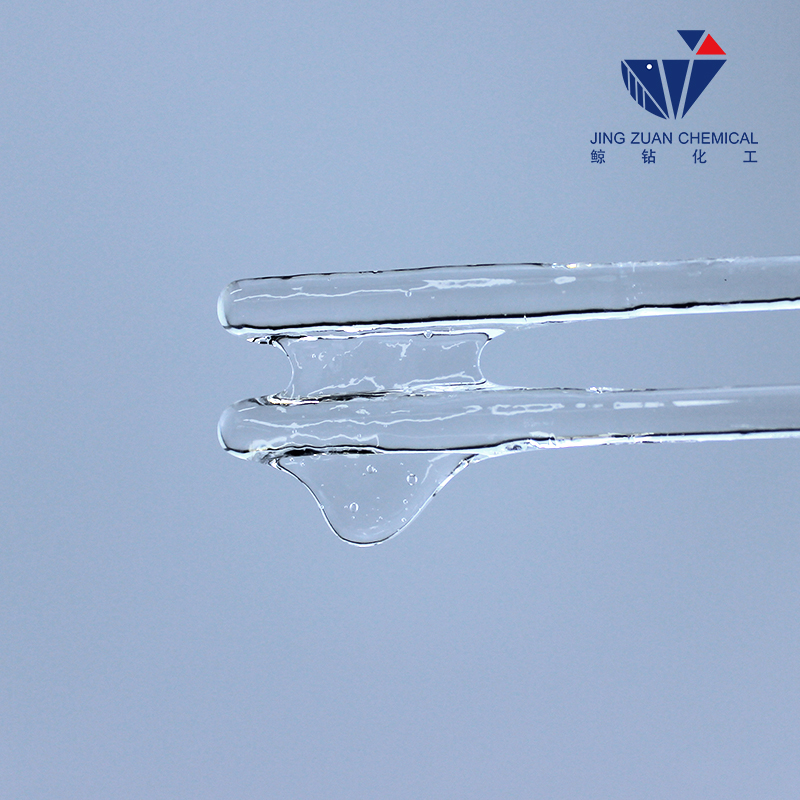
In the pharmaceutical industry, HPMC is widely used as an excipient in drug formulations. Its ability to form gels and control the release of active ingredients makes it a popular choice for both oral and topical medications. In controlled-release formulations, HPMC is utilized to regulate the release rate of drugs, ensuring that they are released at a consistent pace over time. This property not only enhances the therapeutic efficacy of medications but also improves patient compliance by reducing the frequency of dosing.
hydroxypropyl methyl cellulose

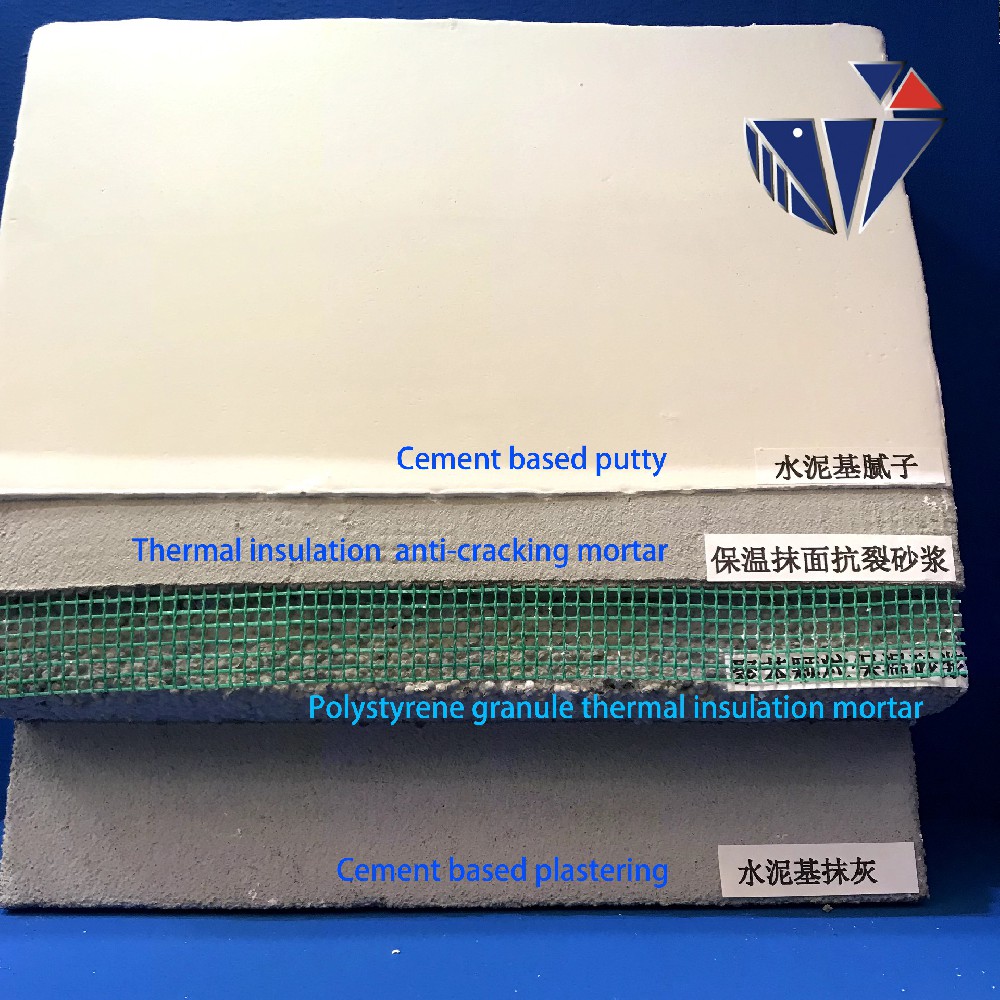
HPMC’s thickening and binding properties also make it invaluable in the construction industry. It is often added to cementitious materials, such as tile adhesives and grouts, to improve workability and adhesion. The polymer helps to retain water in the mixture, which is crucial for the hydration process of cement. Additionally, HPMC can improve the open time of adhesives, giving workers more time to adjust tiles before the adhesive sets.
Moreover, HPMC is employed in personal care products such as lotions, creams, and shampoos. Its emollient properties help improve the texture and spreadability of these products, providing a smooth application. Being a non-toxic and biodegradable polymer, HPMC is also favored in eco-friendly formulations.
Furthermore, HPMC has found applications in the cosmetic industry, where it acts as a film-former and thickener in formulations like mascaras and hair gels. Its ability to create a lasting hold without a stiff finish is particularly sought after in these products.
In conclusion, hydroxypropyl methylcellulose is a versatile polymer with a wide range of applications across various industries. From enhancing the texture of food products to serving as a critical component in pharmaceuticals and personal care products, HPMC plays a vital role in improving the quality and performance of a multitude of formulations. As industries continue to seek sustainable and efficient solutions, the significance of HPMC is expected to grow even further, making it a polymer worth watching in the years to come.
-
Understanding Hydroxypropyl Methyl Cellulose MSDS Safety and Compliance
NewsApr.16,2026
-
Understanding the Hydroxypropyl Methyl Cellulose HS Code for Global Trade
NewsApr.09,2026
-
Comprehensive Guide to Hydroxypropyl Methyl Cellulose CAS Number and Applications
NewsApr.07,2026
-
Comprehensive Guide to Hydroxypropyl Methyl Cellulose cas no and its Diverse Applications
NewsApr.04,2026
-
Comprehensive Guide to Hydroxypropyl Methyl Cellulose Manufacturers and Applications
NewsMar.31,2026
-
Understanding Hydroxypropyl Methyl Cellulose Properties And Diverse Applications
NewsMar.28,2026