
Dec . 14, 2025 02:25 Back to list
Leading HPMC Distributor - Quality Hydroxypropyl Methylcellulose Supply & Support
Understanding the Role of an HPMC Distributor in Modern Industries
When you hear “HPMC distributor,” it might sound like just another niche supplier in the vast chemical supply chain. But in reality, these distributors form a crucial link in sectors ranging from pharmaceuticals to construction materials worldwide. Hydroxypropyl Methylcellulose (HPMC) isn’t just a chemical name—it’s a versatile additive that improves product stability, texture, and durability. Knowing how HPMC distributors operate and their global significance gives you a clearer picture of supply reliability and industry innovation, especially in fast-changing markets.
Mini takeaway: HPMC distributors are more than middlemen; they ensure consistent quality and availability for industries that rely heavily on this versatile polymer.
The Global Relevance of HPMC Distribution
HPMC's global market size is expanding, expected to surpass USD 1.7 billion by 2027, according to various market research reports. Why? Because HPMC is found in everything from tablet coatings for safe drug delivery to protecting wall surfaces in sustainable building projects. The ISO standards even acknowledge HPMC as a key ingredient for green construction and pharmaceutical safety. Yet, an ongoing challenge is supply chain volatility—especially during crises like pandemics or trade disruptions—that threatens uninterrupted access.
In developing regions, reliable access to quality HPMC separates finished-product success from costly failure. Hence, having a trusted hpmc distributor who navigates logistics smoothly is absolutely essential.
Defining HPMC Distributor: What’s in a Name?
Simply put, an HPMC distributor sources, stocks, and supplies hydroxypropyl methylcellulose to manufacturers who transform it into final products. This might be a pharmaceutical company needing precise polymer grades for tablet film coatings or a construction firm sourcing HPMC for plasters and tile adhesives. The distributor acts as a bridge — sourcing from chemical manufacturers and making it available locally or regionally, often providing technical support on product use.
Without these distributors, modern industries would face serious delays and inconsistencies that ripple through production chains. So, it's fair to say they're unsung heroes ensuring product integrity on a global scale.
Key Factors Defining an Effective HPMC Distributor
1. Product Quality & Certification
Not all HPMC is created equally. High-grade pharmaceutical HPMC demands rigorous purity and compliance with FDA or European Pharmacopeia standards. A dependable distributor makes sure all products are fully certified and batch-tested. That reduces risks and helps manufacturers meet regulatory and safety benchmarks.
2. Supply Chain Reliability
In the world of chemical distribution, “just-in-time” delivery is more than a buzzword. Manufacturers often work on tight production schedules, and delays can cost millions. Reputable distributors maintain adequate stock levels and have contingency plans for unexpected disruptions.
3. Technical Support & Customer Service
Many industries require guidance on optimum HPMC grades and how to adjust formulations. Distributors who provide hands-on technical support—either through application labs or expert consultations—add tremendous value beyond mere sales.
4. Customization & Packaging Options
From bulk sacks for large factories to smaller, specialized packaging for R&D labs, flexibility in packaging improves handling and storage. Some distributors also offer custom molecular weight or viscosity options tailored to specific client needs.
5. Competitive Pricing & Transparency
Pricing fluctuates with raw material costs and shipping tariffs. Transparent pricing models, combined with value-added services, often distinguish top-tier distributors from the rest.
Real-World Applications: Where HPMC Distributors Make a Difference
You’ll find HPMC in some surprising places. Here are a few contexts where distributors’ roles are especially pronounced:
- Pharmaceutical Industry: Tablet coatings and controlled release drugs depend heavily on high-grade HPMC. Regions like India and China lead in pharmaceutical manufacturing, fueling demand.
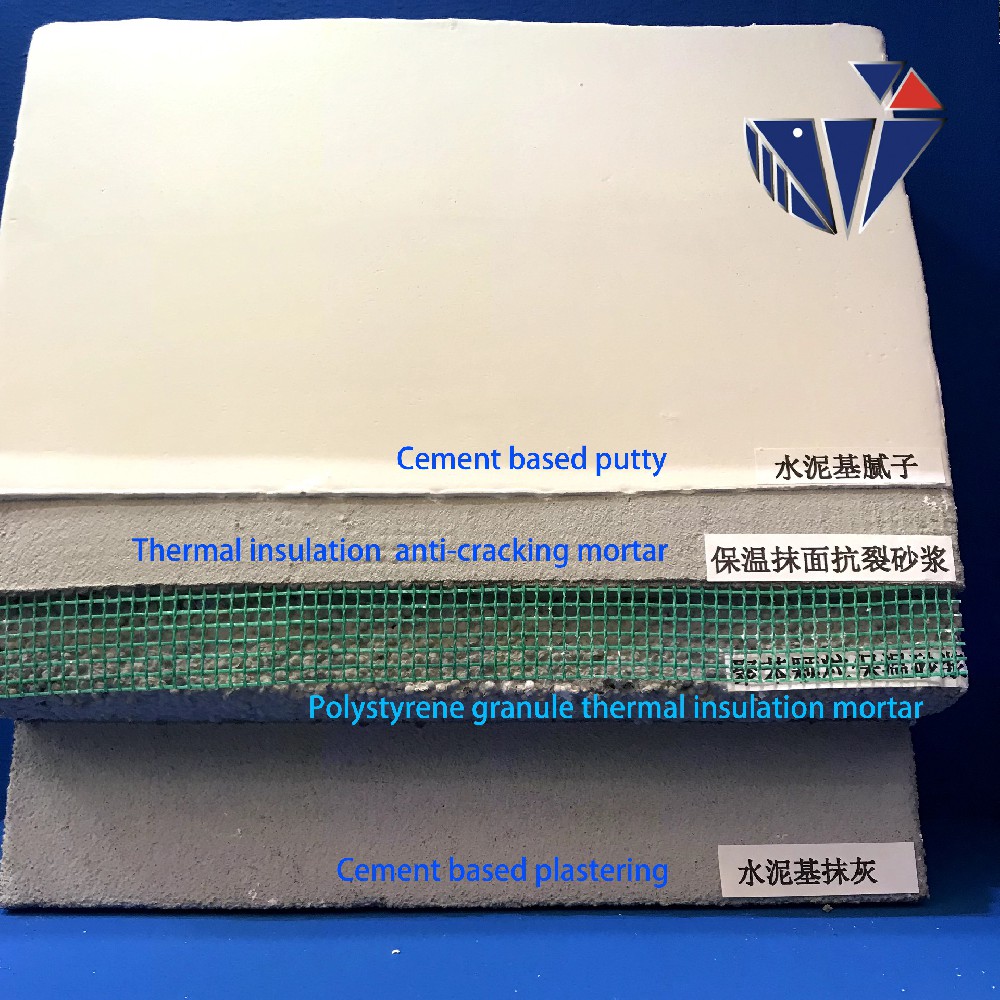
- Construction Sector: Dry-mix mortar, tile adhesives, and plastering compounds use HPMC to improve water retention and workability. In Europe and North America, sustainable building trends increasingly prioritize such additives.
- Food & Cosmetics: As a thickening and stabilizing agent, HPMC features in gluten-free foods and lotions, especially in markets sensitive to allergens.
- Post-Disaster Relief Projects: In remote or disaster-hit areas, packaged construction materials containing HPMC improve durability and ease rapid rebuilding efforts.
Mini takeaway: A skilled hpmc distributor adapts their offerings depending on the sector and local demand, often influencing product success more than one might think.
Advantages of Partnering with a Trusted HPMC Distributor
- Cost Effectiveness: Bulk procurement and logistics expertise translate into savings passed downstream.
- Product Sustainability: Distributors often source eco-friendly grades complying with stringent regulations on volatile organic compounds (VOCs).
- Quality Assurance: Rigorous QC processes minimize risk of contamination and product failure.
- Social Impact: Reliable supply chains empower manufacturers in developing economies, fostering local economies and employment.
- Innovation Support: Technical knowledge sharing drives formulation improvements and product differentiation.
Where the Industry Is Headed: Future Trends in HPMC Distribution
Oddly enough, as industries digitize and green energy trends grow, chemical distribution isn’t left behind. We’re seeing these shifts:
- Automation: Smart warehouse management and AI-based demand forecasting improve responsiveness.
- Eco-conscious sourcing: Renewably sourced cellulose and biodegradable packaging materials.
- Custom Formulation Services: Distributors offer tailored blends optimized with digital support tools to cut R&D cycles.
- Global e-commerce sales platforms: Simplified ordering and transparent pricing attract smaller manufacturers worldwide.
Challenges and Innovative Solutions for HPMC Distributors
Despite the progress, challenges remain:
- Supply Chain Disruptions: Geopolitical tensions, raw material shortages, and transport bottlenecks create ripple effects.
- Quality Variability: Counterfeit or substandard materials occasionally enter the supply chain, necessitating stringent controls.
- Environmental Regulations: Compliance pressures increase operational complexity and cost.
How to tackle these? Some distributors invest in blockchain tracking for provenance transparency, develop closer partnerships with manufacturers to guarantee raw material flows, and adopt green logistics strategies to reduce carbon footprints.
HPMC Distributor: Frequently Asked Questions
Q1: What qualities should I look for in a reliable HPMC distributor?
A1: Focus on certifications meeting regional compliance (e.g., FDA, EP), consistent stock availability, technical support services, and transparent pricing. Also, consider their experience with your industry application.
Q2: How do HPMC distributors handle product customization?
A2: Many distributors work closely with manufacturers to provide specific molecular weights or viscosities and flexible packaging sizes to tailor products to exact client needs.
Q3: Can I expect timely deliveries amid global supply disruptions?
A3: While challenges exist, reputable distributors mitigate risks by maintaining safety stocks, multiple shipping routes, and robust supplier relationships to minimize delays.
Q4: Is HPMC sourced sustainably?
A4: Increasingly, yes. Leading distributors offer grades derived from renewable cellulose sources and follow eco-friendly processing methods, aligning with environmental norms.
Q5: How do technical support services enhance the value of HPMC distributors?
A5: Expert support helps clients optimize formulations, troubleshoot issues, reduce waste, and speed up product development cycles, going beyond supply to partnership.
Product Specification Table
| Specification | Typical Value | Unit |
|---|---|---|
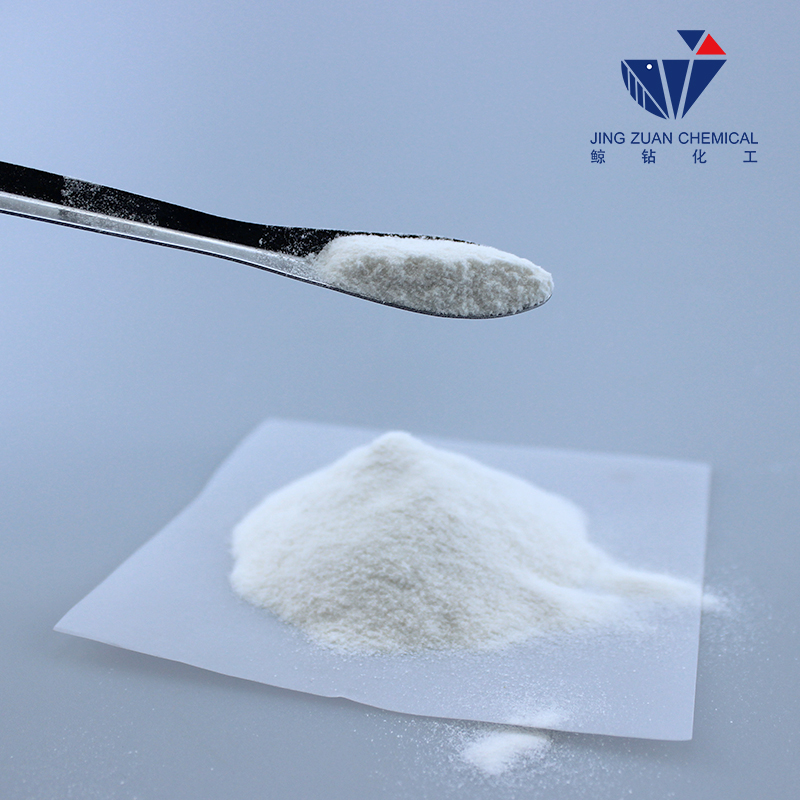
| Appearance | White Powder | - |
| Methoxy Content | 19.0 - 24.0 | % |
| Hydroxypropyl Content | 4.0 - 12.0 | % |
| Viscosity (2% solution) | 4000 - 6000 | mPa·s |
| pH (2% solution) | 6.5 - 8.5 | - |
Vendor Comparison Table
| Vendor | Certifications | Stock Availability | Technical Support | Pricing |
|---|---|---|---|---|
| CNJZ Chemical | FDA, EP, ISO 9001 | High (regional warehouses) | In-house technical team | Competitive with volume discounts |
| Global Chem Distributors | ISO 9001, REACH compliant | Moderate (select markets) | Remote consultancy | Mid-range |
| ChemiSupply Co. | FDA, GMP | Low (order based) | Limited support | Higher-tier pricing |
Wrapping It Up: Why HPMC Distribution Matters More Than Ever
Talking through HPMC distributors makes you realize they're really the quiet pillars behind many product innovations and supply chains worldwide. Their blend of quality assurance, flexible solutions, and technical expertise often determines if industries meet growing global demands sustainably and efficiently. So next time you pick up a coated tablet or walk across a newly tiled floor, remember there’s a distributor somewhere making sure the HPMC is just right.
Curious about sourcing your own reliable HPMC? Visit hpmc distributor to explore how today’s market leaders are shaping tomorrow’s solutions.
References
-
Understanding Hydroxypropyl Methyl Cellulose MSDS Safety and Compliance
NewsApr.16,2026
-
Understanding the Hydroxypropyl Methyl Cellulose HS Code for Global Trade
NewsApr.09,2026
-
Comprehensive Guide to Hydroxypropyl Methyl Cellulose CAS Number and Applications
NewsApr.07,2026
-
Comprehensive Guide to Hydroxypropyl Methyl Cellulose cas no and its Diverse Applications
NewsApr.04,2026
-
Comprehensive Guide to Hydroxypropyl Methyl Cellulose Manufacturers and Applications
NewsMar.31,2026
-
Understanding Hydroxypropyl Methyl Cellulose Properties And Diverse Applications
NewsMar.28,2026