
Oct . 16, 2025 21:35 Back to list
Looking for Cellulose Ether with High Viscosity & Stability?
If you’ve spent time in modern construction labs (or on dusty job sites, like I have), you already know how much rides on the quiet workhorse of drymix chemistry: cellulose ether. Specifically, HPMC—Hydroxypropyl Methyl Cellulose—keeps mortars cohesive, paints smooth, and putties workable even when the weather misbehaves. Sounds simple; it isn’t.
Product snapshot: HPMC for real-world jobs
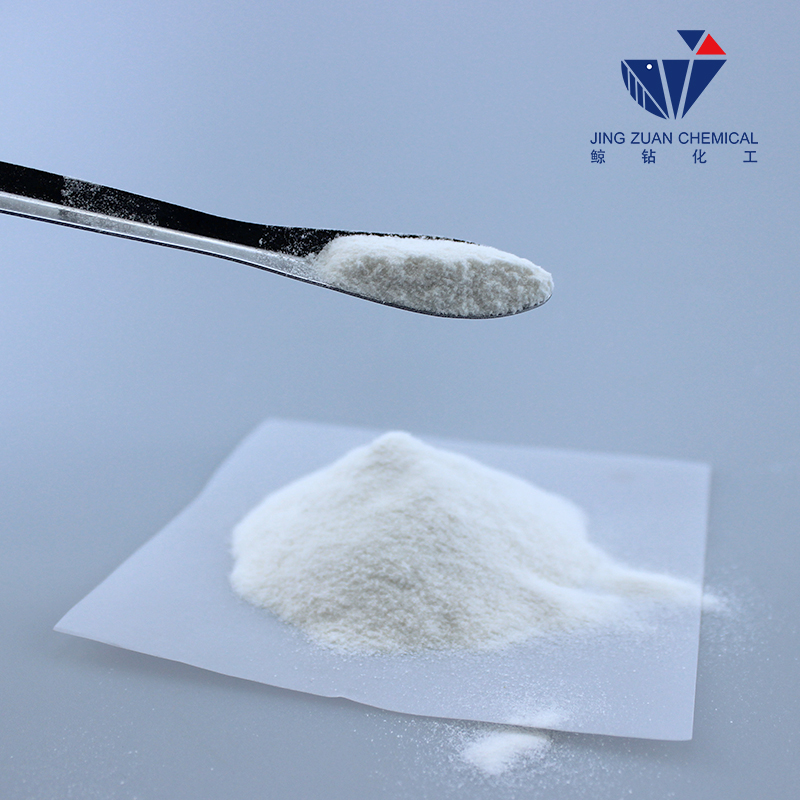
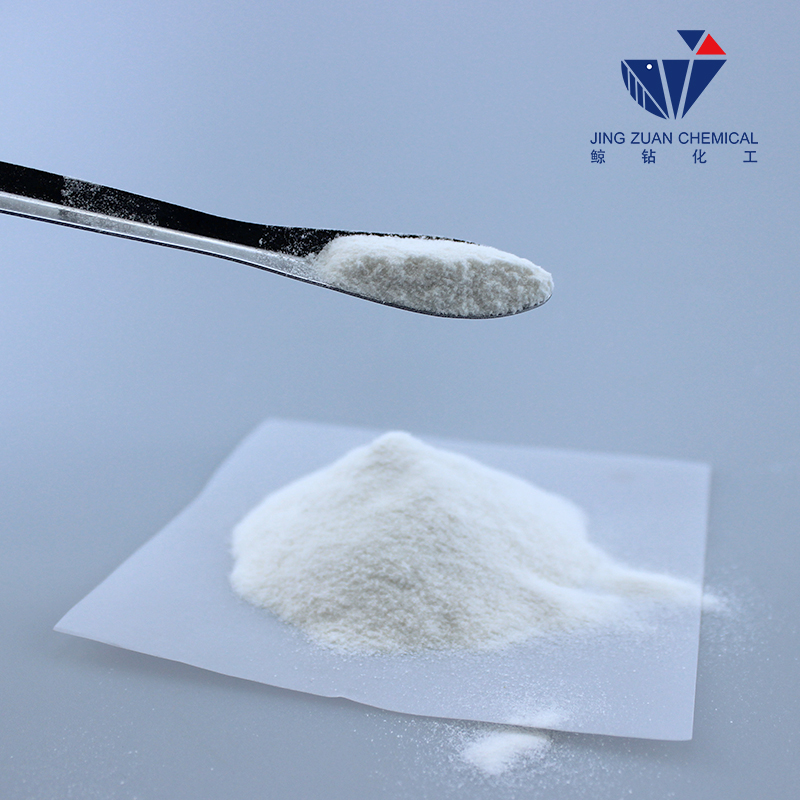
Origin: NO.1 BUILDING, TECHNOLOGY CERTER, HIGH-TECH ZONE, SHIJIAZHUANG CITY, HEBEI PROVINCE, CHINA. Chemical name: Hydroxypropyl Methyl Cellulose. Formula: C36H70O19. Viscosity range: 400–200,000 mPa·s (Brookfield, 2% solution, 20°C). Moisture ≤5%, Ash ≤5%, Gel temp 62–70°C. To be honest, those numbers only matter if they translate into smoother troweling, better water retention, and fewer callbacks. They do.
| Parameter | Spec | Notes (≈ real-world) |
|---|---|---|
| Viscosity | 400–200,000 mPa·s | Select grade per workability/anti-sag needs |
| Moisture | ≤5% | Dry storage extends shelf life ≈ 24 months |
| Residue (Ash) | ≤5% | Low ash supports cleaner films |
| Gel Temperature | 62–70°C | Thermal gelation helps sag control |
Industry trends I’m seeing
Demand is tilting toward higher consistency grades that balance water retention with trowelability. Sustainability pressure is real: formulators want lower dosage with equal open time. And yes, detergent and paint makers are borrowing construction-grade cellulose ether tech for shear-thinning rheology and splash resistance.
Where it works (and why)
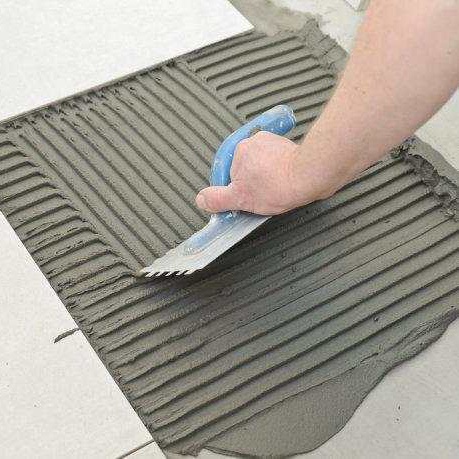
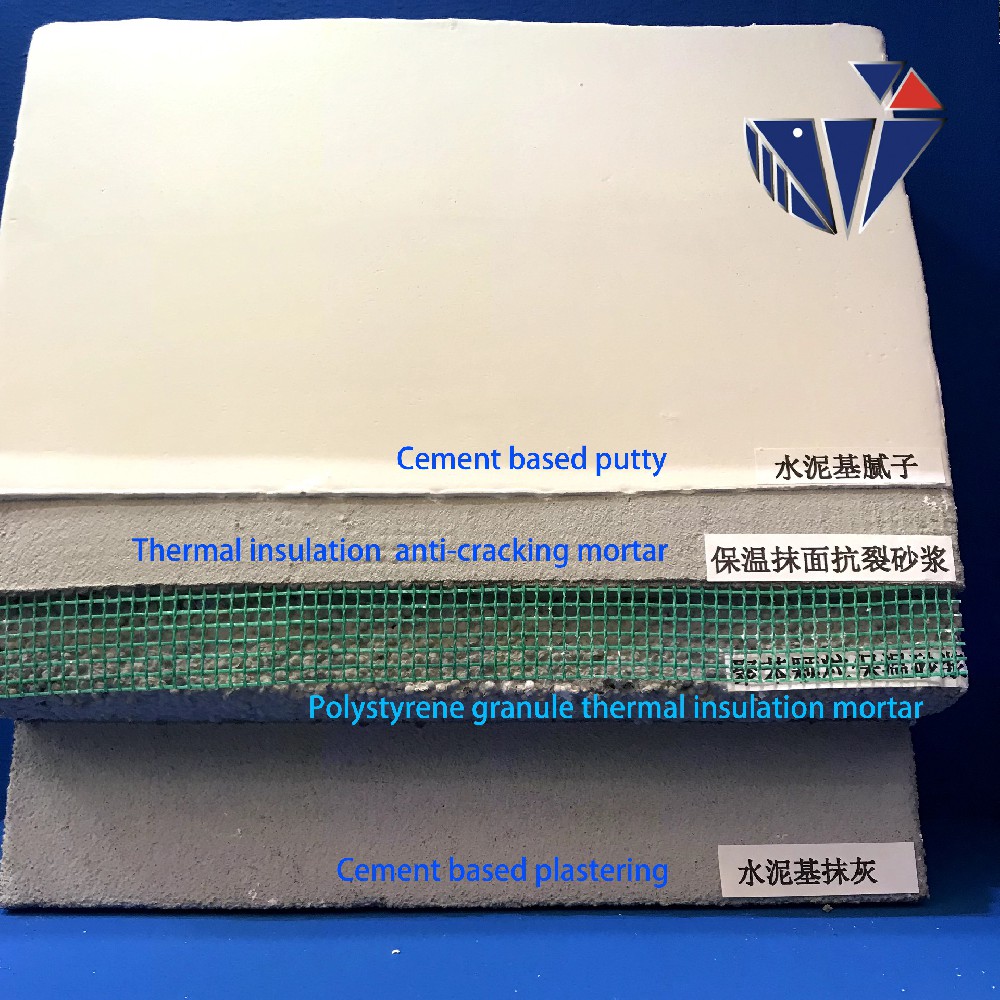
- Tile adhesives and EIFS mortars: water retention ≥95%, open time +10–20 min (EN 1346).
- Gypsum plaster/skim coats: improved anti-sag and crack resistance; creamier feel (contractors love this).
- Self-leveling compounds: controlled viscosity for flow without segregation (ASTM C1437 guidance).
- Detergents and paints: stable, pseudoplastic viscosity; better suspension of fillers.
Typical dosage: 0.2–0.6% by weight of binder for cementitious systems; around 0.1–0.4% in gypsum. Your mileage will vary with cement fineness, ambient temperature, and sand gradation.
Process flow and QC (brief but practical)
Refined cotton → alkalization (NaOH) → etherification (propylene oxide, methyl chloride) → neutralization → washing → drying → milling → sieving. Key controls: degree of substitution (DS), molar substitution (MS), particle size, and viscosity stability. Testing typically follows Brookfield viscosity methods; mortar performance validated to EN 12004/EN 1015-19 and ASTM C905/C1437. Shelf life: ≈24 months sealed, cool/dry.
Customization and certifications
Grades tailored for fast-set, high-retention, or pumpable mixes. Particle size can be adjusted for dusting/dispersion. ISO 9001 systems are standard; REACH compliance available. Many customers say they notice steadier batch-to-batch viscosity—less rework on site, which is money saved.
Vendor comparison (what buyers actually ask me)
| Vendor | Viscosity Range | QC/Certs | Lead Time | Notes |
|---|---|---|---|---|
| CNJZ Chemical (HPMC) | 400–200,000 | ISO 9001, REACH | ≈ 10–15 days | Stable water-retention grades; strong tech support |
| Global Vendor A | 20,000–200,000 | ISO 14001/9001 | ≈ 3–5 weeks | Premium pricing; broad portfolio |
| Regional Vendor B | 5,000–100,000 | Basic QC | ≈ 2–4 weeks | Competitive price; variable consistency |
Case notes from the field
Hot-climate tile adhesive (Middle East): switching to a high-retention cellulose ether grade delivered +18 minutes open time (EN 1346), with slip reduced by ≈30%. A gypsum skim coat in coastal Asia saw pinholes drop visibly; finishers said it “feels creamy, less draggy.” Not wildly scientific, but it echoes the lab data.
How to choose the right grade
Match viscosity to task: lower for pumpability, higher for sag resistance. Check gel temperature if you’re fighting heat. Verify water retention (EN 1015-19) on your own sand/cement—it seems obvious, but local aggregates change everything. And always request a small pre-batch; in fact, that’s where the truth shows.
- EN 12004, EN 1346: Adhesives for tiles – Testing open time and performance.
- EN 1015-19: Methods of test for mortar – Determination of water retention.
- ASTM C1437: Standard Test Method for Flow of Hydraulic Cement Mortar.
- ISO 9001: Quality management systems – Requirements.
-
Understanding Hydroxypropyl Methyl Cellulose MSDS Safety and Compliance
NewsApr.16,2026
-
Understanding the Hydroxypropyl Methyl Cellulose HS Code for Global Trade
NewsApr.09,2026
-
Comprehensive Guide to Hydroxypropyl Methyl Cellulose CAS Number and Applications
NewsApr.07,2026
-
Comprehensive Guide to Hydroxypropyl Methyl Cellulose cas no and its Diverse Applications
NewsApr.04,2026
-
Comprehensive Guide to Hydroxypropyl Methyl Cellulose Manufacturers and Applications
NewsMar.31,2026
-
Understanding Hydroxypropyl Methyl Cellulose Properties And Diverse Applications
NewsMar.28,2026