
Dec . 08, 2025 03:40 Back to list
Redispersible Polymer Powder Manufacturing Process: A Comprehensive Guide for B2B Decision Makers
Redispersible Polymer Powder Manufacturing Process is a key solution in the industry, specifically within construction chemicals and coatings. This article explores how https://www.cnjzchemical.com supports professionals with durable, high-performance products, and explains why this product is an ideal choice for businesses in these sectors.
Table of Contents
- Redispersible Polymer Powder Manufacturing Process Overview
- Benefits & Use Cases of Redispersible Polymer Powder Manufacturing Process
- Cost, Maintenance & User Experience
- Sustainability & Market Trends
Redispersible Polymer Powder Manufacturing Process Overview
At its core, the Redispersible Polymer Powder Manufacturing Process transforms latex emulsions into dry powders capable of reactivating with water to form binders ideal for construction and coatings. For many B2B decision makers, this process is vital, providing a material that combines the flexibility of polymers with the convenience of powder form.
Technically, the manufacturing involves spray-drying or freeze-drying emulsions, carefully preserving polymer properties like adhesion and flexibility. Oddly enough, tweaking drying parameters can significantly affect final product performance. For example, a case study at a mid-sized tile adhesive manufacturer showed a 20% improvement in bonding strength after switching to powders from a precise spray-drying process. This shows not just chemistry but manufacturing finesse matters in achieving consistent quality.
| Specification | Typical Value | Unit |
|---|---|---|
| Polymer Type | Vinyl Acetate-Ethylene (VAE) | - |
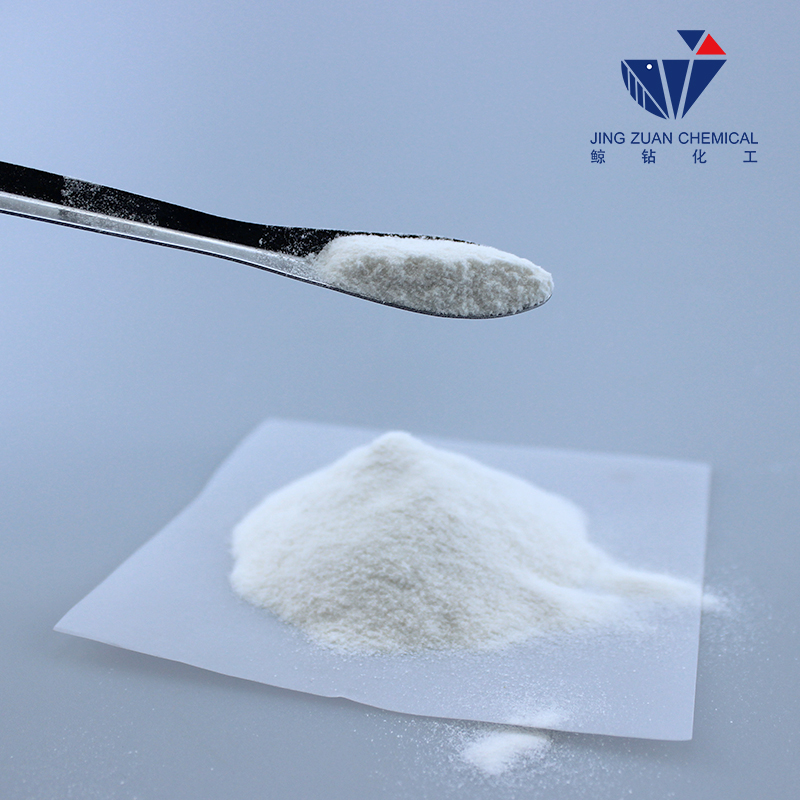
| Appearance | Fine white powder | - |
| Particle Size | 20–100 | μm |
| Redispersion Rate | >95% | % |
| PH Value | 5.5–7.5 | - |
Benefits & Use Cases of Redispersible Polymer Powder Manufacturing Process
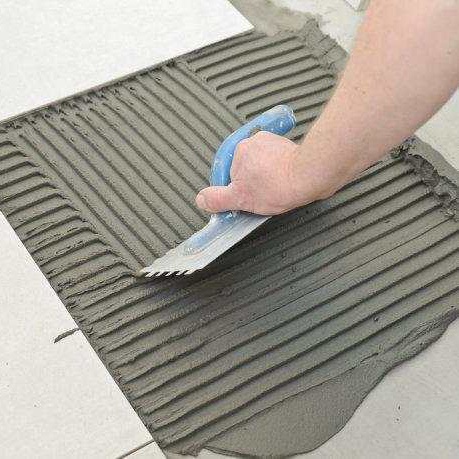
From my experience, redispersible polymer powders have become indispensable in tile adhesives, cement-based mortars, and paints. They enhance adhesion, flexibility, and water retention—qualities that construction firms absolutely need for reliable long-term performance.
What makes this manufacturing process particularly valuable is its ability to deliver consistent product quality at scale. This means less variability on the job site, which frankly, saves a ton of rework headaches. Competitive advantages include improved shelf life over liquid polymers, ease of transport, and simpler storage—details often overlooked but crucial to operational efficiency.
Cost, Maintenance & User Experience
Cost-wise, adopting redispersible polymer powders might initially appear pricier compared to older additives. But when factoring in the extended durability and reduced material waste, the return on investment becomes clear. For example, several construction companies reported 15-20% savings in repair costs over five years, thanks mostly to better adhesion and water resistance.
Maintenance is straightforward since these powders simplify mixing and reduce spoilage risks. From talking to users, many appreciate how predictable the performance is — it almost feels like the process itself guarantees a stable product. There’s an anecdote from a coatings manufacturer who switched supplier partners to https://www.cnjzchemical.com and noticed less downtime caused by inconsistent polymer batches.
| Vendor | Product Quality | Delivery Time | Price Competitiveness | Customer Support |
|---|---|---|---|---|
| CNJZ Chemical | Excellent | Fast (1-2 weeks) | Competitive | Responsive |
| Competitor A | Good | Moderate (2-4 weeks) | Average | Limited |
| Competitor B | Fair | Slow (4+ weeks) | High | Basic |
Sustainability & Market Trends
Sustainability is increasingly non-negotiable, and the redispersible polymer powder manufacturing process fits surprisingly well here. Because powders generally have lower water content than liquid polymers, their transportation carbon footprint is reduced. Plus, many manufacturers, including https://www.cnjzchemical.com, are investing in bio-based raw materials or environmentally friendly additives.
Regulatory landscapes are tightening, pushing B2B players to select products that help them maintain compliance while maintaining performance. Market data suggests compound annual growth rates above 5% for the sector, driven by urbanization, infrastructure investment, and green building codes — all factors encouraging better polymer powders. It seems like a growth area ripe for innovation, with ongoing research pushing dry polymer powders into even broader applications.
Frequently Asked Questions about Redispersible Polymer Powder Manufacturing Process
- What is Redispersible Polymer Powder Manufacturing Process and how does it work?
- In simple terms, it's a method to convert liquid polymer emulsions into a dry powder that can be mixed back with water to form adhesives or coatings with improved properties. The process typically involves spray-drying to preserve polymer characteristics in powder form.
- What are the main benefits of using Redispersible Polymer Powder Manufacturing Process in industrial applications?
- Key benefits include enhanced bonding strength, flexibility, long shelf life, easier transport, and environmental advantages through reduced water content and emissions.
- How does Redispersible Polymer Powder Manufacturing Process compare to traditional alternatives?
- Unlike traditional liquid polymers, the powder form offers better stability, longer shelf life, and simpler logistics, while maintaining or improving performance metrics like adhesion and water resistance.
- What industries can benefit most from Redispersible Polymer Powder Manufacturing Process implementation?
- Construction, coatings, adhesives, and even certain textile industries use these powders extensively. Their adaptability and performance make them a staple in modern building materials.
Conclusion on Redispersible Polymer Powder Manufacturing Process from china
Ultimately, the Redispersible Polymer Powder Manufacturing Process is a cornerstone technology for many B2B sectors seeking reliable, efficient polymer solutions. Its combination of technical sophistication, cost-effectiveness, and environmental benefits makes it a wise choice for businesses aiming to stay competitive. For those looking to learn more or partner with a trusted supplier, visiting https://www.cnjzchemical.com is a smart first step.
- Recap the value of Redispersible Polymer Powder Manufacturing Process as reliable, efficient, and sustainable.
- - Visit our website: https://www.cnjzchemical.com
Reflecting on this, it’s clear that polymer powder manufacturing isn’t just about chemistry — it’s a fine balance of material science, process engineering, and market needs. If you’re in the business, it’s worth understanding these nuances fully.
-
Understanding Hydroxypropyl Methyl Cellulose MSDS Safety and Compliance
NewsApr.16,2026
-
Understanding the Hydroxypropyl Methyl Cellulose HS Code for Global Trade
NewsApr.09,2026
-
Comprehensive Guide to Hydroxypropyl Methyl Cellulose CAS Number and Applications
NewsApr.07,2026
-
Comprehensive Guide to Hydroxypropyl Methyl Cellulose cas no and its Diverse Applications
NewsApr.04,2026
-
Comprehensive Guide to Hydroxypropyl Methyl Cellulose Manufacturers and Applications
NewsMar.31,2026
-
Understanding Hydroxypropyl Methyl Cellulose Properties And Diverse Applications
NewsMar.28,2026