
Nov . 27, 2025 09:50 Back to list
Understanding HPMC HS Code: Classification, Benefits & Global Applications
What Exactly Is the HPMC HS Code and Why Should You Care?
It sounds a bit technical, doesn’t it? HPMC HS code — just a string of letters and numbers — but it’s actually a crucial piece of the global trade puzzle. When you peel back the layers, it’s all about identifying Hydroxypropyl Methylcellulose (HPMC) properly in customs and trade documents worldwide. Understanding this code isn’t just paperwork wizardry; it empowers manufacturers, exporters, importers, and regulators to ensure smoother shipment flows, cost savings, and regulatory compliance across borders.
Frankly, if you’re in industries like construction, pharmaceuticals, food processing, or even cosmetics, knowing how HPMC is classified and coded correctly can lead to smoother supply chains and fewer nasty surprises at customs checkpoints.
The Global Landscape: Why the HPMC HS Code Matters Now More Than Ever
On the world stage, international trade fascinates me — mountains of products zipping across continents every day. According to the United Nations Conference on Trade and Development, global merchandise exports topped $20 trillion in recent years, showing just how interconnected everyone is. Within this context, standardized product classification like the Harmonized System (HS) codes are the unsung heroes that keep customs efficient and uniform.
HPMC, a versatile cellulose derivative used across many applications, has a designated HS code, helping customs officers and businesses recognize exactly what’s moving through ports, airports, and borders. Otherwise, you'd get chaos — delays, excessive duties, or worse, seizures.
One challenge here is that different countries sometimes interpret classifications slightly differently. For HPMC exporters, inconsistent HS code application can mean costly headaches, which is why standardizing with the right hpmc hs code saves time and money.
Breaking It Down: The Meaning Behind HPMC HS Code
Let’s demystify this a bit. HPMC stands for Hydroxypropyl Methylcellulose — a non-ionic cellulose ether that’s prized for its water retention and thickening features. The HS code, or Harmonized System code, is a globally recognized numeric coding system, designed by the World Customs Organization to classify products in international trade.
So, when we say “HPMC HS code,” we mean the specific numeric identifier that tags HPMC for customs purposes — often under the broad category of cellulose ethers. This code tells customs officials exactly what is inside that shipping container, whether it’s bound for Europe, Asia, or the Americas. Oddly enough, this tiny detail helps everything from building projects to pharmaceutical manufacturing stay on track worldwide.
Core Components of the HPMC HS Code
- Product Identification: Accurate naming and classification of HPMC to distinguish it from other cellulose derivatives.
- Duty and Tax Calculations: Determines tariffs and taxes based on internationally agreed classifications.
- Regulatory Compliance: Ensures shipments meet import/export licensing, safety, and environmental standards.
- Trade Statistics & Analysis: Helps governments and businesses track trade flows and market trends for HPMC.
- Logistics Coordination: Streamlines cargo handling through predictable documentation procedures.
Think of it like a Rosetta Stone for trade — translating complex products into universally understood codes.
Where Does HPMC Fit In? Real-World Uses and Global Reach
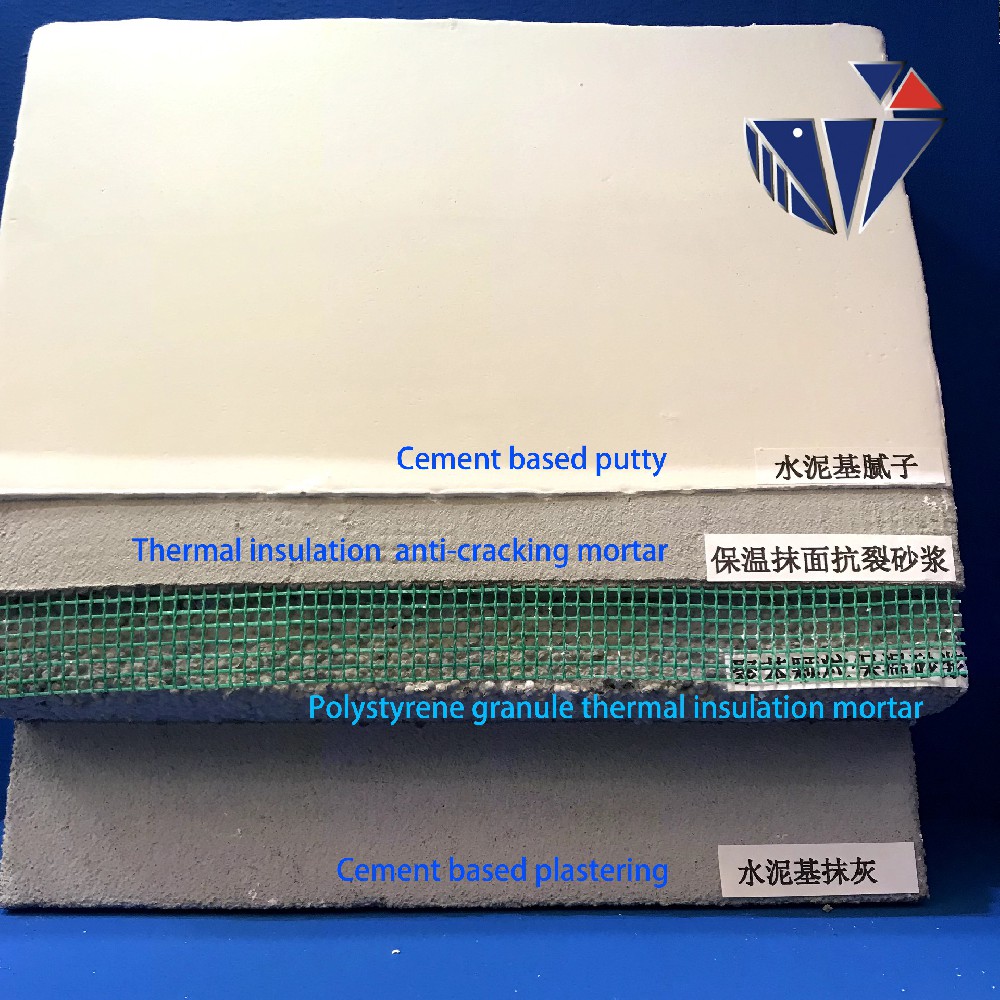
HPMC isn’t just any chemical; it’s woven into everyday products around the globe. Construction industries rely on it as a thickener and stabilizer in cement and plaster. The pharmaceutical world values its film-forming ability — you’ve probably swallowed a pill coated with HPMC without even realizing it.
Regions with booming construction needs, like Southeast Asia and the Middle East, import HPMC at scale, tagging shipments with the correct HS code to ensure swift customs clearance. In post-disaster relief operations, fast-setting cement mixed with HPMC keeps shelter projects moving — especially critical in remote areas where delays mean hardship.
Even the food industry benefits: from gluten-free baking to dairy alternatives, HPMC provides texture and stability, making it a silent hero on supermarket shelves worldwide.
Mini Takeaway:
Understanding the HPMC HS code doesn’t just help with customs — it unlocks insights into global trade patterns, market opportunities, and industry growth.
Advantages of Correct HPMC Classification & Its Long-Term Value
When HPMC is classified and coded properly, everyone wins. Businesses save money by avoiding improper tariffs and delays. Governments get accurate data, helping shape industry policies and environmental regulations.
From a sustainability standpoint, correctly coded HPMC shipments mean less waste at borders and faster shipment times — a smaller carbon footprint through efficiency. Importers and exporters enjoy peace of mind, knowing their goods won’t be held hostage by paperwork errors. Plus, it builds trust with clients and partners, which, frankly, is priceless in today’s hyper-competitive market.
Future Trends: What’s Next for HPMC and Its Classification?
The trade industry is moving fast — digitization and AI-driven customs clearance are on the rise, promising even faster processing times. Additionally, green chemistry innovations mean HPMC variants are becoming more eco-friendly, pushing the need for updated codes capturing sustainability credentials.
Some countries are experimenting with blockchain to verify product origins and authenticity, aiming to reduce fraud. Imagine a future where your HPMC shipment’s HS code is just one part of a verifiable, tamper-proof trade record. It’s exciting and, frankly, overdue.
Challenges and How the Industry Is Adapting
Despite all the progress, challenges persist. Variations in HS code interpretations across customs unions can cause delays. Also, newer HPMC formulations sometimes don’t fit neatly into existing code categories, leading to classification debates.
The solution? Industry bodies and government agencies are collaborating more than ever to harmonize codes and update them in real time. Expert consultancies and platforms facilitate accurate product coding, while many businesses invest in training to avoid costly errors.
FAQs About HPMC HS Code
| Question | Answer |
|---|---|
| What is the HPMC HS code used for in international trade? | It classifies Hydroxypropyl Methylcellulose in customs declarations, ensuring correct tariff application and regulatory compliance across borders. |
| How do I find the correct HS code for my HPMC product? | Consult the World Customs Organization’s tariff schedules and local customs guidelines, or refer to trusted suppliers’ documentation like those on hpmc hs code resources. |
| Can incorrect HS code usage affect shipment times? | Absolutely. Misclassification often leads to inspections, fines, or shipment delays that disrupt supply chains. |
| Is the HS code for HPMC the same worldwide? | The base HS code is standardized internationally, but some countries add extensions or interpret codes differently, so it’s important to confirm locally. |
Typical HPMC Product Specifications
| Parameter | Value | Unit |
|---|---|---|
| Methoxy Content | 19-24 | % |
| Hydroxypropyl Content | 4-12 | % |
| Viscosity (2% solution) | 1000-4000 | mPa·s |
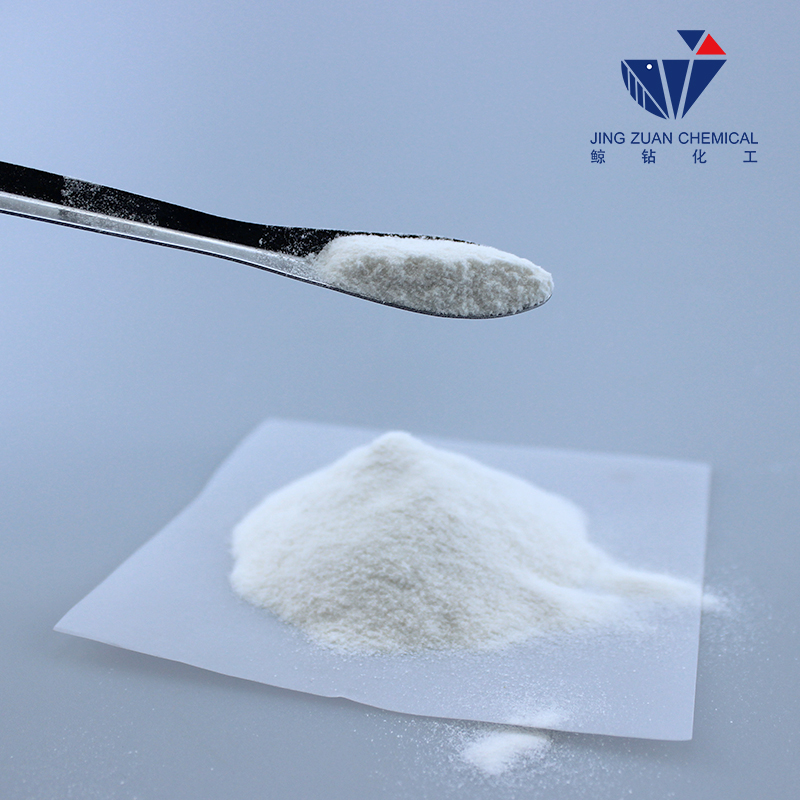
| Appearance | White Powder | - |
Vendor Comparison: Quality and HS Code Assistance
| Supplier | Product Grade | HS Code Support | Global Reach |
|---|---|---|---|
| CNJZ Chemical | Pharma & Industrial | Full Documentation & Consultation | Asia, Europe, Americas |
| Global Cellulose Co. | Industrial Grade | Standard HS Code Guidance | Europe & Asia |
| EcoBind Chemicals | Eco-Friendly Variants | Customized HS Code Support | North America & Europe |
Wrapping Up: Why You Should Keep the HPMC HS Code in Your Toolkit
All in all, this isn’t mere jargon or bureaucratic red tape. The hpmc hs code stands as a vital crossroads of chemistry, commerce, and compliance. Knowing it inside out smooths the path through customs, cuts hidden costs, and supports global business growth.
If you’re working with HPMC or considering it for your next product line, don’t overlook the power of correct classification — it might just be your unsung hero.
Want to dive deeper or source certified HPMC grades? Check out hpmc hs code resources and connect with trusted suppliers who can set you up for success.
References
-
Understanding Hydroxypropyl Methyl Cellulose MSDS Safety and Compliance
NewsApr.16,2026
-
Understanding the Hydroxypropyl Methyl Cellulose HS Code for Global Trade
NewsApr.09,2026
-
Comprehensive Guide to Hydroxypropyl Methyl Cellulose CAS Number and Applications
NewsApr.07,2026
-
Comprehensive Guide to Hydroxypropyl Methyl Cellulose cas no and its Diverse Applications
NewsApr.04,2026
-
Comprehensive Guide to Hydroxypropyl Methyl Cellulose Manufacturers and Applications
NewsMar.31,2026
-
Understanding Hydroxypropyl Methyl Cellulose Properties And Diverse Applications
NewsMar.28,2026