
Dec . 03, 2025 13:22 Back to list
Understanding Hydroxyethyl Cellulose Dow: Benefits, Applications & Future Trends
Hydroxyethyl Cellulose Dow: A Versatile Polymer Driving Modern Solutions
Hydroxyethyl cellulose Dow, often simply called HEC, is one of those unassuming materials that quietly but significantly shapes many industries worldwide. From construction to cosmetics, to pharmaceuticals and even humanitarian aid, this water-soluble polymer finds diverse uses thanks to its thickening, binding, and stabilizing properties. Understanding hydroxyethyl cellulose Dow isn’t just about knowing a chemical name — it’s about recognizing a key enabler for smoother formulations, safer products, and more sustainable processes globally.
Why Hydroxyethyl Cellulose Matters on the Global Stage
The global hydroxyethyl cellulose market is projected to keep growing steadily. According to various market reports, it is expected to expand at a CAGR of around 5% through 2027. This growth is no surprise when you consider how industries are increasingly demanding efficient, non-toxic, and biodegradable additives. And Dow’s formulations, often lauded for consistency and quality, help cater to this demand. In fact, with sustainability targets aligned with ISO standards (such as ISO 14001 for environmental management), producers and end-users favor materials like HEC that comply with such norms.
Yet, challenges persist — notably in balancing cost efficiency with environmental impact and ensuring supply chain stability. The ability of hydroxyethyl cellulose Dow to meet these challenges makes it a focal point for innovation and industry discussion.
What Exactly Is Hydroxyethyl Cellulose Dow?
Simply put, hydroxyethyl cellulose Dow is a chemically modified cellulose polymer derived from natural cellulose — think plants, wood pulp, or cotton fibers. It’s processed by introducing hydroxyethyl groups that make it water-soluble and highly functional. In everyday terms, it acts as a thickener, emulsifier, film former, and stabilizer in countless products. Whether it’s your shampoo feeling just right or a construction adhesive holding strong, you’re likely benefiting from some form of hydroxyethyl cellulose.
Its link to modern industrial needs is straightforward: it enables formulations that require low toxicity, easy handling, and long shelf-life — critical parameters for both consumer goods and technical applications.
Key Characteristics of Hydroxyethyl Cellulose Dow
1. Viscosity Control
One of the standout qualities of HEC is its ability to control viscosity. Manufacturers fine-tune the molecular weight and substitution degree to get the precise thickness and flow properties they need.
2. Compatibility and Stability
HEC blends well with salts, surfactants, and other common components. This compatibility ensures stable product formulations, avoiding phase separation or degradation.
3. Biodegradability & Safety
Because it’s cellulose-based, it naturally biodegrades, which is a huge plus in environmental terms. Plus, it’s generally regarded as non-toxic, aligning with regulatory safety demands globally.
4. Thermal and pH Tolerance
HEC is resilient across a range of temperatures and pH levels, enabling its use in everything from cold beverage gels to acidic pharmaceutical creams.
5. Ease of Processing
It dissolves quickly in water and disperses uniformly, making it a favorite among formulators who want efficiency during manufacturing without sacrificing product quality.
Mini Takeaway:
Hydroxyethyl cellulose Dow offers a balanced mix of performance, safety, and sustainability that’s hard to beat, explaining its widespread adoption across industries.
Global Applications & Use Cases
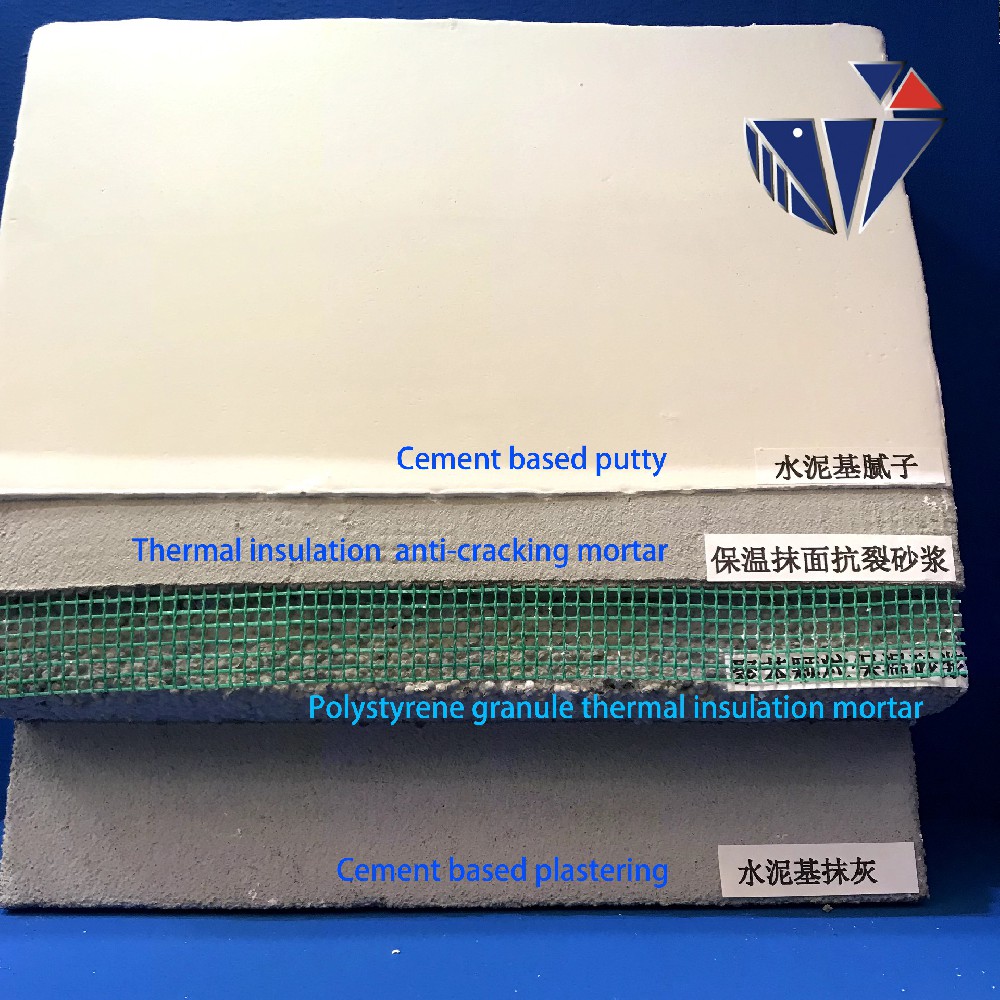
- Construction Industry: As a thickener and binder in cement, paints, and adhesives, HEC improves workability and durability, especially in hot or dry climates.
- Personal Care Products: Found in shampoos, lotions, and toothpaste, it provides the desired texture and stability.
- Pharmaceuticals: Utilized as a suspending agent in topical creams and oral formulations, ensuring even distribution of active ingredients.
- Food Industry: Sometimes used as a stabilizer or thickener in gluten-free products or vegan desserts.
- Humanitarian and Environmental Solutions: In waterless cleaning powders or soil stabilizers, it aids emergency response and environmental management efforts.
Regions ranging from North America and Europe to emerging markets in Asia-Pacific benefit from Dow’s HEC products, thanks to scalable supply networks and responsive technical support. For instance, in arid regions, construction products incorporating hydroxyethyl cellulose Dow deliver longer lifespan and enhanced crack resistance, a meaningful difference for infrastructure resilience.
Advantages & Long-term Value
What really makes hydroxyethyl cellulose Dow stand out is the combination of tangible and intangible benefits. Cost-wise, it offers a solution that often reduces reliance on more expensive synthetic polymers or harmful additives. From a sustainability perspective, biodegradability aligns with circular economy principles, increasingly important to consumers and regulators alike.
There’s also a social dimension: products formulated with HEC often provide safer, more pleasant user experiences. Imagine a soothing skin cream that retains moisture without harsh chemicals, or a paint that doesn’t emit strong fumes during application. It’s innovation that builds trust over time — trust that Dunlop engineers and chemists at Dow have spent decades cultivating.
Product Specification Table: Typical Hydroxyethyl Cellulose Dow Grades
| Property | Grade A | Grade B | Grade C |
|---|---|---|---|
| Viscosity (2% in water, cps) | 1,000 | 5,000 | 10,000 |
| DS (Degree of Substitution) | 1.2 | 1.4 | 1.6 |
| Water Content (%) | 5 max | 7 max | 8 max |
| pH Range | 6-8 | 5-9 | 4-10 |
Comparing Hydroxyethyl Cellulose Vendors
| Vendor | Product Range | Sustainability Focus | Global Distribution | Technical Support |
|---|---|---|---|---|
| Dow | Wide (several grades for varied uses) | Strong, ISO-certified | Extensive global network | 24/7 expert consultation |
| The Chemours Company | Moderate grades | Moderate efforts | North America focus | Standard support |
| Ashland | Specialty grades | Developing initiatives | Global | Strong R&D support |
Future Trends & Innovations
Looking forward, hydroxyethyl cellulose Dow will likely integrate with more sustainable raw material sources, such as non-wood biomass, to lower environmental footprints. Advances in biotechnology may foster enzymatic processes that tailor HEC properties with even greater precision. Integration with digital formulation tools could speed new product development cycles drastically.
Furthermore, the push for “green chemistry” and circular economy models signals that companies like Dow will be innovating around recyclability, water conservation during processing, and energy-efficient chemistry. Automation and AI-assisted quality control might also enhance consistency and traceability, reassuring buyers and regulators.
Challenges & Expert Solutions
Of course, no solution is perfect. Some challenges include variability in raw cellulose sources, potential costs for high-purity grades, and occasional regulatory hurdles in certain regions. Ensuring global supply stability while maintaining sustainability standards is a constant balancing act.
Experts suggest approaches such as diversified sourcing, collaborative R&D between manufacturers and end-users, and investment in lifecycle assessments. Dow, with its history and resources, remains at the forefront of tackling these issues head-on.
FAQ: Frequently Asked Questions About Hydroxyethyl Cellulose Dow
- What makes hydroxyethyl cellulose Dow different from other cellulose ethers?
- Dow’s HEC grades are highly customizable, backed by extensive R&D and consistent quality control, ensuring optimal performance and compatibility across applications.
- Can hydroxyethyl cellulose Dow be used in eco-friendly cosmetic products?
- Yes, because it’s biodegradable and non-toxic, HEC is popular in natural and organic personal care formulations to achieve desired texture without harsh chemicals.
- How does HEC improve construction materials?
- HEC increases workability by controlling water retention and viscosity, enhancing adhesion and durability of cement and plaster mixtures, especially in challenging environments.
- Is the supply of hydroxyethyl cellulose Dow reliable globally?
- Dow’s global distribution and production network supports steady supply, with technical support helping manufacturers adjust formulations as needed.
- How do environmental regulations affect the use of HEC?
- Due to its natural origin and biodegradability, HEC generally meets or exceeds many international environmental regulations, making it a preferred choice for green product lines.
Conclusion
In sum, hydroxyethyl cellulose Dow is far more than a polymer — it’s a practical, versatile solution powering innovation across industries worldwide. Its unique blend of performance, sustainability, and safety mean it will continue to be a backbone ingredient for innovators and manufacturers alike. If you want to explore more or see how Dow’s hydroxyethyl cellulose products can benefit your business, I recommend visiting hydroxyethyl cellulose dow.
At the end of the day, these finely engineered polymers quietly uphold quality and sustainability in ways we often take for granted. It feels like the perfect example of chemistry serving humanity — quite the meaningful legacy.
Happy formulating!
References
-
Understanding Hydroxypropyl Methyl Cellulose MSDS Safety and Compliance
NewsApr.16,2026
-
Understanding the Hydroxypropyl Methyl Cellulose HS Code for Global Trade
NewsApr.09,2026
-
Comprehensive Guide to Hydroxypropyl Methyl Cellulose CAS Number and Applications
NewsApr.07,2026
-
Comprehensive Guide to Hydroxypropyl Methyl Cellulose cas no and its Diverse Applications
NewsApr.04,2026
-
Comprehensive Guide to Hydroxypropyl Methyl Cellulose Manufacturers and Applications
NewsMar.31,2026
-
Understanding Hydroxypropyl Methyl Cellulose Properties And Diverse Applications
NewsMar.28,2026