
Dec . 04, 2025 10:40 Back to list
Understanding Vae Redispersible Powder: Benefits & Market Trends for B2B
Vae Redispersible Powder is a key solution in the industry, specifically within modern construction and adhesive technologies. This article explores how https://www.cnjzchemical.com supports professionals with durable, high-performance products, and explains why this product is an ideal choice for businesses in these sectors.
Table of Contents
- Vae Redispersible Powder Overview
- Benefits & Use Cases of Vae Redispersible Powder
- Cost, Maintenance & User Experience
- Sustainability & Market Trends
Vae Redispersible Powder Overview
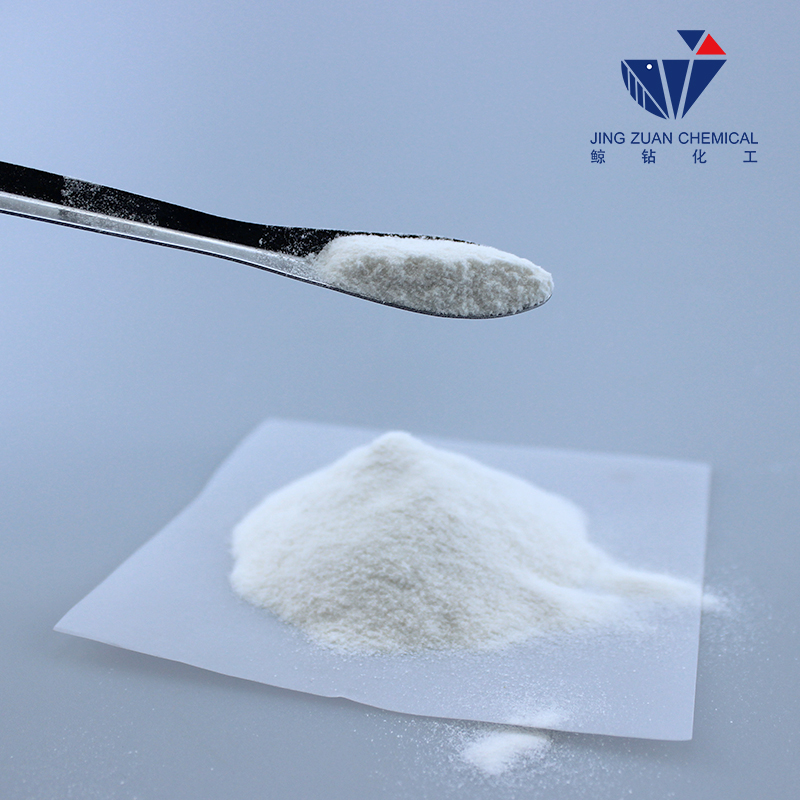
If you’re diving into the world of modern additives for construction materials, the term Vae Redispersible Powder pops up quite a bit—and for good reason. It’s essentially a polymer powder made by drying vinyl acetate-ethylene (VAE) emulsions. This product comes back to life or “redisperses” when mixed with water, transforming into a flexible binder for cement or gypsum-based formulations. The magic? It significantly improves adhesion, flexibility, and water resistance in mortars and coatings, which is crucial for long-lasting structures.
- VAE polymers create films that toughen up overlays while maintaining elasticity.
- Specifications often highlight particle size (around 10-50 microns), solids content (≥ 85%), and pH neutrality, making them adaptable to various formulations.
- A case study from a Chinese adhesive manufacturer noted a 30% increase in bonding strength after switching to VAE-based redispersible powders.
| Specification | Typical Value | Unit |
|---|---|---|
| Polymer Type | Vinyl Acetate-Ethylene (VAE) | - |
| Solids Content | ≥ 85 | % |
| Particle Size | 15 - 35 | μm |
| pH Value | 6.5 - 9.5 | - |
| Bulk Density | 350 - 450 | kg/m³ |
Benefits & Use Cases of Vae Redispersible Powder
Frankly, in construction and adhesives, finding a binder that balances flexibility and strength feels like chasing a unicorn. Vae Redispersible Powder sort of hits that sweet spot. It’s widely used not just in tile adhesives and joint fillers but also in renders and waterproof coatings. Its ability to improve flexibility helps materials resist cracking under temperature swings or structural load—pretty important for building longevity.
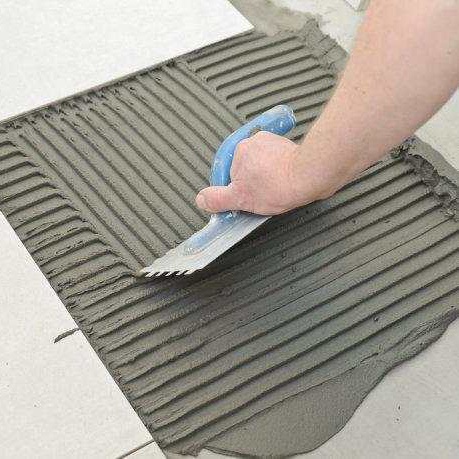
- Widely used in thin-set mortars for ceramic tiles to improve bonding and water resistance.
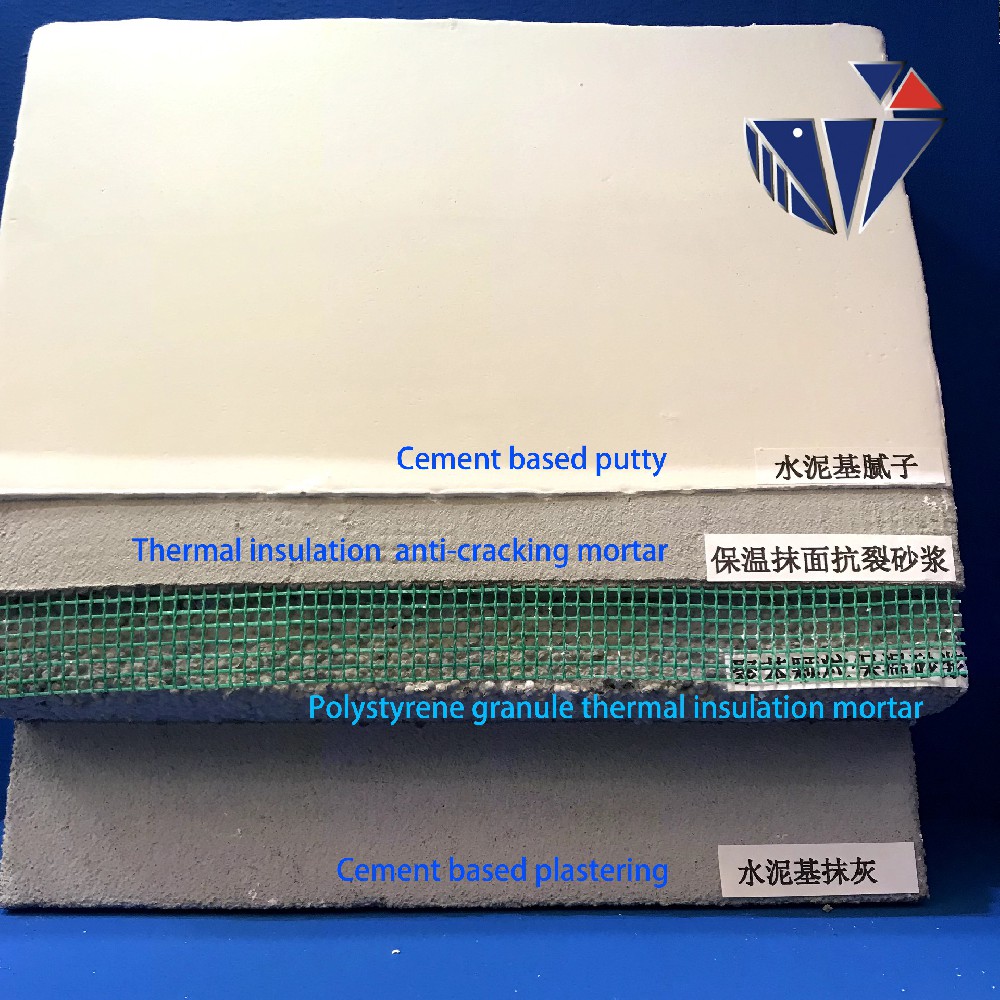
- In dry-mixed plasters and wall putties, it makes the mix more workable and less prone to shrinkage.
- Compared with traditional binders, it offers enhanced adhesion and freeze-thaw resistance.
Cost, Maintenance & User Experience
It’s tempting to think that introducing a specialty polymer powder might hike costs — and yes, the upfront price is slightly higher than some cement-only mixes. However, in real terms, the total cost of ownership often drops. Why? Because the materials last longer and reduce rework, saving labor and downtime. Many engineers I spoke with noticed how using Vae Redispersible Powder translated into smoother application processes and fewer complaints from installers.
- Offers improved durability that reduces maintenance frequency.
- Good water retention properties mean better curing and stronger final product.
- Customer feedback highlights improved workability of mixes incorporating VAE powders.
| Characteristic | Vae Redispersible Powder | Traditional Cement Binders |
|---|---|---|
| Bond Strength | High | Moderate |
| Flexibility | Excellent | Low |
| Water Resistance | Superior | Variable |
| Cost (per kg) | Medium-High | Low |
| Application Ease | High | Standard |
Sustainability & Market Trends
Oddly enough, sustainability is becoming the underlying current shaping the redispersible powder market. As global environmental regulations toughen, businesses are looking for additives that don’t just upgrade performance but also reduce their carbon footprint. VAE powders, including those supplied by https://www.cnjzchemical.com, are increasingly produced with eco-conscious processes, meeting or exceeding standards related to VOC emissions and recyclability. The construction sector’s growing demand for durable yet green materials is pushing innovation here—so it feels like we’re entering a new era where polymer powders play a big part in smarter, sustainable buildings.
- Increasing regulatory pressure favors low-VOC, environmentally friendly additives.
- Market growth driven by infrastructure expansion and renovation projects worldwide.
- Innovation trends include hybrid powders combining VAE with bio-based polymers.
Frequently Asked Questions about Vae Redispersible Powder
- What is Vae Redispersible Powder and how does it work?
- It is a powdered form of vinyl acetate-ethylene polymer that redisperses in water. When added to cement or gypsum mixes, it acts as a binder that improves flexibility, adhesion, and water resistance by forming polymer films within the matrix.
- What are the main benefits of using Vae Redispersible Powder in industrial applications?
- Key benefits include increased durability of mortars, enhanced bonding strength, improved workability, resistance to cracking, and better performance in water-exposed environments.
- How does Vae Redispersible Powder compare to traditional alternatives?
- Unlike traditional cement-only binders, VAE powders provide higher flexibility and water resistance, reducing material failures and maintenance over time, though at a moderate increase in cost.
- What industries can benefit most from Vae Redispersible Powder implementation?
- Construction, tile adhesives, waterproof coatings, plasters, and drywall compounds are primary sectors where it improves product quality and application efficiency.
Conclusion on Vae Redispersible Powder from china
To wrap it up, Vae Redispersible Powder remains a go-to solution for B2B decision makers aiming to enhance the quality and durability of construction materials. Thanks to its balance of flexibility, adhesion, and environmental benefits, it makes sense for businesses to consider it seriously. For anyone exploring high-performance polymer powders, visiting https://www.cnjzchemical.com is a great first step.
- Recap the value of Vae Redispersible Powder.
- - Visit our website: https://www.cnjzchemical.com
Reflecting on the journey of polymer powders, it feels like VAE redispersible variants continue to innovate quietly but powerfully, quietly reshaping industry standards one mortar mix at a time.
References:
1. Global Polymer Emulsion Market Analysis, 2023.
2. Construction and Adhesive Materials Journal, Vol. 19, 2022.
3. User feedback from Chinese adhesive manufacturers, 2023.
-
Understanding Hydroxypropyl Methyl Cellulose MSDS Safety and Compliance
NewsApr.16,2026
-
Understanding the Hydroxypropyl Methyl Cellulose HS Code for Global Trade
NewsApr.09,2026
-
Comprehensive Guide to Hydroxypropyl Methyl Cellulose CAS Number and Applications
NewsApr.07,2026
-
Comprehensive Guide to Hydroxypropyl Methyl Cellulose cas no and its Diverse Applications
NewsApr.04,2026
-
Comprehensive Guide to Hydroxypropyl Methyl Cellulose Manufacturers and Applications
NewsMar.31,2026
-
Understanding Hydroxypropyl Methyl Cellulose Properties And Diverse Applications
NewsMar.28,2026