
Dec . 02, 2025 15:44 Back to list
Uses of Hydroxypropyl Methylcellulose: Applications, Benefits, and Industry Insights
Exploring the Uses of Hydroxypropyl Methylcellulose in Industry and Beyond
Hydroxypropyl methylcellulose (HPMC) might sound like a mouthful, but its applications are surprisingly widespread and critical across industries worldwide. From construction to pharmaceuticals, understanding the uses of hydroxypropyl methylcellulose unlocks insight into how modern products achieve their texture, stability, and performance. For businesses and researchers alike, this natural, versatile polymer bridges chemistry and practical innovation, serving functions that matter deeply for sustainability, safety, and efficiency.
Introduction: Understanding Hydroxypropyl Methylcellulose’s Global Role
Globally, the chemical and materials markets have witnessed a rising demand for eco-friendly and multi-functional additives. According to ISO standards, materials that improve sustainability without compromising functionality are increasingly prized. Hydroxypropyl methylcellulose is one such ingredient, thanks to its biodegradability and adaptable properties. It addresses key industry challenges like improving product shelf life and performance while reducing reliance on petrochemical inputs — an urgent pivot faced by sectors worldwide as they align with UN sustainability goals.
More than a simple additive, HPMC serves as a bridge between advanced chemistry and practical solutions in areas from emergency housing to drug delivery. Whether for thickening, binding, or moisture retention, the uses of hydroxypropyl methylcellulose solve problems that impact industries ranging from food production to construction, especially in developing regions where resource efficiency matters most.
What Exactly Are the Uses of Hydroxypropyl Methylcellulose?
Put simply, hydroxypropyl methylcellulose is a cellulose-derived polymer that technicians and formulators use mainly as an additive for its thickening, emulsifying, and film-forming capabilities. Being water-soluble yet stable under varying temperatures, it supports many industrial needs, especially where texture and consistency must be controlled. Frankly, it's the kind of ingredient that works behind the scenes but dramatically impacts the quality of countless products.
Its connection to modern industry comes partly from its origin: cellulose, a renewable plant resource. This aligns hydroxypropyl methylcellulose with humanitarian and environmental goals by offering biodegradable alternatives to synthetic polymers, relevant in everything from sustainable packaging to safe pharmaceuticals for vulnerable populations.
Core Attributes Driving the Uses of Hydroxypropyl Methylcellulose
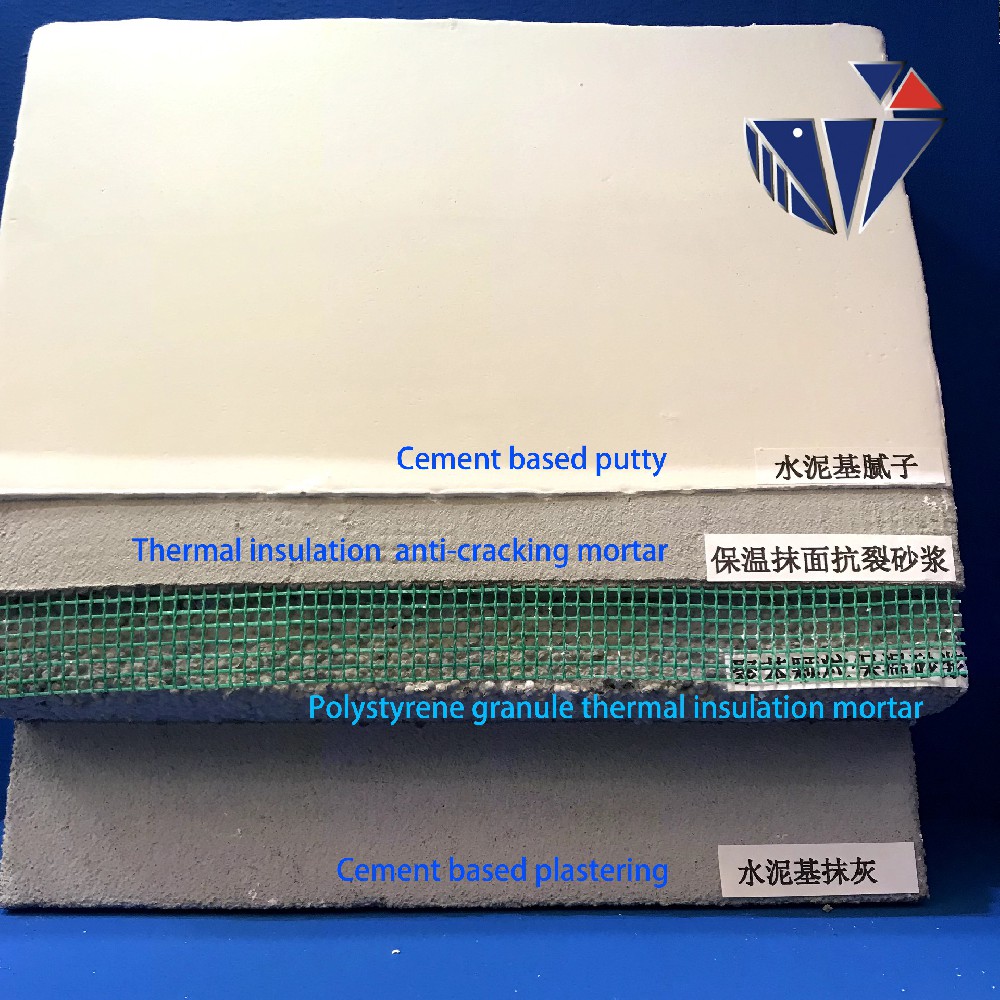
- Durability: HPMC forms films and gels that improve mechanical strength, useful in construction materials like plasters and tile adhesives.
- Moisture Management: Its hygroscopic nature allows it to retain and regulate moisture, critical in cosmetics and pharmaceuticals.
- Thermal Stability: Surprising for a cellulose derivative, it withstands temperature changes, maintaining product effectiveness through storage and use.
- Non-Toxicity and Biodegradability: Essential in food, medical, and environmental applications where safety and sustainability are non-negotiable.
- Ease of Customization: Chemical modifications permit varying viscosity grades, tailoring HPMC to specific manufacturing needs (from coatings to binders).
- Compatibility: It integrates smoothly with other agents, enabling complex formulations like controlled drug release or fast-setting mortar.
Product Specification: Typical Grades of Hydroxypropyl Methylcellulose
| Grade | Viscosity (mPa·s) | Methoxy (%) | Hydroxypropyl (%) | Typical Application |
|---|---|---|---|---|
| HPMC-15 | 15,000 | 19–24% | 4–12% | Tile adhesives, cement mortar |
| HPMC-80 | 80,000 | 19–24% | 4–12% | Pharmaceutical coatings, controlled-release tablets |
| HPMC-5 | 5,000 | 26–30% | 7–14% | Cosmetics, personal care |
Global Applications & Use Cases
In Europe and North America, the pharmaceutical industry heavily utilizes HPMC for controlled-release tablets, ensuring medications maintain efficacy over time without harmful additives. In Asia, particularly China and India, construction sectors rely on hydroxypropyl methylcellulose to enhance mortars and plasters that meet increasingly strict environmental regulations.
Humanitarian organizations have found applications in emergency shelter materials. For example, higher-viscosity HPMC grades improve adhesion and water resistance in modular housing panels deployed in post-disaster regions. Oddly enough, even food industries worldwide value HPMC as a stabilizer or fat replacer, enhancing product texture without animal derivatives — a win for vegan trends.
In remote industrial zones, especially mining and oil extraction fields, it appears in drilling fluids to regulate viscosity and stabilize boreholes, improving safety and operational efficiency.
Vendor Comparison: Leading HPMC Suppliers
| Supplier | Product Range | Price Range (USD/kg) | Certifications | Sustainability |
|---|---|---|---|---|
| CNJZ Chemical | Broad (5k–80k mPa·s) | 5–8 | ISO 9001, FDA | Biodegradable, low carbon footprint |
| Dow Chemical | Moderate (10k–70k mPa·s) | 7–10 | ISO 14001, REACH | Emission reduction programs |
| Shin-Etsu | Narrow (20k–50k mPa·s) | 8–12 | ISO 9001, Halal | Focus on recycling initiatives |
Advantages & Long-Term Value of Using Hydroxypropyl Methylcellulose
The benefits of HPMC are both pragmatic and progressive. Cost-wise, it provides an economical alternative to many synthetics, often requiring smaller quantities to achieve similar or better performance. And since it’s derived from cellulose, the social impact leans positively on environmental fronts — less dependency on fossil fuels, more biodegradability, less waste buildup.
On a human level, the safety profile reassures industries that handle food or medicine, which is often overlooked but hugely important. HPMC’s reliability ensures consistent quality, which fosters trust — no small matter in delicate fields like pharma. I often hear manufacturers describe their “comfort zone” with HPMC-based products as one of dependability.
Future Trends & Innovations Surrounding Hydroxypropyl Methylcellulose
Looking forward, HPMC is carving pathways toward personalized medicine, where fine-tuned viscosity and gel properties enable targeted drug delivery. Additionally, research into blending HPMC with other biopolymers aims to enhance 3D printing materials for construction and tissue engineering — a fascinating frontier truly blending industrial chemistry and biotech.
Environmental regulations tightening worldwide also spur innovations in greener production processes for HPMC itself. Digital transformation in supply chains improves traceability and quality control, which manufacturers welcome to align with consumer demands for transparency.
Challenges & Solutions in Hydroxypropyl Methylcellulose Applications
Of course, it isn’t all simple. Sometimes HPMC’s water sensitivity can limit applications in extremely humid environments. Moreover, scaling up production while maintaining consistent viscosity grades requires precise process controls. Manufacturers often innovate by cross-linking HPMC derivatives or blending with complementary polymers to improve robustness.
Expert formulators also invest in training and advanced analytical testing to overcome batch-to-batch variation, ensuring reliability — crucial when you’re formulating pharmaceuticals or critical construction materials.
FAQ: Frequently Asked Questions About Uses of Hydroxypropyl Methylcellulose
- Q: What are the primary industrial uses of hydroxypropyl methylcellulose?
A: Primary uses include serving as a thickener and binder in construction (like tile adhesives), a controlled-release agent in pharmaceuticals, and a stabilizer in food and personal care products. - Q: How does HPMC improve pharmaceutical tablets?
A: HPMC controls drug release rates by forming gels that regulate solubility and absorption, ensuring medicines work effectively over time without compromising stability. - Q: Is hydroxypropyl methylcellulose environmentally friendly?
A: Yes, it is derived from cellulose, making it biodegradable and a sustainable alternative to many synthetic polymers, reducing environmental impact. - Q: Can HPMC be customized for different industry needs?
A: Absolutely. Its viscosity and substitution levels can be modified to suit various formulations, from thin coatings to thick mortars. - Q: How do manufacturers ensure consistent HPMC quality?
A: Through stringent raw material selection, process control, and analytical testing standards like ISO 9001, suppliers maintain reliable product grades.
Conclusion
In a nutshell, the uses of hydroxypropyl methylcellulose span an impressive breadth of industries and demands — from keeping medicines safe to making stronger, eco-friendly building materials. As pressures on sustainability and quality escalate in the global market, HPMC serves as a versatile, trusted ally. For businesses interested in exploring these benefits, visit our website for detailed product information and expert support.
It’s a slowly evolving story, but one worth following if you care about how everyday products integrate science and sustainability.
I've seen firsthand how a small tweak in HPMC grade can transform a product’s success — it’s a fascinating field where chemistry meets real-world impact.
1. ISO, ISO 9001 Quality Management Systems.
2. United Nations Sustainable Development Goals, sdgs.un.org.
3. Wikipedia contributors, Hydroxypropyl methylcellulose, Wikipedia.
-
Understanding Hydroxypropyl Methyl Cellulose MSDS Safety and Compliance
NewsApr.16,2026
-
Understanding the Hydroxypropyl Methyl Cellulose HS Code for Global Trade
NewsApr.09,2026
-
Comprehensive Guide to Hydroxypropyl Methyl Cellulose CAS Number and Applications
NewsApr.07,2026
-
Comprehensive Guide to Hydroxypropyl Methyl Cellulose cas no and its Diverse Applications
NewsApr.04,2026
-
Comprehensive Guide to Hydroxypropyl Methyl Cellulose Manufacturers and Applications
NewsMar.31,2026
-
Understanding Hydroxypropyl Methyl Cellulose Properties And Diverse Applications
NewsMar.28,2026