
Nov . 30, 2025 14:45 Back to list
What Does HPMC Stand For? Exploring Its Meaning, Uses & Benefits Globally
Understanding What Does HPMC Stand For and Why It Matters Globally
In today’s industrial and commercial landscape, acronyms often become buzzwords, but few hold as much practical weight as HPMC. For those curious, what does hpmc stand for is a question worth answering — not just as trivia but as a window into how this versatile material underpins everything from construction to pharmaceuticals worldwide. Its benefits ripple across sectors due to its unique characteristics in enhancing durability, consistency, and sustainability. But why should this matter to you or your business? Simply put: understanding the scope of HPMC unlocks smarter choices in manufacturing, greater product performance, and aligns with global sustainability goals.
Mini takeaway: HPMC isn’t just a technical term — it’s a key ingredient in products and processes that shape modern industries.
Global Relevance: Why HPMC Is a Silent Workhorse Across Continents
The world’s industrial sectors have recognized many materials for their potential — but hydroxypropyl methylcellulose, or HPMC, stands out as an eco-friendly, versatile polymer. According to ISO reports, the rising demand for biodegradable and non-toxic additives in construction, food, and pharmaceutical applications underlines a global trend toward sustainability and safety (ISO). Moreover, in developing countries, efficient materials like HPMC help bridge infrastructure gaps and improve quality of life with cost-effective, durable solutions. Yet, challenges such as resource scarcity and environmental regulations make materials like HPMC even more critical to the supply chain puzzle.
To grasp what does hpmc stand for in context means to see it as a small but powerful part of a larger global movement toward smarter materials that meet both economic and ecological needs.
Mini takeaway: HPMC is gaining attention worldwide due to its role in sustainable development and resource-efficient industries.
The Definition and Core Meaning Behind What Does HPMC Stand For
Simply put, HPMC stands for hydroxypropyl methylcellulose. It is a chemically modified cellulose polymer derived mainly from plant-based raw materials. This makes it a bio-based and water-soluble compound with properties such as thickening, film-forming, and emulsifying agents. It is widely used as an additive or binder because of its stability and non-toxic nature.
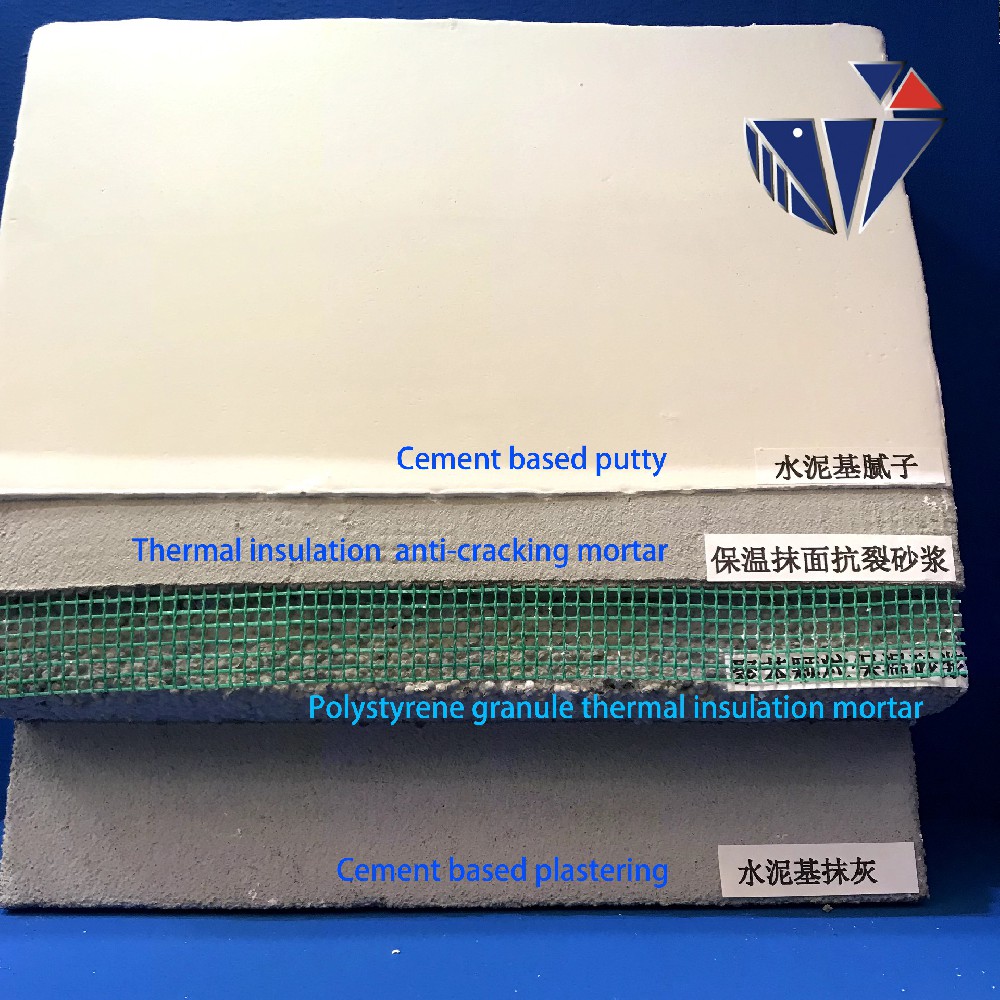
In the pharmaceutical sector, HPMC ensures controlled drug delivery and stability, while in the construction industry, it acts as a key stabilizer in mortars, plasters, and tile adhesives. Its ability to retain water and improve workability is valued anywhere uniform texture and durability are required.
Key Attributes of HPMC: What Makes It So Useful?
1. Durability and Stability
HPMC enhances the structural integrity of products. It maintains consistency even under environmental stress, making it indispensable in cement-based mortars and paints.
2. Water Retention Ability
Many builders rely on HPMC’s ability to retain moisture during curing to prevent cracking or premature drying.
3. Non-Toxic and Eco-Friendly
Derived from natural cellulose, it is biodegradable, making it ideal for industries aiming to reduce synthetic chemical use.
4. Versatility Across Industries
From tablets in pharma to gluten-free baking in food manufacturing, HPMC’s film-forming and thickening properties are remarkably adaptable.
5. Cost-Effectiveness
Despite offering high functionality, HPMC is competitively priced compared to synthetic counterparts.
Mini takeaway: Whether it’s moisture control or eco-consciousness, HPMC’s broad capabilities make it a valuable ingredient.
Where Is HPMC Making a Real Difference? Global Applications and Usage
HPMC's influence spans continents and sectors. In Asia-Pacific, booming construction demands stable cement mixtures enriched with HPMC to ensure lasting buildings. In Europe, pharmaceutical manufacturing leverages HPMC to produce sustained-release capsules. In North America, food technologists use it to replace fats and stabilize gluten-free products, improving texture and shelf life.
Humanitarian efforts in disaster-prone regions increasingly utilize HPMC-enhanced materials for rapid-deployment shelters and water purification aids — boosting resilience in tough environments.
HPMC Product Specifications In Brief
| Specification | Typical Value | Unit |
|---|---|---|
| Methoxy content | 19.0 - 24.0 | % |
| Hydroxypropyl content | 4.0 - 12.0 | % |
| Viscosity (2% solution) | 100 - 4000 | mPa·s |
| pH (2% solution) | 5.0 - 8.0 | - |
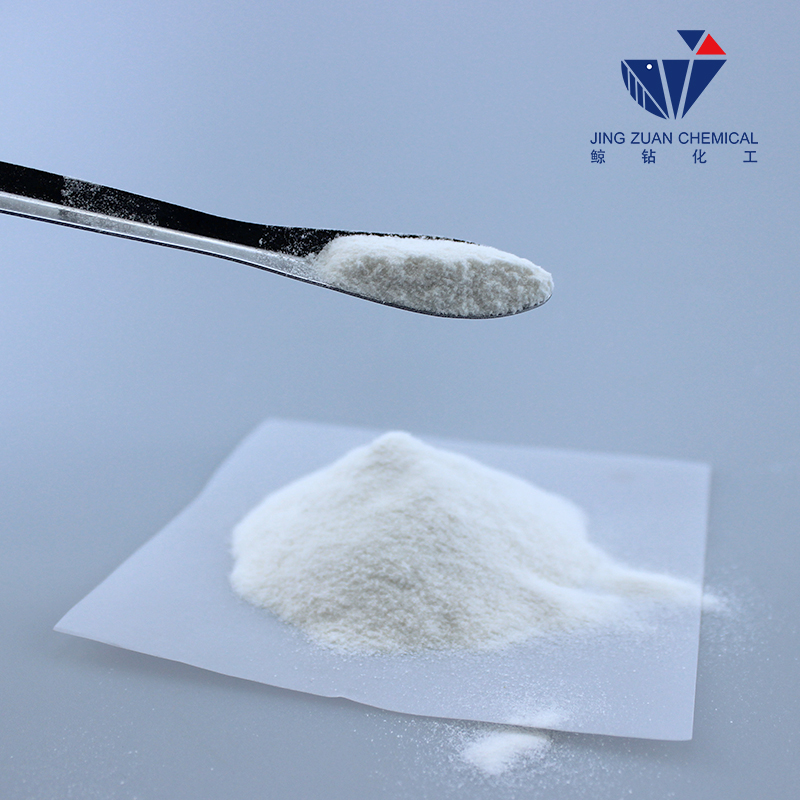
| Appearance | White powder | - |
Supplier Comparison: Choosing the Right HPMC Vendor
| Vendor | Product Range | Price per kg | Lead Time | Sustainability Certs |
|---|---|---|---|---|
| CNJZ Chemical | Standard & Custom grades | $4.20 | 2-3 weeks | ISO 14001, FSC |
| GlobalCellulose | Pharma-grade, Food-grade | $4.50 | 3-4 weeks | ISO 9001 |
| EcoPolymer Ltd. | Eco-certified variants | $4.80 | 2 weeks | Green Seal, ISO 14001 |
Why Should You Consider HPMC? Advantages and Everlasting Value
HPMC offers more than just practical utility; it carries substantial long-term benefits. For products, it brings consistency, safety, and eco-credentials that consumers increasingly demand. On the supply side, its stable supply chain and relatively low cost reduce financial risks.
Emotionally, products made using HPMC can be trusted to perform without harmful effects, lending a sense of dignity and reliability especially important in medical or food applications. In construction, it means stronger, longer-lasting buildings for generations, which I think many communities appreciate more than they realize.
Mini takeaway: Investing in HPMC-enhanced materials is investing in safety, sustainability, and broader social trust.
Future Trends Shaping the HPMC Market
The future looks bright for HPMC with new avenues opening in green chemistry and digital manufacturing. Research is ongoing to create even more biodegradable, high-performance grades tailored for 3D printing and nano-encapsulation. Policies worldwide are tightening on volatile organic compounds, making HPMC's low-impact profile a natural fit.
Additionally, automated production lines and AI-quality control promise improved purity and customization options, helping industries build smarter with less waste.
Common Challenges and Clever Solutions
One challenge often faced is the variability in raw material supply affecting batch consistency. Also, not every manufacturer has trained staff to optimize HPMC’s use, which can lead to subpar performance. Innovative solutions include enhancing supply chain transparency and training programs, plus blending HPMC with other polymers to widen its performance window.
FAQ: What People Commonly Ask About What Does HPMC Stand For
- Q: What exactly is hydroxypropyl methylcellulose used for?
A: HPMC is primarily used as a thickener, binder, and stabilizer in industries like construction, food, and pharmaceuticals to improve texture, moisture retention, and product stability. - Q: Is HPMC safe for pharmaceutical applications?
A: Yes, HPMC is widely approved for pharmaceutical use as it is non-toxic, bio-compatible, and used in controlled drug delivery systems. - Q: How does HPMC improve construction materials?
A: It enhances workability, water retention, and adhesion in mortars and plasters, which helps prevent cracking and ensures strong bonding. - Q: Can HPMC be considered environmentally friendly?
A: Absolutely. Derived from cellulose, it’s biodegradable and a greener alternative to many synthetic polymers. - Q: Where can I find reliable suppliers for HPMC?
A: Trusted sources like CNJZ Chemical offer a broad range of quality-assured HPMC products (see options here).
Wrapping It Up: Why Knowing What Does HPMC Stand For Makes a Difference
To circle back, knowing what HPMC stands for means appreciating the role of a truly versatile polymer that quietly elevates the quality, sustainability, and safety of products affecting millions globally. Whether you’re sourcing materials for a large-scale industrial project or innovating in the pharmaceutical space, HPMC offers reliable value and a link to future-friendly production. For those interested in learning more or partnering with a top vendor, I highly recommend visiting CNJZ Chemical — they’ve got an impressive lineup of HPMC grades and expertise to match.
References:
1. Wikipedia - Hydroxypropyl Methylcellulose
2. ISO - Sustainability Standards
3. Journal of Pharmaceutics on HPMC applications
-
Understanding Hydroxypropyl Methyl Cellulose MSDS Safety and Compliance
NewsApr.16,2026
-
Understanding the Hydroxypropyl Methyl Cellulose HS Code for Global Trade
NewsApr.09,2026
-
Comprehensive Guide to Hydroxypropyl Methyl Cellulose CAS Number and Applications
NewsApr.07,2026
-
Comprehensive Guide to Hydroxypropyl Methyl Cellulose cas no and its Diverse Applications
NewsApr.04,2026
-
Comprehensive Guide to Hydroxypropyl Methyl Cellulose Manufacturers and Applications
NewsMar.31,2026
-
Understanding Hydroxypropyl Methyl Cellulose Properties And Diverse Applications
NewsMar.28,2026