
Nov . 29, 2025 04:55 Back to list
What HPMC Stands For & Why It’s Vital in Construction and Pharmaceuticals
Unlocking the Mystery: What Does hpmc stands for?
If you’ve ever stumbled upon the term hpmc stands for in construction, pharmaceuticals, or even food industries, you might have paused wondering what’s the big deal. In fact, understanding what HPMC means is sort of like having a backstage pass to some of the most versatile, sustainable materials shaping our world today.
More than just a fancy acronym, HPMC represents a chemical marvel that powers everything from building insulation to tablet coatings and even gluten-free baking. Globally, its applications ripple across continents — aiding environmental goals, supporting humanitarian projects, and pushing industries toward greener, more effective solutions.
Mini takeaway: Decoding hpmc stands for reveals a multifunctional polymer bridging innovation and sustainability worldwide.
Setting the Scene: Why HPMC Matters Globally
According to recent ISO standards and United Nations reports on sustainable materials, polymers like HPMC are game changers for modern technology and construction. The world is pushing toward materials that are not only effective but environmentally friendly — think about it: with over 1.3 billion houses lacking decent insulation worldwide and rising demands for better pharmaceuticals, something had to step up.
HPMC answers that call by tackling multiple challenges: durability, compatibility with various ingredients and materials, and biodegradability. Oddly enough, this one polymer fits into domains as diverse as vegan food processing and earthquake-resistant building — which hints at how crucial its role is in tackling global problems.
Mini takeaway: HPMC plays a vital role in addressing worldwide material challenges, especially where sustainability meets performance.
So, What Exactly Does HPMC Stands For?
HPMC stands for Hydroxypropyl Methylcellulose. It’s a chemically modified cellulose derivative, tailor-made in labs to combine water solubility with film-forming ability and thickening properties. From cellulose trees to versatile polymers, everything about HPMC screams “multi-tasker.”
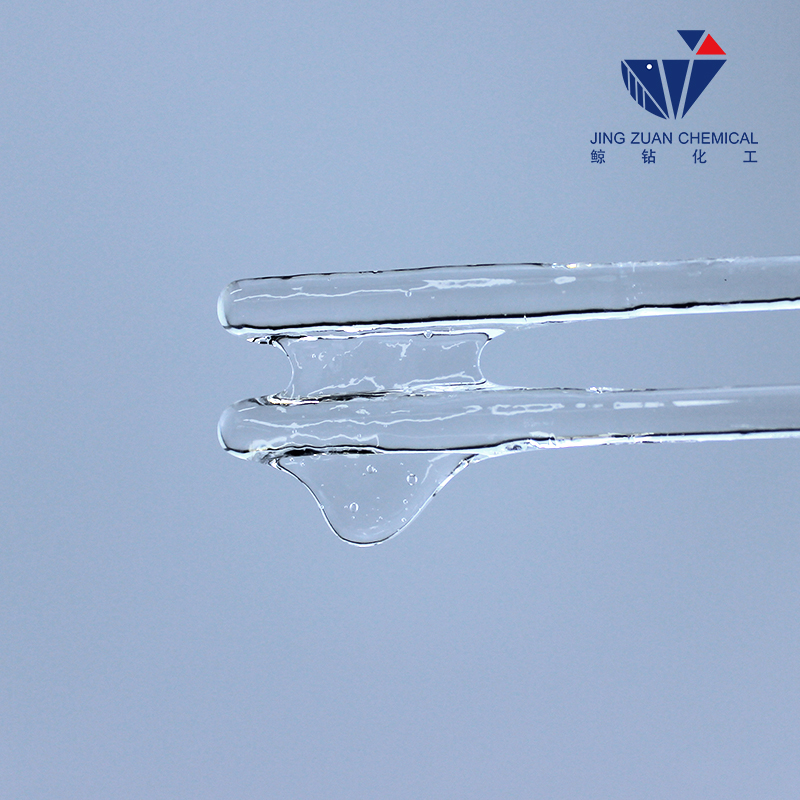
In industry terms, it’s a non-ionic cellulose ether — meaning it doesn’t carry an electrical charge and won’t interact negatively with metals or acids. This neutrality is why it’s prized in pharmaceutical coatings and concrete additives alike. It can thicken formulas without making them gloopy and stabilize emulsions without causing separation.
It’s even used in vegan-friendly baking, where it mimics gluten’s texture to help keep bread fluffy and moist.
Mini takeaway: Hydroxypropyl Methylcellulose is essentially a versatile polymer blend bridging natural cellulose’s rawness with chemical sophistication.
Breaking Down the Key Components of HPMC
1. Durability
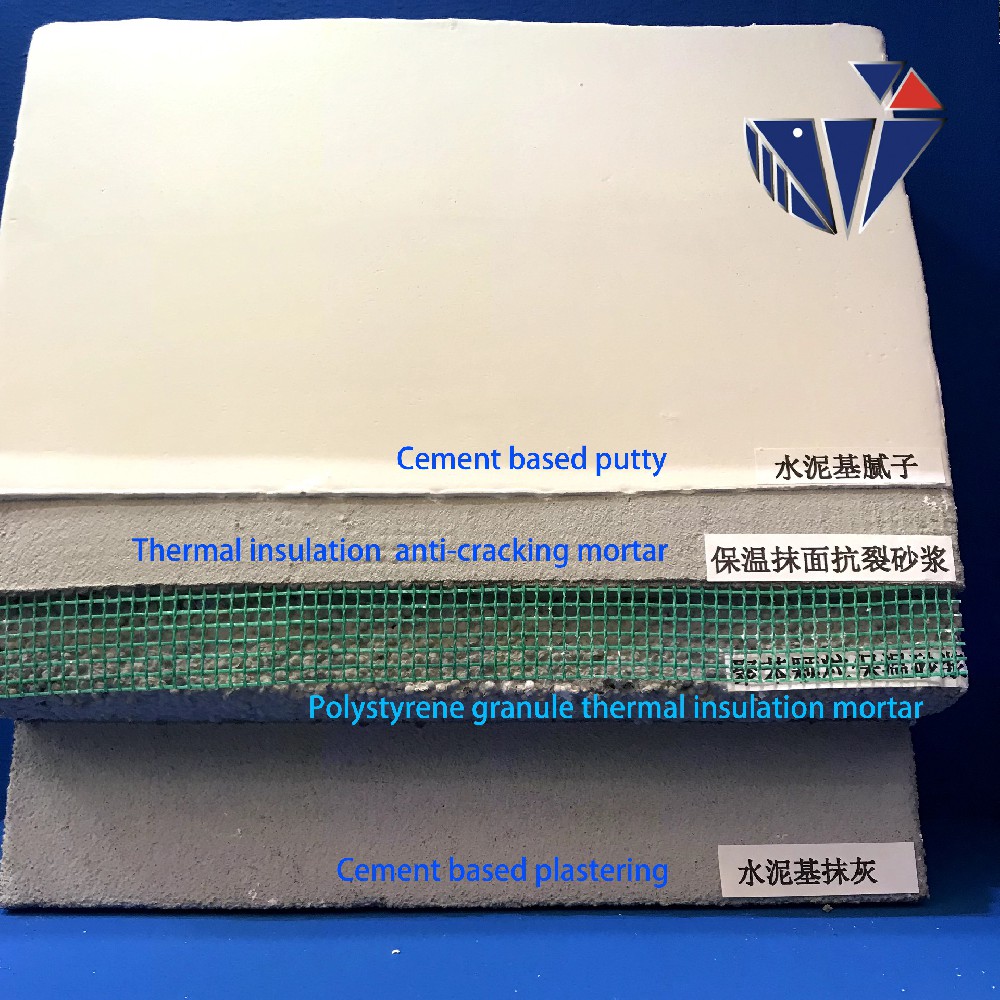
HPMC’s resistance to heat and moisture makes it especially attractive in construction — it comes in handy in plaster or mortar where long-term weather resistance is critical. Many engineers say that without HPMC, these materials would be prone to cracking and degrading over time.
2. Compatibility
This polymer blends wonderfully with a multitude of materials, from cement powders to pharmaceutical excipients, boosting cohesion without causing unwanted chemical reactions.
3. Thickening & Film-Forming
If you poke around paint or cosmetic formulations, you’ll spot HPMC helping to create smooth textures and stable suspensions, preventing pigment clumping or ingredient separation. It’s like the ultimate behind-the-scenes assistant in production.
4. Water Retention
In construction mortars or cosmetics, retaining water is vital. HPMC ensures materials remain workable and pliable longer, which translates to better end-product quality.
5. Safety & Non-Toxicity
FDA approval in many domains proves HPMC’s safety record, useful in food, pharmaceuticals, and personal care products.
Mini takeaway: The secret strength of HPMC is its blend of durability, adaptability, and safety—in a package that fits into many industrial niches.
Global Applications of HPMC: Where and How It Shines
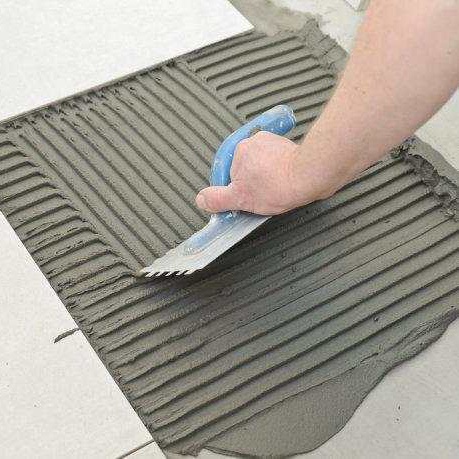
- Construction Industry: Used as a thickener and water retention agent in plasters and tile adhesives, supporting everything from Asian skyscrapers to European restoration projects.
- Pharmaceutical Coatings: Enables controlled release formulations, masks unpleasant flavors, and protects active ingredients from moisture and oxidation.
- Food Industry: Acts as a vegan binder and stabilizer, particularly in gluten-free products where its film-forming qualities replace gluten proteins.
- Cosmetics & Personal Care: Maintains texture in lotions and creams, improving spreadability and product longevity.
- Humanitarian & Disaster Relief: Plays an unheralded role in rapid-setting construction materials used to rebuild shelters, roads, or facilities in disaster zones.
Regions like Southeast Asia and parts of Africa heavily rely on HPMC-enhanced plaster materials for sustainable, affordable housing development — a truly heartening example of science meeting social need.
Mini takeaway: HPMC’s global footprint extends from everyday beauty products to life-saving infrastructure in vulnerable communities.
HPMC Specification: A Quick Look at Typical Product Parameters
| Specification | Typical Range |
|---|---|
| Methoxy Content (%) | 19.0 - 24.0 |
| Hydroxypropyl Content (%) | 4.0 - 12.0 |
| Viscosity (mPa·s, 2% solution) | 100 - 4000 |
| pH of 2% Solution | 5.0 - 8.0 |
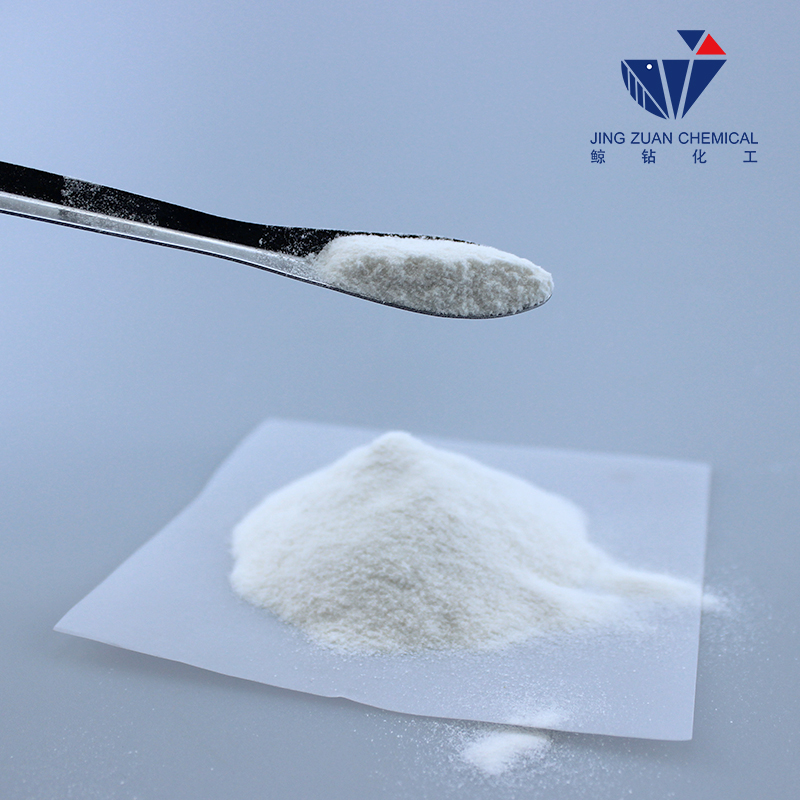
| Appearance | White to off-white powder |
Choosing Your HPMC Vendor: A Comparative Snapshot
| Vendor | Product Range | Certification | Lead Time | Price Level |
|---|---|---|---|---|
| CNJZ Chemical | Wide (industrial, pharma, food grades) | ISO 9001, GMP | 2-3 weeks | Competitive |
| GlobalCellulose Inc. | Selective grades for pharma & construction | ISO 13485 | 3-4 weeks | Mid-range |
| EcoPolymer Ltd. | Eco-friendly specialized HPMC | ISO 14001, USDA Organic | 4-6 weeks | Premium |
What Are the Advantages and Future of HPMC?
In real terms, HPMC offers a trifecta of benefits: cost efficiency, environmental friendliness, and versatile performance. It replaces petrochemical binders in many formulas, reducing carbon footprint, and it improves construction material lifespan, translating to fewer repairs and waste.
Buyers frequently mention the “feel-good” factor too — knowing their project uses a non-toxic, FDA-approved additive in food or medicine is reassuring on a human level.
Looking ahead, the HPMC landscape is evolving along with sustainability trends. There’s growing interest in bio-based variants, smarter formulations that respond dynamically to temperature or humidity changes, and digital cataloging for better supply-chain traceability. Automation in production also promises higher purity and consistency — which matters when you’re building skyscrapers or coating lifesaving tablets.
Mini takeaway: HPMC’s blend of reliability, safety, and sustainability ensures it remains a staple material even as industries transform.
Addressing Hurdles: Challenges and Simple Fixes
Of course, HPMC isn’t perfect. Batch consistency can fluctuate depending on raw cellulose input. Water sensitivity, while typically a benefit, sometimes causes complications in extreme humid climates. Also, its film-forming qualities mean sometimes it needs additives to optimize performance for niche uses.
Experts suggest tight raw material sourcing, advanced quality control technologies, and blending HPMC with compatible polymers can minimize issues. A little patience in custom tailoring always helps industries extract maximum benefit.
Frequently Asked Questions About hpmc stands for
-
Q: What applications make HPMC indispensable in construction today?
A: HPMC acts as a water retention agent and thickener in plaster, mortar, and tile adhesives, improving workability and durability by preventing premature drying. This leads to stronger, crack-resistant constructions. -
Q: Is HPMC safe for use in food and pharmaceuticals?
A: Absolutely. HPMC is FDA-approved for various pharmaceutical and food-grade uses, valued for its non-toxic, inert, and vegetarian-friendly properties. -
Q: How long can products containing HPMC last under harsh conditions?
A: Products with HPMC generally maintain integrity for years, thanks to its moisture stability and protective film formation. Real world usage in buildings and medicines confirms extended shelf life and durability. -
Q: Can NGOs import HPMC-based solutions easily for disaster relief?
A: Most major suppliers offer international shipping and bulk orders, and NGOs can tap into specialized grades optimized for quick-setting, reliable construction materials.
Wrapping Up: Why Understanding HPMC Stands For Matters
To circle back, knowing what hpmc stands for opens the door to appreciating one of today’s most fascinating polymer materials — reliable, sustainable, and downright indispensable in many sectors. Whether building faster, safer houses, improving medicines, or creating better food textures, HPMC quietly shapes the future.
For anyone interested in sourcing or learning more, don’t hesitate to visit our website — a place where science meets practical industrial solutions.
References
-
Understanding Hydroxypropyl Methyl Cellulose MSDS Safety and Compliance
NewsApr.16,2026
-
Understanding the Hydroxypropyl Methyl Cellulose HS Code for Global Trade
NewsApr.09,2026
-
Comprehensive Guide to Hydroxypropyl Methyl Cellulose CAS Number and Applications
NewsApr.07,2026
-
Comprehensive Guide to Hydroxypropyl Methyl Cellulose cas no and its Diverse Applications
NewsApr.04,2026
-
Comprehensive Guide to Hydroxypropyl Methyl Cellulose Manufacturers and Applications
NewsMar.31,2026
-
Understanding Hydroxypropyl Methyl Cellulose Properties And Diverse Applications
NewsMar.28,2026