
Dec . 13, 2025 23:55 Back to list
What is HPMC Chemical? Uses, Benefits, and Global Industry Insight
The Significance of HPMC Chemical: Unlocking Modern Industry Potential
Hydroxypropyl methylcellulose (commonly known as HPMC chemical) might sound like just another lab term, but it’s really a silent powerhouse across numerous industries worldwide. From construction and pharmaceuticals to food processing and even cosmetics, understanding what this compound does—and why it’s vital—can open up new opportunities for innovation, efficiency, and sustainability.
Globally, the demand for versatile, non-toxic, and eco-friendly additives like HPMC chemical is soaring. Manufacturers and researchers alike are increasingly relying on its unique properties to solve complex formulation challenges. Furthermore, as we hunt for greener, safer materials, HPMC fits the bill almost perfectly, making it an essential part of modern industrial chemistry.
Global Context: Why the World Needs HPMC Chemical More Than Ever
Tackling global hurdles such as resource scarcity, environmental preservation, and public health means turning to smarter materials. The World Bank estimates that the construction sector alone consumes roughly 36% of global energy and generates nearly 40% of CO2 emissions — shockingly high numbers that call for change.
In this light, HPMC chemical serves as a practical solution. By improving durability and water retention in building materials, it reduces the need for frequent repairs and resource waste. At the same time, the ISO has recognized cellulose derivatives, including HPMC, for their biocompatibility and renewability, aligning chemical manufacturing with the UN Sustainable Development Goals.
But here’s the kicker: while technology advances rapidly, many industries still wrestle with admixtures that lack consistency or environmental friendliness. HPMC chemical, with its well-proven safety profile and functional versatility, directly addresses these gaps. It’s sort of the middle ground where performance meets responsibility.
Defining HPMC Chemical: What is It, Really?
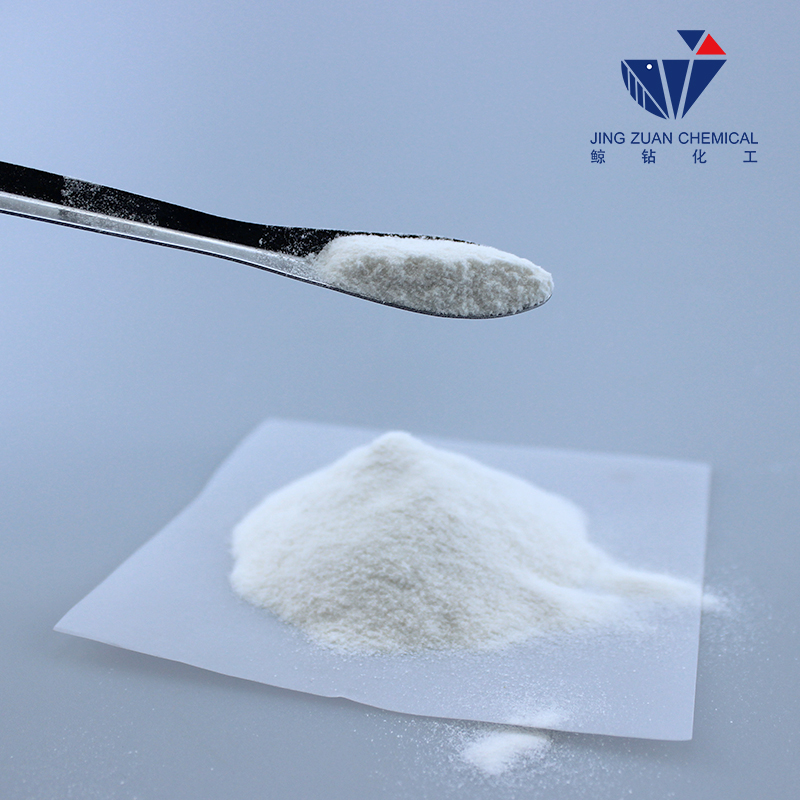
In plain language, HPMC chemical is a water-soluble cellulose ether derived from natural cellulose, which is extracted from wood pulp or cotton fibers. Think of it as a modified plant fiber that behaves like a superstar stabilizer, thickener, and film-former in formulations.
It’s widely used to modify texture and improve moisture retention without toxic side effects. In pharmaceuticals, it acts as a controlled-release agent; in construction, as an additive to enhance mortar and cement; and in food, as a reliable thickener and emulsifier.
The chemical’s natural origin combined with a synthetic twist gives it the flexibility to meet very particular industry specifications. This adaptability explains its growing footprint—from the skyscrapers of Dubai to the humble kitchens of family-run bakeries.
4 Key Traits of HPMC Chemical that Make It Industrially Indispensable
1. Water Retention & Workability
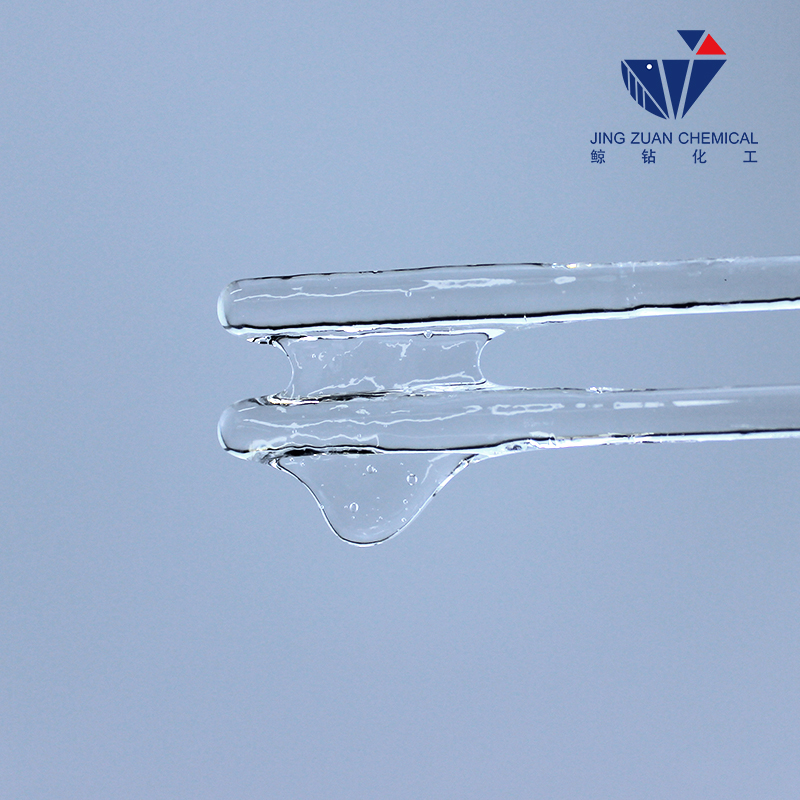
HPMC chemical can hold significant amounts of water, making mixtures smoother and easier to apply. For cementitious products, this means less cracking and better adhesion — translating into longer-lasting infrastructure.
2. Thermal Stability
One often overlooked aspect is HPMC’s stability under varying temperatures, which keeps products consistent whether you’re layering bricks in a humid jungle or freezing temperatures in Siberia.
3. Non-toxicity and Biocompatibility
Unlike other chemical additives, HPMC is regarded as safe for human contact and ingestion, which is why it’s approved by many food and drug agencies worldwide. In a world increasingly wary of synthetic chemicals, this factor is a clear winner.
4. Film-Forming Ability
This functionality is especially crucial in paints and coatings, where HPMC acts as a binder and enhances surface finish, helping products resist wear and weathering.
Real-World Uses: Where HPMC Chemical Shines Bright
From what I’ve seen, the applications are vast and growing:
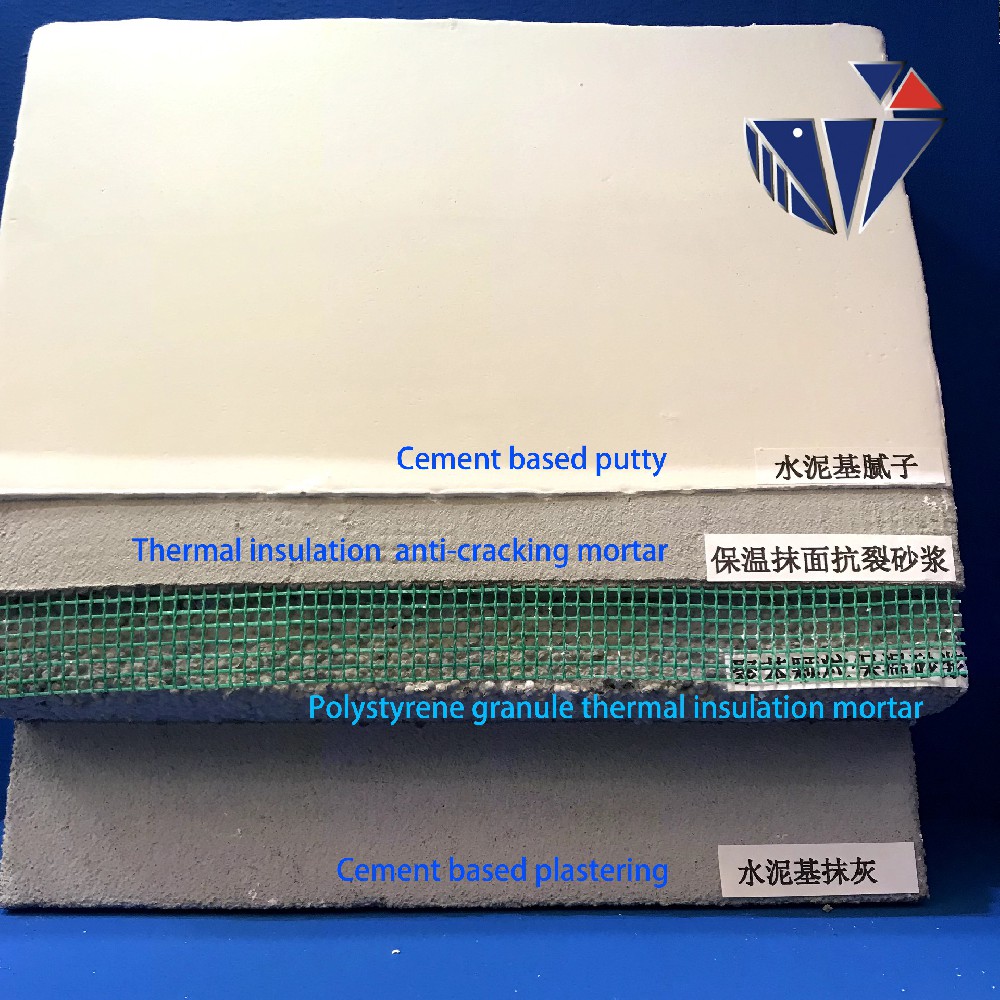
- Construction materials: In dry-mix mortars, tile adhesives, and plasters, it improves consistency and bonding strength.
- Pharmaceutical industry: Used in pill formulations for sustained drug release.
- Food production: Keeps bakery goods moist and improves texture.
- Cosmetics: Adds thickness and stability to lotions and creams.
- Oil drilling and mining: Acts as a lubricant and stabilizer in drilling fluids, helping control viscosity.
An interesting case: In post-disaster engineering projects—say, rebuilding after a cyclone—HPMC-enhanced mortars allow local teams to work faster and produce stronger housing with limited resources. That’s a practical, on-the-ground difference that many companies and NGOs are starting to notice.
The Advantages & Long-Term Value of Using HPMC Chemical
To put it bluntly, it saves time, money, and reduces waste. The cost efficiency stems from improved product performance—less rework and longer lifespan. Environmentally, it’s derived from renewable cellulose, which means it’s bio-based and biodegradable.
Socially, it supports safer consumer products and reduces harmful emissions in industrial applications. Emotionally, users often express trust and confidence knowing their materials are not only effective but responsibly sourced.
All of this comes together to create a compelling package of innovation meets sustainability. It feels like manufacturers who adopt HPMC are really hedging their bets for the future.
Future Trends: Technology and Sustainability in HPMC Chemical Development
Looking forward, the industry is moving toward even greener processing methods, including enzymatic modifications and bio-reactors that reduce environmental footprint.
Digitally driven material science is also allowing for more precise customization—tailoring HPMC grades to exact end-use requirements via AI models and machine learning. Automation in production also ensures tighter quality control, which means less variability batch-to-batch.
Furthermore, policy shifts toward circular economies and stricter regulations on solvent-based chemicals will likely increase HPMC demand. Frankly, it’s on track to become a benchmark additive in many standards worldwide.
Challenges & Solutions: Navigating Practical Limitations
No product is perfect, but with HPMC chemical, a few common issues include higher initial costs compared to some synthetic alternatives and sometimes limited solubility under extreme ionic conditions.
However, manufacturers are addressing these by developing specialized copolymers and blending HPMC with complementary additives to broaden performance windows. Expert collaborations are helping tweak molecular weights and substitution levels for optimized function.
Plus, as supply chains mature, pricing pressures ease and accessibility improves. The trend definitely leans toward wider adoption despite these early hurdles.
FAQ: Common Questions About HPMC Chemical
- What are the main differences between HPMC and other cellulose ethers?
- HPMC offers a broader thermal stability range and better water retention compared to other ethers like methylcellulose. It also tends to be more compatible with a variety of industries, from food to construction, due to its neutral pH and safety profile.
- How long does HPMC-enhanced mortar last in harsh environments?
- Typically, mortars containing HPMC last several years longer than traditional mixes because they resist cracking and maintain moisture better, but exact longevity depends on local climate and application quality.
- Is HPMC chemical environmentally friendly?
- Yes—derived from renewable cellulose and biodegradable, HPMC is considered eco-friendly. Its use can reduce harmful volatile emissions and solvent requirements in formulations.
- Can NGOs import HPMC chemical for use in disaster relief?
- Absolutely—the chemical is widely produced and traded globally. NGOs often work with suppliers to ensure compliance with import regulations and select grades suited for rapid housing and infrastructure repairs.
- Are there different grades of HPMC chemical for specific applications?
- Yes, manufacturers offer various viscosities, substitution patterns, and particle sizes tailored to different end uses—from fine powder for tablet coatings to coarser grades for cement additives.
Product Specifications of a Typical HPMC Chemical Grade
| Specification | Value / Range | Unit |
|---|---|---|
| Viscosity (2% solution, 20°C) | 2000–4000 | mPa·s |
| Methoxy Content | 19–24 | % |
| Hydroxypropyl Content | 4–12 | % |
| Moisture | ≤5.0 | % |
| pH (1% aqueous solution) | 5.0–8.0 | — |
Comparison of Leading HPMC Chemical Vendors
| Vendor | Quality Grades | Pricing Level | Global Reach | Sustainability Initiatives |
|---|---|---|---|---|
| Vendor A | Multiple Pharma & Construction Grades | Medium-High | Americas, Europe, Asia | ISO 14001 Certified, Carbon Neutral Goals |
| Vendor B | Standard Construction Grade | Competitive | Asia-Pacific Focus | Energy Saving Process, Waste Reduction Programs |
| Vendor C | Custom Grades Available | Premium | Global | Green Chemistry Partnerships, Biodegradable Products |
In Closing: Why HPMC Chemical Deserves Your Attention
If you’ve made it this far—thanks for sticking around! Frankly, whether you’re in a lab, a factory, or a policymaking office, HPMC chemical is quietly influencing many fields in meaningful ways. Its multifunctionality, combined with eco-conscious credentials, makes it hard to ignore for anyone serious about the future of industrial and consumer products.
For companies aiming to upgrade their raw materials or innovate responsibly, exploring hpmc chemical options is definitely worthwhile. There’s a reason this versatile chemical has remained a staple for decades—and why it’s primed to grow even more important.
So, interested in learning more or sourcing high-quality HPMC? Visit our website to get started!
Mini Takeaway:
- HPMC chemical is a versatile, safe cellulose derivative crucial to multiple industries worldwide.
- It enhances product performance, sustainability, and process efficiency simultaneously.
- Future innovation and environmental trends are setting HPMC for expanded use and improved formulations.
References
-
Understanding Hydroxypropyl Methyl Cellulose MSDS Safety and Compliance
NewsApr.16,2026
-
Understanding the Hydroxypropyl Methyl Cellulose HS Code for Global Trade
NewsApr.09,2026
-
Comprehensive Guide to Hydroxypropyl Methyl Cellulose CAS Number and Applications
NewsApr.07,2026
-
Comprehensive Guide to Hydroxypropyl Methyl Cellulose cas no and its Diverse Applications
NewsApr.04,2026
-
Comprehensive Guide to Hydroxypropyl Methyl Cellulose Manufacturers and Applications
NewsMar.31,2026
-
Understanding Hydroxypropyl Methyl Cellulose Properties And Diverse Applications
NewsMar.28,2026