
Dec . 14, 2025 02:35 Back to list
What is HPMC for Construction? Benefits, Uses, and Future Trends Explained
Understanding HPMC for Construction: Building Smarter, Safer, and Greener
When you drive past a bustling construction site or admire a soaring skyscraper, rarely do you pause to consider the subtle, often invisible elements that hold it all together. One such element is Hydroxypropyl Methylcellulose — or HPMC for construction, as the pros like to call it. This humble chemical additive might sound like jargon, but it quietly shapes how modern buildings meet today’s challenges of sustainability, durability, and rapid deployment.
Globally, the construction sector consumes roughly 40% of raw materials and contributes about 38% of carbon emissions (UN Environment Program, 2021). With urban populations swelling and infrastructure demands rising, innovations like HPMC help engineers and builders deliver structures that perform better, last longer, and have a smaller environmental footprint.
Why HPMC Matters in the Global Construction Landscape
The United Nations estimates that 68% of the world's population will live in urban areas by 2050, pushing the limits of traditional construction materials and techniques. Given these pressures, the industry’s focus has shifted toward materials that improve workability, enable faster construction cycles, and promote sustainability. HPMC for construction comes in as an essential player; it enhances the qualities of cement, plaster, mortar, and other composites — enabling them to better meet the demands of modern builds.
Yet despite its crucial role, many still overlook how additives like HPMC can mitigate problems such as cracking, water retention issues, and poor adhesion — all of which ultimately save time, money, and energy.
What Exactly Is HPMC in Construction?
Hydroxypropyl Methylcellulose (HPMC) is a water-soluble polymer derived from cellulose, the natural fiber found in plants. Within construction, it serves primarily as a thickener, binder, water-retention agent, and stabilizer. You can think of it as the magician behind the scenes that smooths out mortar mixes, prolongs workability times, and boosts adhesion to surfaces.
In practical terms — it makes your plaster less likely to crack, your tile adhesive less prone to drying out too quickly, and your cement mixture easier to handle in tricky weather conditions. This means fewer callbacks, less waste, and better quality finish. Plus, it aligns nicely with green building principles thanks to its bio-based origin.
Key Attributes That Make HPMC a Construction Staple
1. Durability Enhancement
HPMC improves the overall mechanical properties of mortars and renders, making structures more resilient to environmental elements such as moisture and temperature fluctuations. By controlling moisture loss, it prevents premature drying and cracking.
2. Workability and Application Ease
Whether you’re a mason or an industrial applicator, easier handling matters enormously. HPMC extends the open time of mixtures, giving workers more leeway during application.
3. Water Retention Capability
This is vital in preventing shrinkage and ensuring proper curing. Without adequate water retention, cement and plasters can dry too fast, leading to weaker bonds — and nobody wants that.
4. Adhesion Promoter
HPMC improves the stickiness of tile adhesives or plaster to various substrates, from concrete to drywall, making sure materials adhere longer and stronger.
5. Compatibility & Versatility
It works harmoniously with many other additives, chemicals, and cement varieties, making it a go-to standard for multiple construction products.
Mini Takeaway:
Simply put, HPMC helps construction materials behave better: stronger, stickier, and more user-friendly. For a world that needs fast, reliable, and sustainable building solutions, that’s kind of a big deal.
Real-World Applications of HPMC in Construction
You might not see it, but HPMC is everywhere around you:
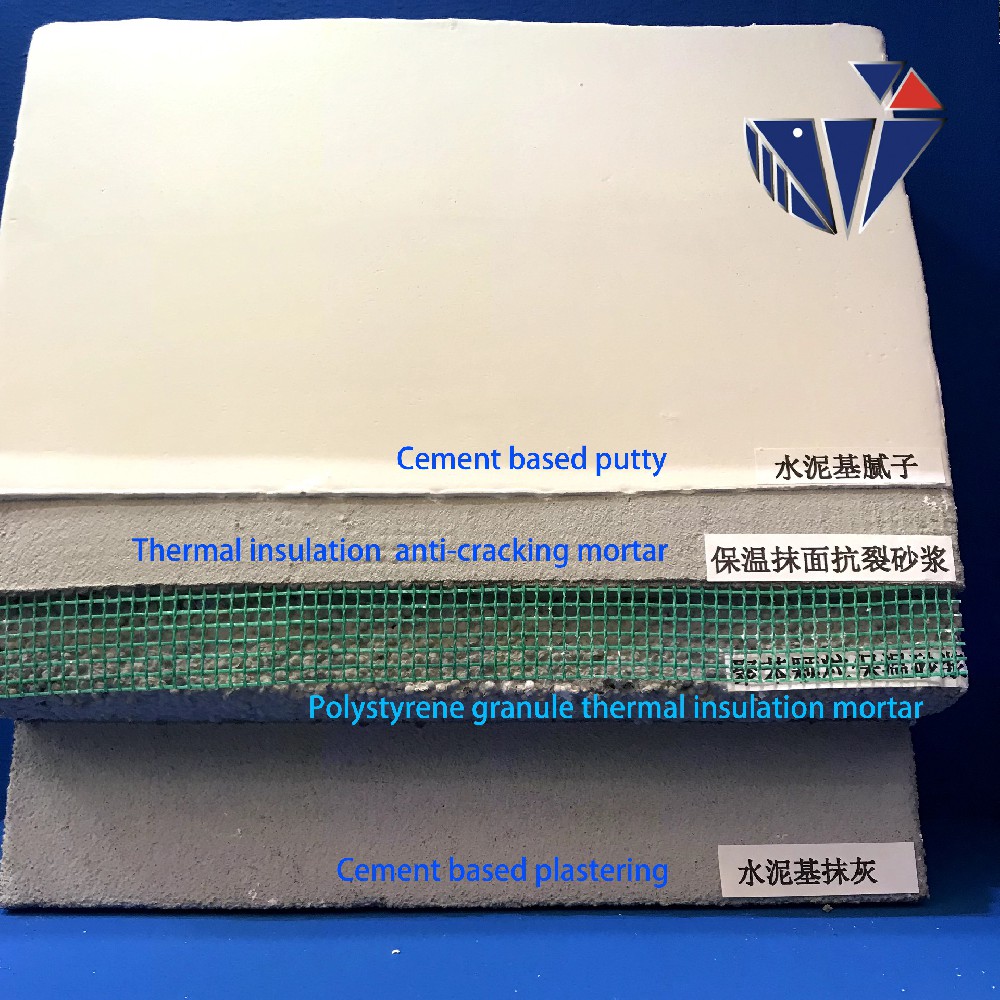
- Mortar & Plaster: Prevents cracking and improves spreadability. In drought-prone regions, this can be a literal lifesaver.
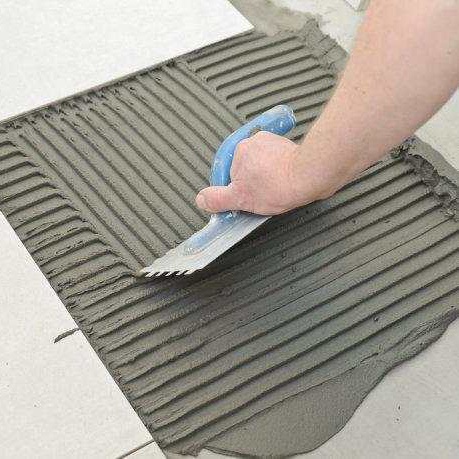
- Tile Adhesives: In regions like Southeast Asia and the Mediterranean, where humidity is brutal, HPMC keeps adhesives workable and bonding strong.
- Dry Mixes & Self-leveling Compounds: Ever noticed how some floor screeds flow smoother? HPMC’s behind that magic.
- Post-Disaster Housing: In earthquake or flood zones, rapid rebuilding is key. HPMC-enhanced mortars let NGOs erect safe, durable shelters faster.
- Industrial Sites: Remote mining or energy extraction outposts use HPMC to ensure cement mixtures withstand extreme conditions.
Mini Takeaway:
The versatility of HPMC for construction means it's a quiet hero from city centers to disaster recovery zones, supporting safety and quality every step of the way.
The Advantages and Long-Term Value of HPMC
Let’s talk benefits — not just about technical specs, but what truly matters:
- Cost Savings: Reduced material waste and fewer repairs mean bottom-line improvements.
- Environmental Sustainability: Derived from cellulose, HPMC is renewable and helps produce longer-lasting structures, lowering resource consumption.
- Improved Worksite Safety: Easier application and longer open times reduce rushed jobs, minimizing accidents.
- Enhanced Quality and Aesthetics: Even finish textures, less cracking, and stronger bonds make end-users happier.
- Social Impact: In developing countries or disaster zones, HPMC-enhanced materials speed up rebuilding and restore dignity to affected families.
Mini Takeaway:
Using HPMC touches more than just the physical side of construction — it impacts economy, environment, and humanity itself.
Current Trends and Future Innovations in HPMC Usage
The construction industry never slows down, and HPMC formulations are evolving, too. Several exciting trends include:
- Green Building Certifications: Increasingly, HPMC grades comply with LEED and other green standards.
- Nanotechnology Integration: Enhanced particle dispersal and reactivity improve additive efficiency.
- Digital Mix Optimization: Smart sensors track mortar flow and setting times affected by HPMC levels.
- Bio-based Additives: Research aims to couple HPMC with other natural polymers to make entirely eco-friendly composites.
In sum, innovation here is not just about chemistry but how those chemicals meet automation, data, and sustainability goals.
Challenges Facing HPMC and How We Overcome Them
Nothing’s perfect, not even HPMC for construction. Some common hurdles include:
- Price Sensitivity: Quality HPMC isn’t always cheapest, especially in low-margin markets.
- Formulation Complexity: Overdosing or mismatched mixes can backfire.
- Supply Chain Variability: Raw cellulose sources can fluctuate, affecting quality consistency.
Expert Advice: Working closely with trusted suppliers and running pilot mixes before scaling helps prevent costly mistakes — and leads to better, reproducible results.
Product Specification Table for Typical Construction-Grade HPMC
| Parameter | Typical Value | Unit |
|---|---|---|
| Methoxy Content | 19 - 24 | % |
| Hydroxypropyl Content | 4 - 12 | % |
| Viscosity (2% solution) | 2000 - 4000 | mPa·s |
| pH (2% solution) | 6.5 - 8.5 | – |
| Loss on Drying | 5 - 7 | % |
Vendor Comparison: HPMC Suppliers in Construction
| Supplier | Global Reach | Product Range | Sustainability Focus | Typical Lead Time |
|---|---|---|---|---|
| Supplier A | Global (50+ countries) | Wide (Standard + Custom Grades) | High (Eco-certifications) | 2–4 weeks |
| Supplier B | Regional (Asia-Pacific) | Medium (Mostly Standard) | Medium (Some Green Initiatives) | 1–3 weeks |
| Supplier C | Local/Import Specialist | Niche (Custom Formulations) | Variable | 4–6 weeks |
FAQ: Common Questions About HPMC for Construction
- Q: How does HPMC improve the working time of cement mixtures?
- By acting as a water retention agent, HPMC slows down the evaporation of water from fresh cement or mortar, giving workers more time to apply and adjust materials before they begin to set.
- Q: Is HPMC environmentally friendly?
- Yes. Since it’s derived from cellulose, a natural polymer, HPMC is considered renewable and biodegradable, making it compatible with sustainable construction goals.
- Q: Can HPMC be used in extreme weather conditions?
- Absolutely. Its water retention and thickening properties help mixtures resist drying out in hot climates or rapid freeze-thaw cycling, improving durability under diverse conditions.
- Q: What industries beyond traditional construction benefit from HPMC?
- Besides buildings, industries like tile manufacturing, refractory installation, and even post-disaster shelter construction rely on HPMC-enhanced materials.
Wrapping It Up: Why HPMC Is Essential for Tomorrow’s Builds
In a nutshell, HPMC for construction is the unsung workhorse that supports modern demands for faster, safer, and greener building practices. From urban high-rises to emergency shelters, it offers a blend of practicality, environmental mindfulness, and technical performance that’s hard to match.
Curious to explore the potential of HPMC in your next project? Don’t hesitate to discover more about hpmc for construction and how it can shape your builds sustainably.
References
-
Understanding Hydroxypropyl Methyl Cellulose MSDS Safety and Compliance
NewsApr.16,2026
-
Understanding the Hydroxypropyl Methyl Cellulose HS Code for Global Trade
NewsApr.09,2026
-
Comprehensive Guide to Hydroxypropyl Methyl Cellulose CAS Number and Applications
NewsApr.07,2026
-
Comprehensive Guide to Hydroxypropyl Methyl Cellulose cas no and its Diverse Applications
NewsApr.04,2026
-
Comprehensive Guide to Hydroxypropyl Methyl Cellulose Manufacturers and Applications
NewsMar.31,2026
-
Understanding Hydroxypropyl Methyl Cellulose Properties And Diverse Applications
NewsMar.28,2026