
Dec . 11, 2025 09:50 Back to list
What Is HPMC? Hydroxypropyl Methylcellulose Explained Clearly
What Is HPMC? A Quick Guide From the Shop Floor
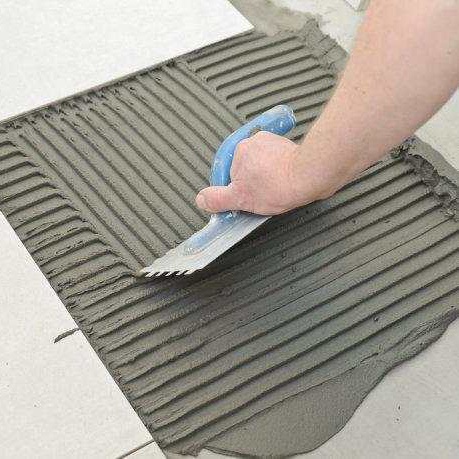
So, you’ve probably come across the term HPMC—Hydroxypropyl Methylcellulose, if you want to get all fancy with the full chemical name. I first bumped into HPMC about a decade ago when working on a project that involved drywall compounds and tile adhesives. Frankly, it felt a bit like alchemy at first, but once you wrap your head around what it does, this stuff is just fascinating.
In the industrial equipment sector, HPMC has carved itself a pretty solid reputation. It's an organic polymer, synthesized from cellulose (that’s basically plant fiber), and it's prized for its thickening, binding, and water-retention qualities. Oddly enough, what really draws many engineers—including myself—is how versatile and reliable it is across different formulations.
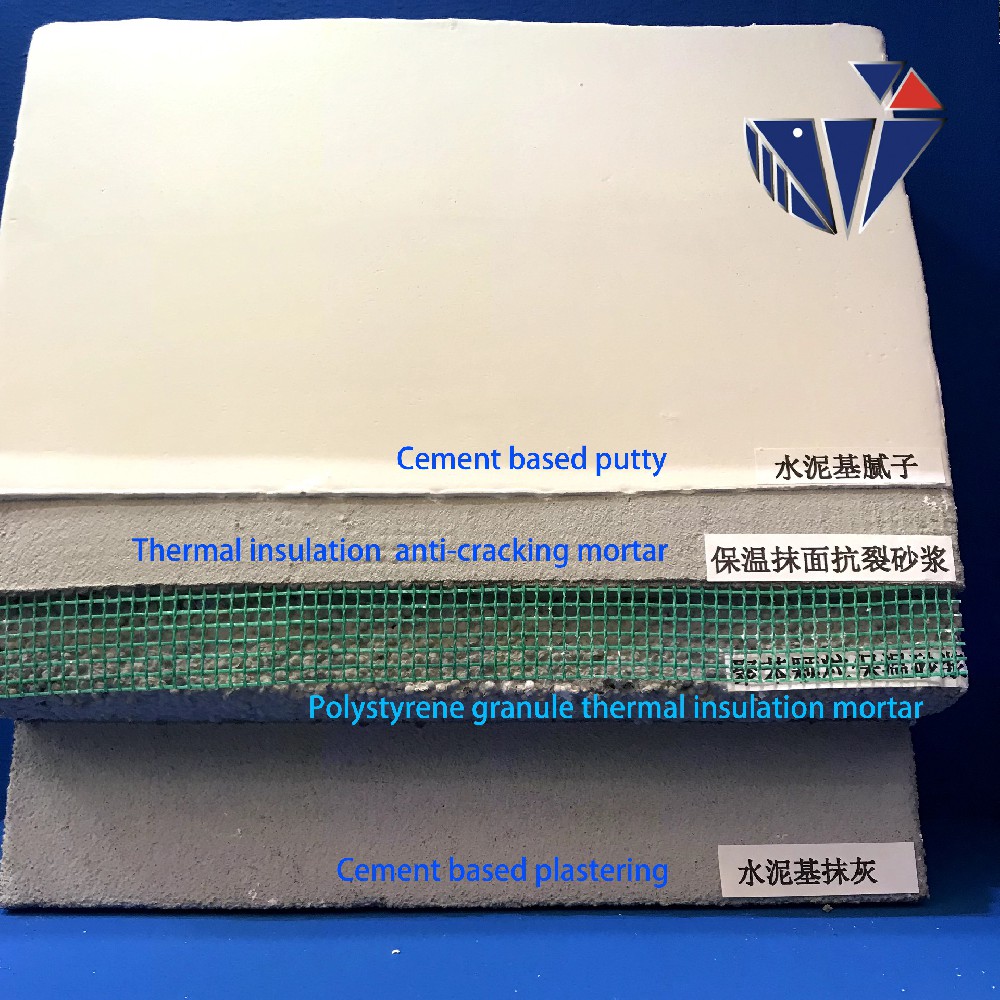
In real terms, if you’re dealing with coatings, adhesives, cement-based products, or even something like pharmaceuticals, HPMC is kind of the unsung hero improving workability and consistency. You might find yourself wondering how you ever managed without it.
Product Specifications At a Glance
| Property | Typical Value | Units |
|---|---|---|
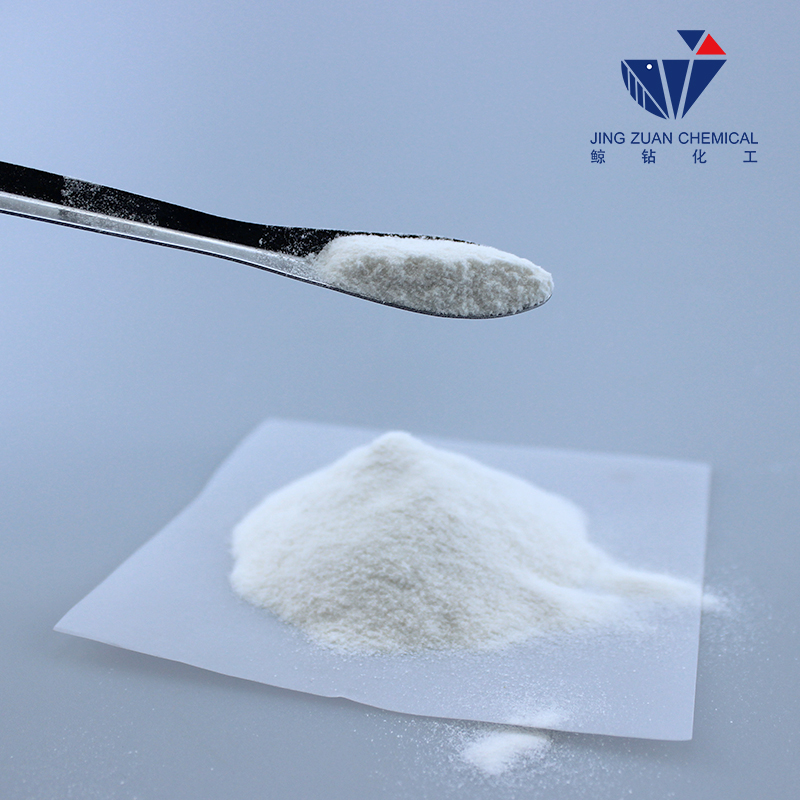
| Appearance | White powder | - |
| Methoxy Content | 19–24 | % |
| Hydroxypropoxy Content | 4–12 | % |
| Viscosity (2% solution at 20°C) | 100,000 ± 10,000 | mPas |
| pH (2% solution) | 5.0–8.0 | - |
I've noticed a strong preference for HPMC sourced from reliable suppliers, especially when consistent quality is critical. After all, when you’re blending batches for large-scale industrial use, small changes in viscosity or particle size can mean the difference between smooth application and frustrating downtime.
Comparing HPMC Vendors: What to Look For
| Vendor | Viscosity Range (mPas) | Methoxy % | Packaging Options | Typical Lead Time |
|---|---|---|---|---|
| CNJZ Chemical | 50,000 - 200,000 | 19 - 24 | 25kg bags, 500kg jumbo bags | 2-3 weeks |
| Vendor A | 30,000 - 150,000 | 18 - 22 | 20kg bags, bulk | 3-4 weeks |
| Vendor B | 80,000 - 220,000 | 20 - 25 | 25kg bags only | 1-2 weeks |
If you’re curious—and sometimes I get this question a lot—why one might opt for HPMC from a source like CNJZ Chemical, it often boils down to that sweet spot of quality, price, and supply reliability. I remember one project where we shifted suppliers last minute and, unexpectedly, the product consistency improved noticeably. That really drove home how much subtle differences in HPMC characteristics impact the final product.
Beyond specs, what’s cool about HPMC is how customizable it is. Adjusting the methoxy and hydroxypropoxy content affects solubility and gelation, which means you can tailor it for specific applications—say, a tile adhesive that needs just the right slip or a paint that must resist sagging. It really lets formulators engineer the flow and texture precisely, rather than settling for “close enough.”
To wrap things up: Hydroxypropyl Methylcellulose might sound like jargon, but it’s a workhorse ingredient that makes many industrial products work better and last longer. If you’re picking materials for your next project, don't overlook this versatile additive.
I hope this gives you a practical sense of what HPMC can do. If you want to dive deeper or check specific grades, you might want to explore trusted suppliers to see what fits your needs best.
References:
1. CNJZ Chemical - Product Data Sheets
2. Industry forums and supplier technical notes
3. My own years of working with cementitious and polymer-based building materials
-
Understanding Hydroxypropyl Methyl Cellulose MSDS Safety and Compliance
NewsApr.16,2026
-
Understanding the Hydroxypropyl Methyl Cellulose HS Code for Global Trade
NewsApr.09,2026
-
Comprehensive Guide to Hydroxypropyl Methyl Cellulose CAS Number and Applications
NewsApr.07,2026
-
Comprehensive Guide to Hydroxypropyl Methyl Cellulose cas no and its Diverse Applications
NewsApr.04,2026
-
Comprehensive Guide to Hydroxypropyl Methyl Cellulose Manufacturers and Applications
NewsMar.31,2026
-
Understanding Hydroxypropyl Methyl Cellulose Properties And Diverse Applications
NewsMar.28,2026