
Dec . 03, 2025 11:36 Back to list
What Is Hydroxyethyl Cellulose Used For? Applications & Supplier Notes
What Is Hydroxyethyl Cellulose Used For?
Having spent over a decade in the industrial equipment sector, I can tell you that hydroxyethyl cellulose (commonly abbreviated as HEC) is one of those versatile compounds that keeps popping up in various applications — sometimes in ways you wouldn’t immediately expect.
So, what exactly is hydroxyethyl cellulose used for? Well, it’s basically a non-ionic, water-soluble polymer derived from cellulose, which is itself a natural polymer found in plants. Oddly enough, this derivative's unique molecular structure gives it a remarkable ability to thicken, stabilize, and even bind different mixtures. If you’ve ever dealt with industrial paints, adhesives, or even cosmetics, you’ve probably encountered HEC, even if only indirectly.
In real terms, many engineers and chemists I’ve worked alongside rave about HEC because it provide a stable, adjustable viscosity in aqueous systems. It’s kind of like the behind-the-scenes star player — quietly adding consistency and texture without interfering with a product’s main function. For instance, in drilling fluids used in oil and gas exploration, it helps to maintain the right flow properties, preventing solids from settling and protecting equipment from corrosion. I remember a project where fine-tuning HEC concentration drastically improved drilling efficiency; that was pretty telling about how crucial it is.
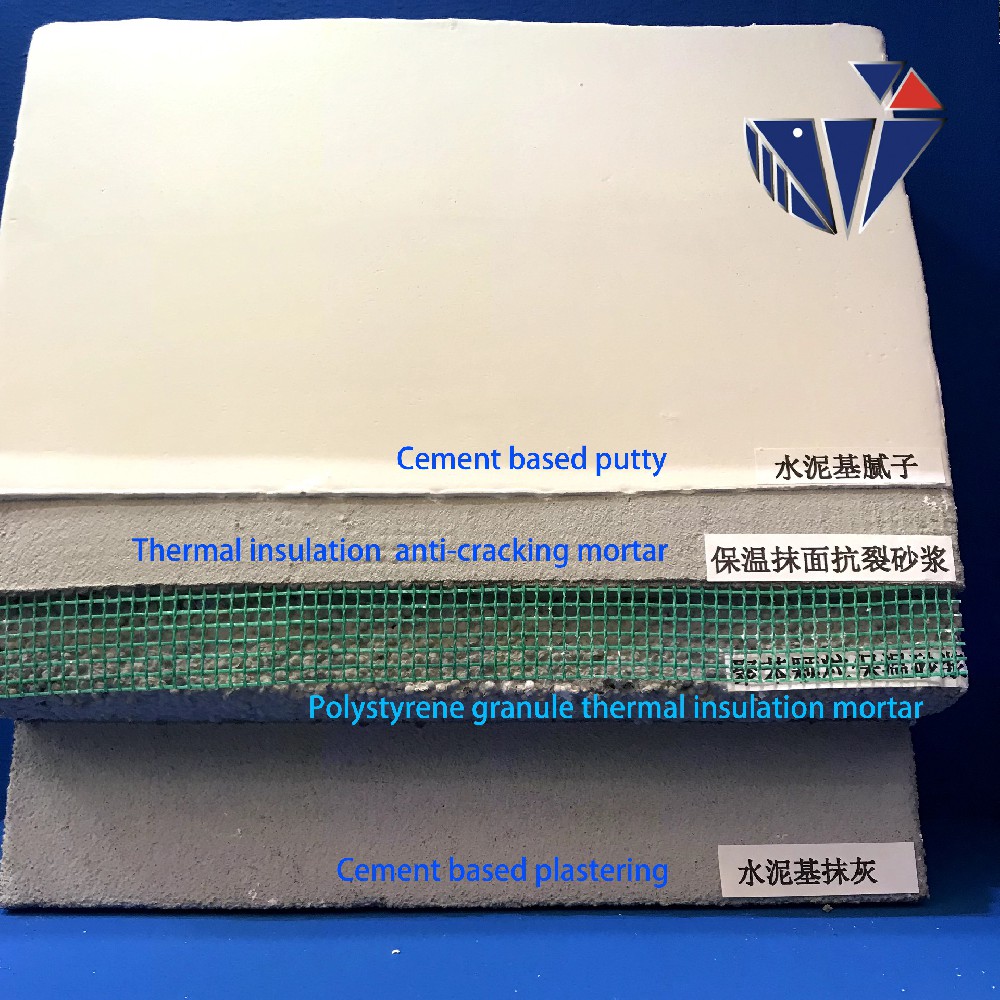
Another notable application is in construction materials. It’s a common thickener in tile adhesives, cement mortars, and renders. Here, it improves water retention and workability, allowing the mixture to stay workable longer without drying out prematurely — which, frankly, can be a lifesaver on larger sites with varying weather conditions.
What might surprise you is its role in personal care products, like shampoos and lotions. Because it’s safe and non-toxic, formulators use it to give products a smooth texture and improve spreadability. Oddly enough, it can even form films, so you get a nice feel on the skin without any stickiness, which customers appreciate.
Before going further, here’s a quick specs snapshot of typical industrial-grade hydroxyethyl cellulose:
| Specification | Typical Range / Value |
|---|---|
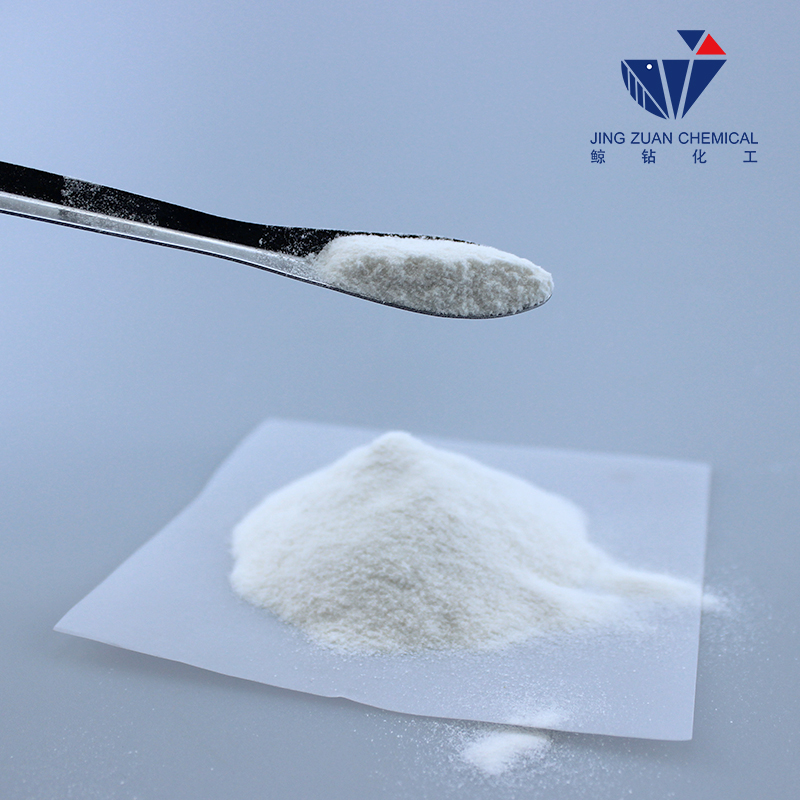
| Appearance | White to off-white powder or granules |
| Solubility | Water-soluble |
| Viscosity (2% solution, 20°C) | 100 – 10,000 mPa·s (adjustable by grade) |
| pH (1% solution) | 6.0 – 8.0 |
| Moisture Content | max 5% |
When choosing a supplier for hydroxyethyl cellulose, the quality consistency and availability of different viscosity grades are crucial. From my own experience, subtle differences in grade or purity can affect the final product — say, an adhesive’s drying time or a paint’s spreadability — so it pays to shop around.
Here’s a comparison of a few well-known suppliers — this should give you a quick overview of what’s commonly offered:
| Vendor | Viscosity Grades | Typical MOQ | Global Availability | Notable Features |
|---|---|---|---|---|
| CNJZ Chemical | 100 - 10,000 mPa·s | 1 Ton | Worldwide | Consistent quality, custom grades |
| Dow Chemical | Varies widely | 5 Tons | Global | Broad product line, technical support |
| Ashland | 250 - 7,000 mPa·s | 2 Tons | North America & Asia | Customized solutions, purity focus |
Like any raw material, what really matters is matching your exact needs to the product specs and supplier reliability. I recall a case where a mid-sized manufacturer switched to CNJZ Chemical’s HEC grades for their tile adhesive formulations. The product performance stabilized, and customers noticed smoother application and less drying cracks. It feels like a small change, but trust me, industrial formulations depend on these nuanced tweaks.
In summary, hydroxyethyl cellulose is kind of an unsung hero in several industries because it reliably enhances product performance without being flashy. Whether it’s thickening, stabilizing, or improving texture, its role is subtle yet indispensable. If your industry involves aqueous formulations, HEC is well worth a look. And if you want to find a reliable source for high-quality HEC, hydroxyethyl cellulose from CNJZ Chemical might just be that dependable partner.
Thanks for reading; I suppose the takeaway here is this: sometimes the smallest additive can truly transform how a product behaves, and hydroxyethyl cellulose is a classic example.
References:
1. Industrial Applications of Hydroxyethyl Cellulose, Journal of Polymers, 2021.
2. CNJZ Chemical Product Data Sheets, 2023.
3. Field Notes from Oil & Gas Drilling Sites, 2015-2020.
-
Understanding Hydroxypropyl Methyl Cellulose MSDS Safety and Compliance
NewsApr.16,2026
-
Understanding the Hydroxypropyl Methyl Cellulose HS Code for Global Trade
NewsApr.09,2026
-
Comprehensive Guide to Hydroxypropyl Methyl Cellulose CAS Number and Applications
NewsApr.07,2026
-
Comprehensive Guide to Hydroxypropyl Methyl Cellulose cas no and its Diverse Applications
NewsApr.04,2026
-
Comprehensive Guide to Hydroxypropyl Methyl Cellulose Manufacturers and Applications
NewsMar.31,2026
-
Understanding Hydroxypropyl Methyl Cellulose Properties And Diverse Applications
NewsMar.28,2026