
Dec . 02, 2025 15:58 Back to list
What is Hydroxypropyl Methyl Cellulose? Uses, Benefits & Applications Explained
What is Hydroxypropyl Methyl Cellulose? A Key Ingredient in Modern Industry
You might have come across the term hydroxypropyl methyl cellulose (HPMC) in technical datasheets or when browsing construction materials. But what is hydroxypropyl methyl cellulose, really? It’s actually a remarkable chemical derivative, widely used across industries — from construction to pharmaceuticals — thanks to its unique properties. Understanding it matters globally because it enables innovations in sustainability, health, and manufacturing efficiency. Randomly slapping the term into conversations won’t help; knowing what it does will.
Introduction: The Global Relevance of Hydroxypropyl Methyl Cellulose
The world’s industrial and healthcare landscapes keep evolving at a fast pace. According to the United Nations Industrial Development Organization (UNIDO), sustainable materials and additives that boost product quality with less environmental harm are priorities. HPMC fits right into this puzzle. For example, in the global construction market—which the World Bank reports will grow by over 70% by 2030—HPMC plays a critical role as an additive enhancing workability and durability of cement and plaster products. But beyond construction, it’s a problem-solver addressing challenges like product consistency, moisture retention, and eco-friendliness.
In fact, with industries leaning more toward biodegradable and renewable materials, the demand for cellulose derivatives like HPMC keeps rising. The key question is: what is hydroxypropyl methyl cellulose’s role in enabling these industrial shifts?
Definition & Meaning: What Exactly is Hydroxypropyl Methyl Cellulose?
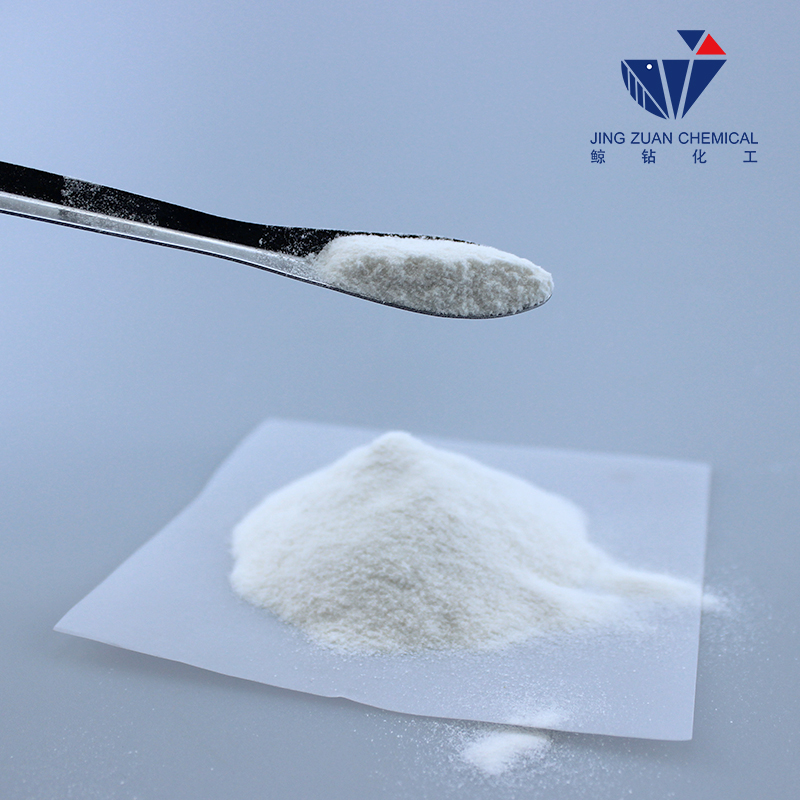
Simply put, hydroxypropyl methyl cellulose is a chemically modified cellulose, which comes from natural sources such as wood pulp or cotton fibers. By introducing hydroxypropyl and methyl groups, the molecule gains new properties: it's water-soluble, forms gels or films, and acts as a thickening or stabilizing agent in various formulations. It’s a kind of "bio-polymer" that blends nature with modern chemistry.
In industrial contexts, HPMC offers flexibility. It can make a paint paintable, a mortar easier to spread, or a tablet dissolve slowly in your body. Oddly enough, this versatility ties directly to pressing humanitarian needs—imagine consistent medicine production or reliable building materials in disaster-prone regions. Understanding what is hydroxypropyl methyl cellulose therefore transcends technical curiosity; it’s about dependable solutions.
Core Components & Key Factors of HPMC
1. Water Solubility
Unlike some additives, HPMC dissolves easily in cold water, which makes it perfect for aqueous systems. This affects everything from how quickly a dry mix reacts to moisture, to how smooth the final product feels.
2. Viscosity Control
HPMC can increase the thickness of liquids without altering their chemical makeup. This property is prized in coatings and adhesives for creating consistent layers and adhesion.
3. Film-Forming Ability
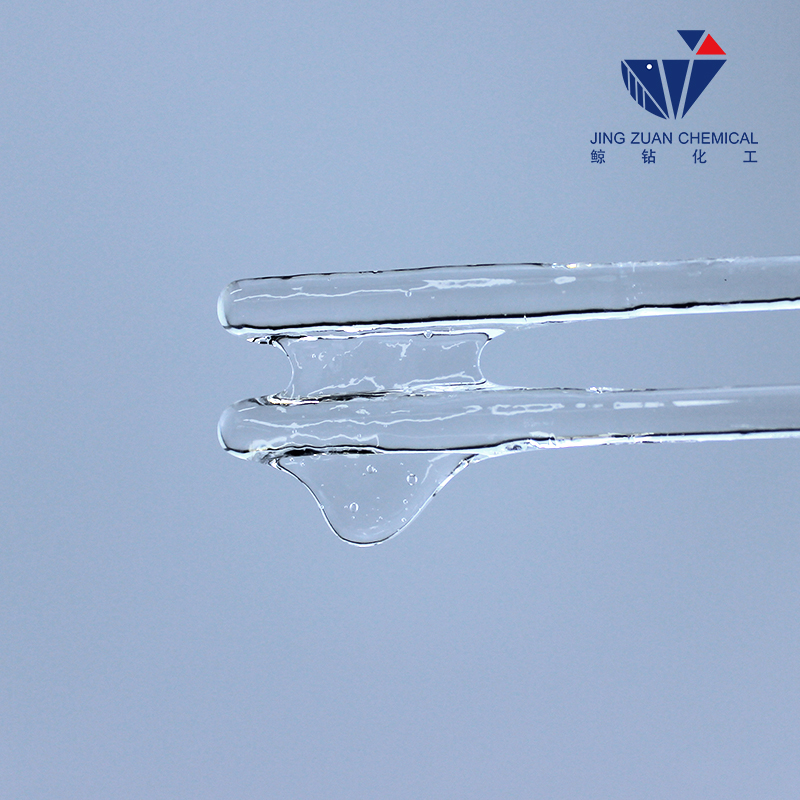
Because of its polymer nature, it creates thin, durable films upon drying. This makes it valuable for protective coatings or pharmaceuticals that require controlled release.
4. Thermal Gelation
At higher temperatures, HPMC gels. That might sound like a quirky lab fact, but in plaster or cement, this helps retain water and improve curing times—crucial for construction quality.
5. Compatibility with Other Polymers
It can mix well with other materials, both natural and synthetic, amplifying performance while maintaining eco-friendliness.
Mini Takeaway
To quickly sum up: hydroxypropyl methyl cellulose is a natural-based chemical polymer prized for solubility, viscosity control, film formation, and thermal properties, making it a go-to additive in many industrial formulas.
Global Applications & Use Cases of Hydroxypropyl Methyl Cellulose
The real magic lies in its applications. For instance:
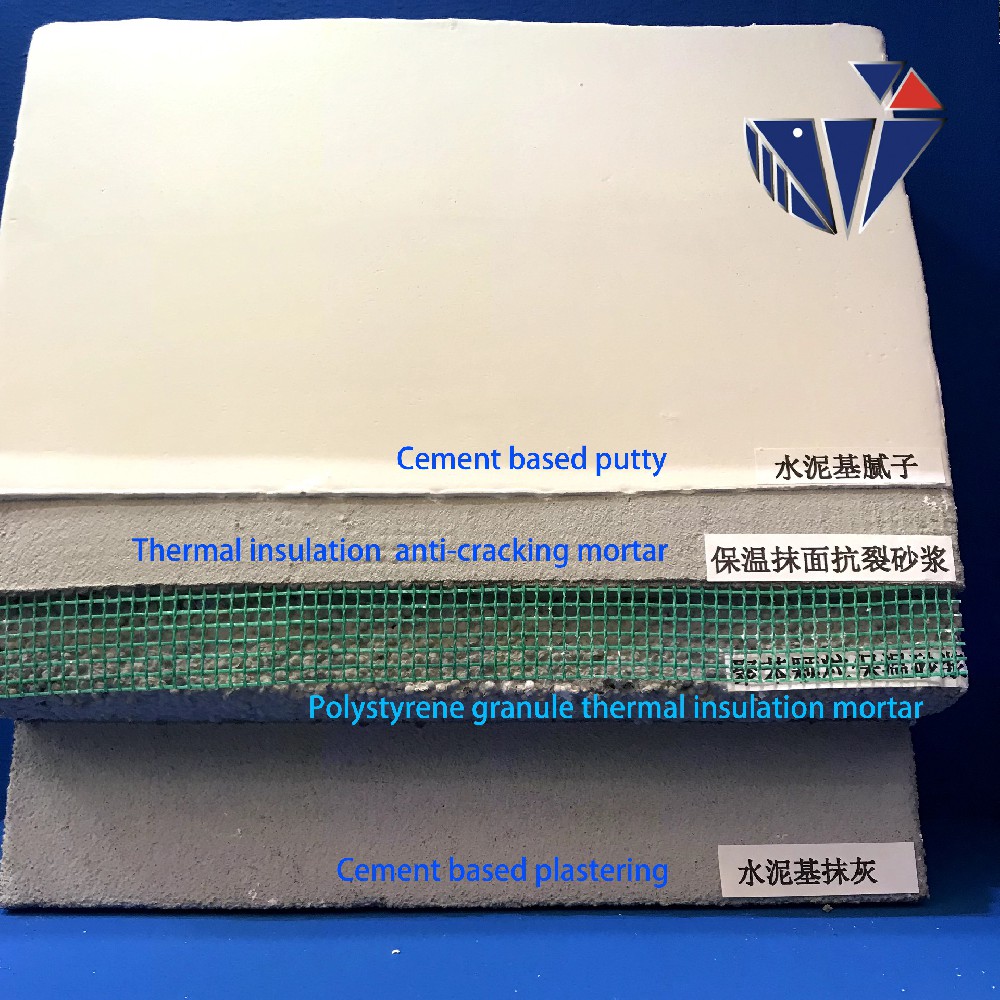
- Construction Industry: Used as a thickener and water retention agent in cement, mortar, and plaster. This improves workability and durability of buildings worldwide.
- Pharmaceuticals: Acts as a binder and controlled-release agent in tablets, ensuring precise medication delivery.
- Food Industry: Functions as a stabilizer and thickening agent in gluten-free or vegan foods.
- Cosmetics: Provides texture and stability in lotions and creams.
- Paints & Coatings: Keeps pigments suspended and enhances spreadability.
Regions in Asia and Europe currently lead in large scale use, especially China and Germany, where industrial chemical manufacturing shows robust investments. Plus, NGOs working in disaster relief rely on stable building materials enhanced with HPMC to ensure fast reconstruction.
Product Specifications of Common HPMC Grades
| Grade | Methoxy Content (%) | Hydroxypropyl Content (%) | Viscosity (mPa·s) | Applications |
|---|---|---|---|---|
| HPMC 50M | 19–24 | 4–12 | 4000–10000 | Construction, Paints |
| HPMC 15LV | 19–24 | 7–12 | 8–15 | Pharmaceutical, Food |
| HPMC 100G | 28–30 | 4–9 | 2500–4500 | Cosmetics, Detergents |
Vendor Comparison for Hydroxypropyl Methyl Cellulose Suppliers
| Supplier | Product Quality | Price Range | Global Availability | Technical Support |
|---|---|---|---|---|
| CNJZ Chemical | High-grade, consistent | Competitive | Global | Responsive, knowledgeable |
| Ashland | Premium, certified | High | Global | Excellent |
| Dow Chemical | Reliable, wide variety | Moderate | Global | Good |
Advantages & Long-Term Value of Hydroxypropyl Methyl Cellulose
Why do industries stick with HPMC? Here are the key benefits:
- Cost Efficiency: Because it improves product consistency and reduces waste, it lowers long-term expenses despite upfront costs.
- Sustainability: Derived from renewable cellulose, it fits with global moves toward biodegradable additives.
- Reliability: Helps stabilize products against environmental changes —humidity, temperature—yielding safer, more predictable performance.
- Social Impact: Imagine medicines that dissolve correctly or stronger building materials in vulnerable communities — that’s reliable safety and dignity.
Industries report that HPMC’s balance of function and sustainability makes it a trusted partner for product development and innovation projects.
Future Trends and Innovations
Looking ahead, the hydroxypropyl methyl cellulose world seem poised for some interesting changes:
- Green Chemistry Advances: New extraction and modification techniques aim to reduce solvents and energy use during production.
- Digital Formulation: AI-driven modeling predicts the best HPMC grades for specific applications quickly, saving research time.
- Blends with Nanomaterials: Scientists experiment with combining HPMC and nanocellulose to improve mechanical strength and biodegradability.
- Regulatory Evolution: Stricter standards from ISO and FDA encourage higher purity and better documentation — raising trust even further.
Challenges & Practical Solutions
Of course, it’s not all perfect. HPMC faces some limitations, notably:
- Moisture Sensitivity: It can absorb water uncontrollably if not properly stabilized, affecting shelf life.
- Cost Fluctuations: Derived from natural cellulose, supply chain issues sometimes cause price volatility.
- Application Limits: Not suitable for all chemical environments — it can swell or degrade with strong acids or bases.
What do experts suggest? Microencapsulation and hybrid polymer blends are being tested to enhance stability. Also, sourcing from multiple regions prevents shortages. These are encouraging signs of an advancing field.
FAQ: Common Questions About What is Hydroxypropyl Methyl Cellulose
- What are the main applications of hydroxypropyl methyl cellulose?
- HPMC is primarily used as a thickener, binder, and stabilizer in construction materials, pharmaceuticals, food, cosmetics, and paints. Its versatility comes from its water solubility and film-forming ability.
- Is hydroxypropyl methyl cellulose safe for food and medicines?
- Yes, HPMC is generally recognized as safe (GRAS) by regulatory bodies like the FDA and EFSA. It’s widely used in edible coatings and controlled-release drug formulations.
- How does HPMC improve mortar and plaster?
- It improves water retention, workability, and adhesion, resulting in smoother application and enhanced long-term durability of cementitious products.
- Can HPMC be used in eco-friendly manufacturing?
- Absolutely. Since it originates from natural cellulose and is biodegradable, it supports sustainability efforts in various industries.
- Where can I learn more about hydroxypropyl methyl cellulose?
- For a deeper dive, check out resources like what is hydroxypropyl methyl cellulose, as well as technical pages from UNIDO or ASTM International.
Conclusion: Why Understanding Hydroxypropyl Methyl Cellulose Matters
In a nutshell, hydroxypropyl methyl cellulose is more than just a chemical additive; it’s a bridge between natural raw materials and high-tech solutions. Its role in improving product performance while aligning with sustainability targets means it has a strong future across multiple sectors. Learning about what is hydroxypropyl methyl cellulose not only opens doors to smarter industry choices but also to safer, greener products that serve humanity better.
If you want to explore detailed specifications or discuss custom grades for your applications, feel free to visit our website and reach out.
Oh, and a quick takeaway: master the fundamentals of HPMC now, and you’re a step ahead in many fields—from pharma to construction.
References:
-
Understanding Hydroxypropyl Methyl Cellulose MSDS Safety and Compliance
NewsApr.16,2026
-
Understanding the Hydroxypropyl Methyl Cellulose HS Code for Global Trade
NewsApr.09,2026
-
Comprehensive Guide to Hydroxypropyl Methyl Cellulose CAS Number and Applications
NewsApr.07,2026
-
Comprehensive Guide to Hydroxypropyl Methyl Cellulose cas no and its Diverse Applications
NewsApr.04,2026
-
Comprehensive Guide to Hydroxypropyl Methyl Cellulose Manufacturers and Applications
NewsMar.31,2026
-
Understanding Hydroxypropyl Methyl Cellulose Properties And Diverse Applications
NewsMar.28,2026