
Dec . 03, 2025 11:54 Back to list
Where to Buy Hydroxyethyl Cellulose – Guide to Quality Suppliers and Global Trends
Where to Buy Hydroxyethyl Cellulose: A Practical Guide for Modern Industry
Hydroxyethyl cellulose (HEC) is one of those unsung heroes in industries ranging from cosmetics to construction. If you've ever wondered where to buy hydroxyethyl cellulose, you're not alone—this ingredient plays a pivotal role in making products smoother, more stable, and generally better performing. Globally, demand is rising as manufacturers seek sustainable, functional ingredients that meet strict standards. Understanding where to source quality hydroxyethyl cellulose isn’t just a procurement detail—it impacts product reliability, innovation, and overall trust in production processes.
Global Context and Industry Significance
The global hydroxyethyl cellulose market is forecasted to grow steadily, with Asia-Pacific and North America leading demand, thanks to booming cosmetics, paints, and pharmaceutical sectors. According to a report by Grand View Research, the market size was valued at over USD 600 million in 2023, with CAGR hovering around 6.5% through 2030.
Why does this matter? Well, countries worldwide face challenges like stricter environmental regulations and consumer calls for “clean” formulas. Manufacturers asking “where to buy hydroxyethyl cellulose” also want sources that align with sustainability and quality certifications. Oddly enough, not all suppliers are created equal, so knowing this is essential to avoid risks like inconsistent viscosity or impurities.
What is Hydroxyethyl Cellulose?
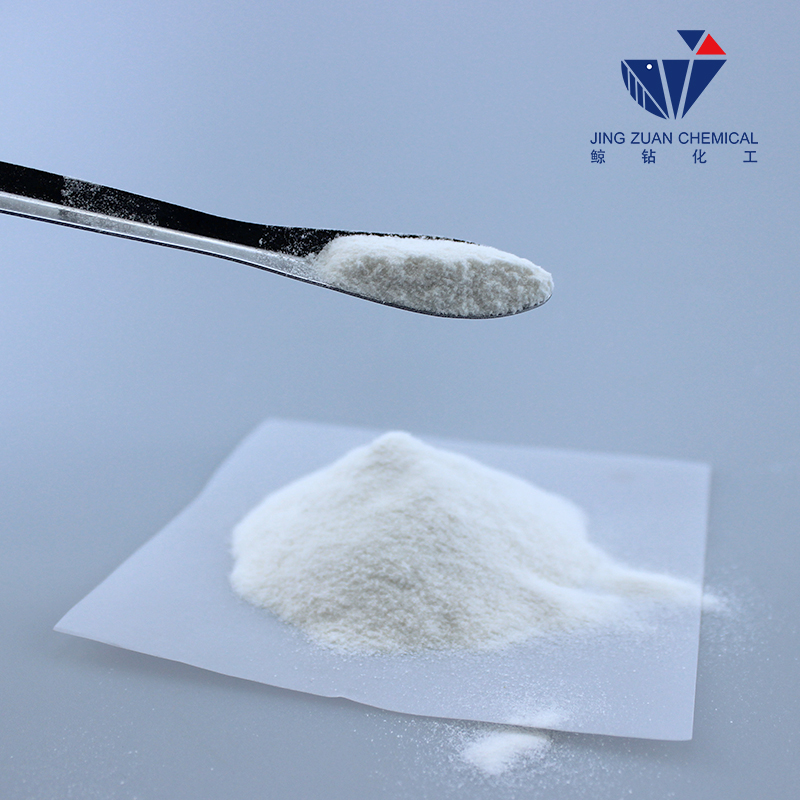
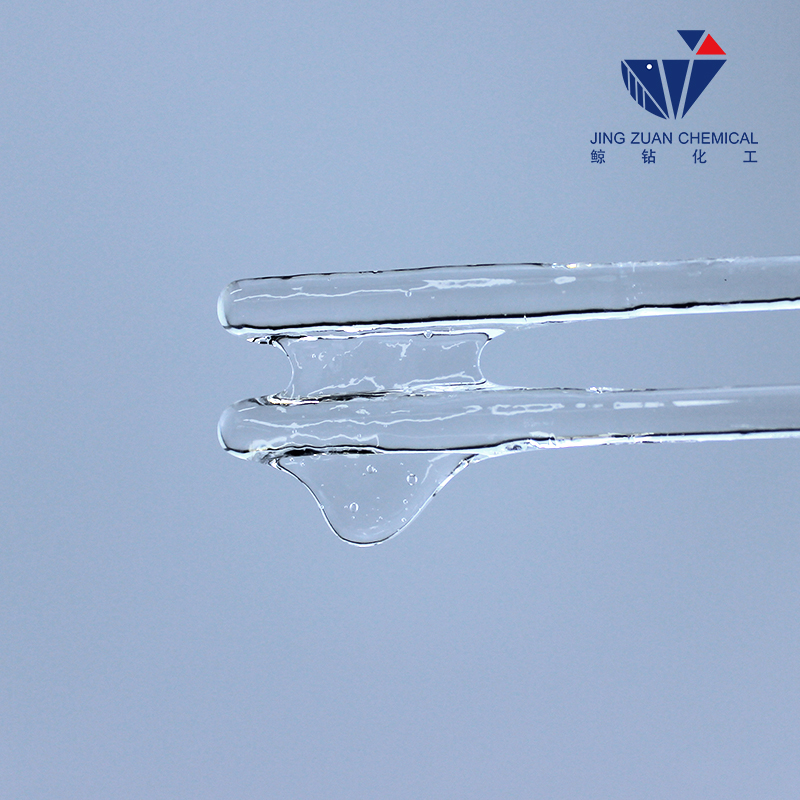
In simple terms, hydroxyethyl cellulose is a non-ionic, water-soluble polymer derived from cellulose. It serves as a thickening, binding, and emulsifying agent, widely used in products such as shampoos, paints, adhesives, and even oil drilling fluids.
This cellulose derivative bridges technical and humanitarian needs—improving product stability to enhance user experience and efficiency, which, in some cases, supports critical industries like pharmaceuticals or clean water treatment.
Key Factors When Considering Hydroxyethyl Cellulose
1. Purity & Viscosity
Purity affects everything from product consistency to shelf life. Viscosity grades span from low to high, influencing how thick or fluid the end product feels. Selecting the right grade means understanding the end use deeply—whether it’s a lightweight lotion or a heavy-duty construction sealant.
2. Biodegradability and Environmental Impact
More companies are prioritizing green chemistry. Hydroxyethyl cellulose usually scores well, being plant-derived and biodegradable. But remember, sourcing and processing vary, which can impact its environmental footprint.
3. Compatibility
This additive works best when compatible with other ingredients, including surfactants, salts, and preservatives. Narrowing down suppliers who test systematically for compatibility saves headaches later on.
4. Cost Efficiency
Price points depend on grade and supplier scale. Sometimes paying a touch more for consistency and certifications is worth it—especially in pharmaceutical or food-grade applications.
Typical Specifications for Hydroxyethyl Cellulose
| Specification | Range/Value | Comment |
|---|---|---|
| Moisture Content | 5% max | Affects handling and dosage |
| Viscosity (2% in H2O at 20°C) | 1000–200,000 mPa·s | Determines thickness level |
| pH Value (1% Solution) | 5 – 8 | Safe for skin and sensitive products |
| Appearance | White to off-white powder | Consistency for formulation |
Mini takeaway: Understanding these specs can help you pick the right hydroxyethyl cellulose for your application, avoiding last-minute reformulations or quality headaches.
Comparing Hydroxyethyl Cellulose Vendors
| Vendor | Certification | Price Range | Delivery Options | Sustainability Focus |
|---|---|---|---|---|
| CNJZ Chemical | ISO 9001, REACH | $$ | Global shipping + local warehouses | High – eco-friendly sourcing |
| Sigma-Aldrich | GMP Certified | $$$ | Worldwide express | Medium |
| Ashland Inc. | ISO 14001 | $$$ | Direct shipments | Medium-High |
Mini takeaway: When choosing where to buy hydroxyethyl cellulose, vendor certifications and sustainability efforts matter just as much as price and delivery speed.
Applications Across Industries and Regions
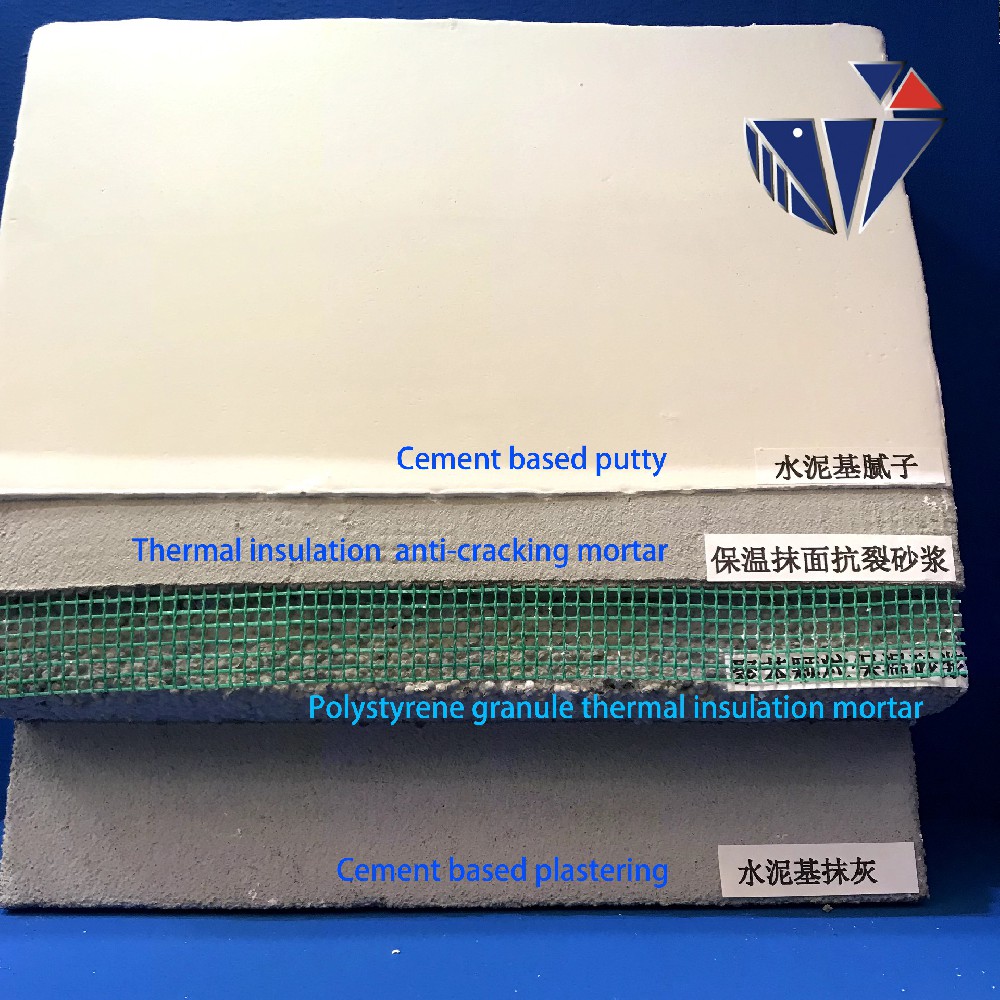
HEC’s versatility shines globally. In Asia, it boosts cosmetics and personal care. In North America and Europe, it’s vital for environmentally friendly paints and construction materials. Humanitarian agencies use it to stabilize gels for wound care and hydration in remote locations.
For instance, during post-disaster relief in the Philippines, hydroxyethyl cellulose-based products helped produce thickened water-treatment gels, improving administration and safety. Such examples highlight its quiet but vital role.
Benefits and Long-Term Value
- Cost-Effective: Reduces formulation costs by improving stability and texture.
- Sustainable: Plant-based origin supports green chemistry initiatives.
- Reliable Quality: Proven track record across industries with low toxicity.
- Safety and Trust: Enhances product safety, which ultimately protects consumers and brand reputation.
Looking Forward: Trends and Innovations
We’re seeing rising demand for pharmaceutical-grade, low-impurity hydroxyethyl cellulose and grades compatible with bio-based plastics. Innovations include combining HEC with natural antimicrobial agents, or tailoring viscosity with digital formulation tools—a neat example of how chemistry and tech are merging.
Common Challenges and Solutions
Sometimes, variability in raw materials leads to inconsistent product batches, frustrating formulators. Partnering with suppliers offering analytical transparency and support means you’re less likely to face nasty surprises. Sustainability concerns, though real, are being addressed through certifications and improved agricultural practices on supplier farms.
FAQ: Where to Buy Hydroxyethyl Cellulose
- Q: How can I verify the purity of hydroxyethyl cellulose before purchase?
A: Request certificates of analysis and third-party lab reports. Reliable suppliers like CNJZ Chemical provide batch-specific documentation to ensure compliance. - Q: Are there eco-friendly hydroxyethyl cellulose options?
A: Yes, many vendors now source cellulose from sustainably managed forests and offer biodegradable grades certified for environmental compliance. - Q: What typical lead times should I expect ordering HEC in bulk?
A: Standard lead times range from 2 to 6 weeks depending on stock and shipping. Establish good relationships with suppliers to maintain priority. - Q: Can hydroxyethyl cellulose be used in gluten-free food products?
A: Absolutely. HEC is gluten-free and widely used as a stabilizer and thickener in many gluten-free formulations. - Q: Where can I find more information or place orders safely?
A: Visit trusted vendors like CNJZ Chemical which specialize in quality-certified hydroxyethyl cellulose and offer safe international shipping.
Conclusion: Making Informed Choices
Choosing where to buy hydroxyethyl cellulose isn’t a trivial detail in manufacturing or R&D—it shapes product quality, sustainability credentials, and ultimately customer satisfaction. By prioritizing certified suppliers with transparent quality controls and sustainable practices, companies can stay agile in today’s market challenges and meet rising consumer expectations.
For reliable sourcing and expert advice, visit our site and explore comprehensive options tailored to your needs.
It’s funny how something as simple as a thickening agent can connect dots across industries, continents, and even humanitarian efforts. This little polymer really ties the world together—one gram at a time.
References
-
Understanding Hydroxypropyl Methyl Cellulose MSDS Safety and Compliance
NewsApr.16,2026
-
Understanding the Hydroxypropyl Methyl Cellulose HS Code for Global Trade
NewsApr.09,2026
-
Comprehensive Guide to Hydroxypropyl Methyl Cellulose CAS Number and Applications
NewsApr.07,2026
-
Comprehensive Guide to Hydroxypropyl Methyl Cellulose cas no and its Diverse Applications
NewsApr.04,2026
-
Comprehensive Guide to Hydroxypropyl Methyl Cellulose Manufacturers and Applications
NewsMar.31,2026
-
Understanding Hydroxypropyl Methyl Cellulose Properties And Diverse Applications
NewsMar.28,2026