
Dec . 14, 2025 03:00 Back to list
What is HPMC Gelation Temperature and Why It Matters Globally | CNJZ Chemical
Understanding HPMC Gelation Temperature: Why It Matters Globally
Hydroxypropyl methylcellulose, or HPMC, is a fascinating polymer, widely known for its unique gelation behavior. Specifically, the hpmc gelation temperature — the temperature at which this material transitions from liquid to gel — is a key property influencing countless industrial applications worldwide. You might wonder why this matters beyond just the lab or factory floor. Well, understanding and controlling this gelation point can revolutionize everything from construction materials to pharmaceuticals, even addressing some urgent humanitarian and environmental issues.
Globally, as industries strive to innovate with sustainable materials, knowing exactly how and when HPMC gels helps manufacturers design more efficient products, cut waste, and improve safety. For example, in regions with extreme climates or disaster-prone areas, materials that gel at predictable temperatures ensure stability and performance where it counts the most.
Setting the Stage: The Global Context for HPMC Gelation Temperature
From sprawling metropolitan construction projects in Asia to remote healthcare solutions in Africa, HPMC gelation temperature plays a surprisingly pivotal role. According to ISO standards on cellulose derivatives, consistent gelation contributes to material reliability under variable environmental stress. Moreover, the United Nations Sustainable Development Goals emphasize innovative infrastructure and resilient industrial practices, where materials like HPMC feature prominently.
That said, industries face challenges like adapting formulations to different climates and scales. The gelation temperature can vary based on factors such as polymer grade, moisture content, and additives — making quality control a bit of an art and science combo. Many engineers I know mention that mastering this temperature range is crucial to avoid failures, defects, or weak points, especially in critical applications.
What Exactly Is HPMC Gelation Temperature?
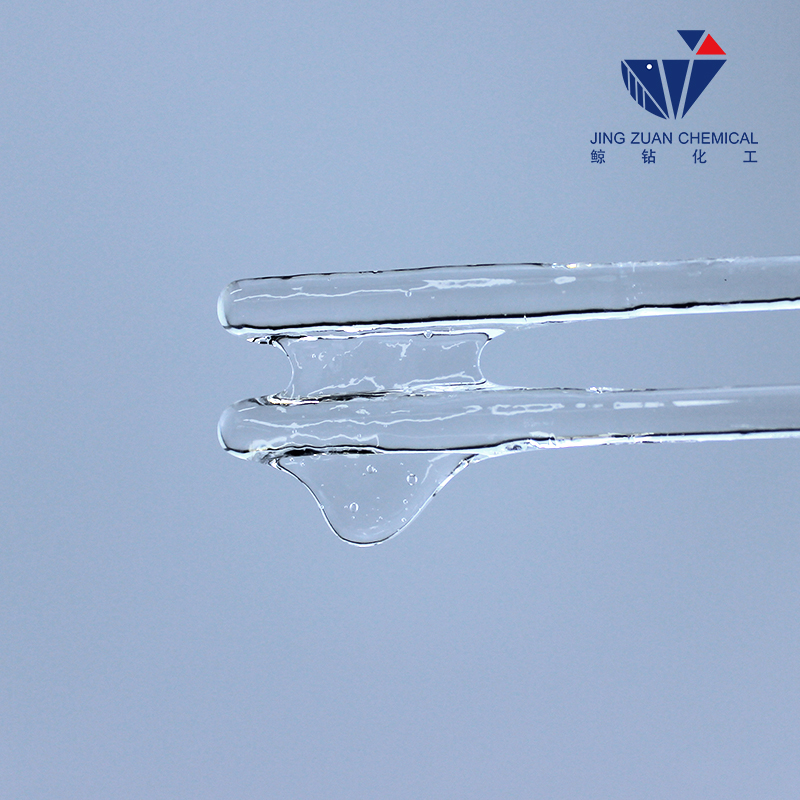
To put it plainly: the hpmc gelation temperature is the point at which HPMC dissolved in water shifts from a fluid to a semi-solid gel state as it’s heated. This happens because the polymer chains, which float freely at lower temperatures, start associating as temperature rises, thickening the mixture till it gels.
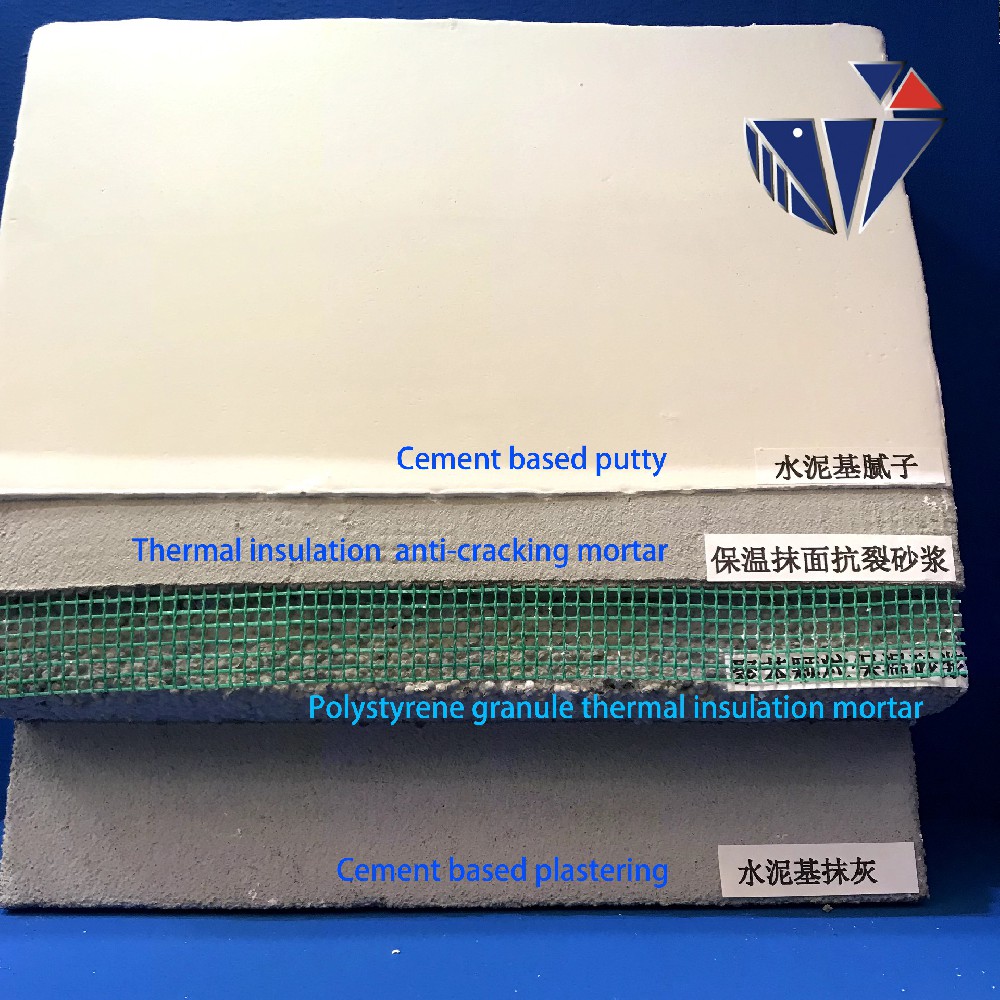
This property is hugely important when using HPMC as a binder, thickener, or stabilizer. For example, in construction mortars, it helps prevent sagging before the mixture sets, and in pharmaceutical creams, it controls consistency and release.
Interestingly, HPMC’s gelation is reversible — cool it back down, and it melts again. This thermoreversible gelation is what makes it so versatile across industries with varying needs.
Key Aspects That Affect Gelation Temperature
1. Polymer Viscosity and Substitution Degree
Different HPMC grades have varied viscosity and methyl or hydroxypropyl substitutions on the cellulose backbone, shifting gelation by several degrees. Generally, higher viscosity means gelation at a higher temperature.
2. Concentration in Solution
Simply put, thicker mixtures gel earlier. A 2% HPMC solution gels at a higher temperature than a 1%, impacting formulation decisions based on the desired application.
3. Presence of Additives
Salt, sugars, or other compounds can either raise or depress the gelation point. It's a subtle chemistry dance that quality control teams keep a close eye on globally.
4. Environmental Conditions
Ambient humidity and temperature fluctuations — common in field situations — can influence gel time and durability. That's why labs simulate different climates for testing.
5. Heating Rate
Rapid heating vs. slow warming can also shift gelation slightly, which might not matter in a factory but could have consequences in field applications.
Mini Takeaway:
Understanding these factors gives industries a practical advantage — they can tailor HPMC formulations for specific climates, needs, and constraints. It’s a fine balance that, when mastered, leads to safer, more reliable products.
Global Real-World Applications of HPMC Gelation Temperature
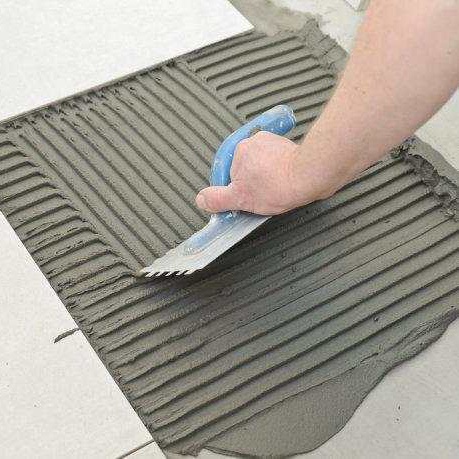
Let’s get concrete. In construction, especially for tile adhesives and cement mortars, hpmc gelation temperature ensures the mixture remains workable until applied, then gels at the right moment for maximum adhesion. European and Asian manufacturers commonly specify gelation ranges to fit regional temperate zones.
In pharmaceuticals, where HPMC is used as a controlled-release agent in tablets, the gelation temperature affects how medicines dissolve, very literally saving lives with precise timing. This finds priority in emerging markets where shelf stability under warm climates is vital.
Disaster relief operations, such as in the wake of earthquakes or floods, utilize HPMC-based materials (think quick-setting mortars or sealants) that activate reliably with heat to provide shelter or infrastructure reinforcement.
Even in personal care products like shampoos and lotions, knowing the gelation temperature prevents a product from becoming unusable under heat stress, which can happen during shipping across tropical regions.
Application Snapshot: Regions & Industries
- Asia-Pacific: Major construction boom demands precise material characteristics.
- Middle East & Africa: Extreme heat locations require adapted gel properties.
- Pharma globally: Consistent drug release formulations across climates.
- Disaster-prone zones: Quick response materials with reliable gelation profiles.
Mini Takeaway:
No matter where you are, hpmc gelation temperature is more than jargon. It’s the reason your materials perform as expected even in unpredictable real-world conditions.
Advantages and Long-Term Value of Getting HPMC Gelation Temperature Right
The benefits are tangible — manufacturers save money by minimizing waste and rejects, in part because their products behave predictably from batch to batch. Sustainability is enhanced because less faulty product means fewer discarded materials. From a social perspective, using materials tuned to gel at the right temperature improves worker safety by reducing premature setting or spills.
There’s also an emotional side: a builder using a product that gelled too early might lose time and confidence, while an NGO delivering medicine that dissolves too quickly risks patients' trust. HPMC’s dependable gelation characteristics instill trust — in innovation, safety, and ultimately, in human dignity.
| Parameter | Range / Value | Notes |
|---|---|---|
| Gelation Temperature | 65 - 78 °C | Depends on grade & solution concentration |
| Viscosity (2% solution) | 5,000 - 30,000 mPa·s | Higher viscosity raises gel temp |
| pH Stability Range | 4.0 - 11.0 | Maintains gel properties in most applications |
| Solubility | Cold water soluble | Enables easy preparation |
Comparing Leading HPMC Suppliers: What Sets Them Apart?
| Supplier | Gelation Temp Range (°C) | Viscosity Range (mPa·s) | Global Reach | Sustainability Initiatives |
|---|---|---|---|---|
| ABC Polymers | 65 - 72 | 5,000 - 20,000 | Asia, Europe, Americas | Eco-friendly packaging, waste reduction |
| Global Cellulose Inc. | 70 - 78 | 10,000 - 30,000 | Worldwide | Renewable feedstock sourcing |
| SunPol Chemicals | 66 - 75 | 7,000 - 25,000 | Asia, Middle East | Carbon-neutral production goals |
The Future of HPMC Gelation Temperature: Trends and Innovations
Looking ahead, the race towards greener, smarter materials means that HPMC research is far from boring. Innovations in molecular design promise more precise control over gelation temperature, reducing energy needs during production. Meanwhile, digital monitoring tools enable real-time tracking of gelation behavior on the factory floor, minimizing downtime.
Plus, there’s growing interest in blending HPMC with bio-based additives to improve environmental footprints — aligning with global sustainability goals. Automation in dosing and mixing now ensures consistent gel formation, which engineers say cuts defects dramatically.
Addressing the Challenges Head-On
Of course, it’s not all smooth sailing. Variability in raw materials, inconsistent heating conditions in the field, and complexities in scaling formulations to different batch sizes can throw a wrench in the works. But knowledge sharing, better testing protocols, and use of advanced rheometers help mitigate these risks.
Some suppliers are experimenting with customizable HPMC grades to tackle location-specific needs, which sounds promising. The bottom line: staying flexible and informed is the secret sauce.
FAQ: Your Top Questions About HPMC Gelation Temperature
- What affects the speed of HPMC gelation during heating?
- The concentration of HPMC, solution viscosity, heating rate, and additives like salts all influence gelation speed. Faster heating can shift gelation to a slightly higher temperature, while additives may either promote or delay gel formation.
- Can I adjust the gelation temperature for hot climates?
- Yes, by selecting HPMC grades with higher or lower molecular weight or altering concentration, you can tailor gelation temperature ranges suitable for different environments. Consulting with your supplier helps find the right product match.
- Is the gelation reversible if temperatures drop?
- Indeed, the gelation of HPMC is reversible; cooling the material below its gelation temperature typically returns it to a liquid state without loss of properties, which is valuable for reprocessing and use flexibility.
- How does gelation temperature impact pharmaceutical formulations?
- It affects drug release rates and stability. Gelation at an inappropriate temperature might cause premature release or reduced shelf-life. Hence, pharma manufacturers measure and control this rigorously.
- What’s the best way to test HPMC gelation temperature?
- Using rheometers or viscometers under controlled heating cycles is standard practice. These instruments track viscosity changes with temperature, pinpointing gelation onset and peak.
Conclusion: The Last Word on HPMC Gelation Temperature
In a nutshell, hpmc gelation temperature is more than just a material science curiosity — it’s a cornerstone of successful applications across sectors and continents. From construction to healthcare, understanding this property saves money, enhances sustainability, and supports global innovation. If you’re interested in diving deeper or customizing your HPMC solutions, visit our website and explore the possibilities.
References
-
Understanding the Hydroxypropyl Methyl Cellulose HS Code for Global Trade
NewsApr.09,2026
-
Comprehensive Guide to Hydroxypropyl Methyl Cellulose CAS Number and Applications
NewsApr.07,2026
-
Comprehensive Guide to Hydroxypropyl Methyl Cellulose cas no and its Diverse Applications
NewsApr.04,2026
-
Comprehensive Guide to Hydroxypropyl Methyl Cellulose Manufacturers and Applications
NewsMar.31,2026
-
Understanding Hydroxypropyl Methyl Cellulose Properties And Diverse Applications
NewsMar.28,2026
-
Exploring the Diverse Uses of Hydroxypropyl Methylcellulose Across Industries
NewsMar.26,2026